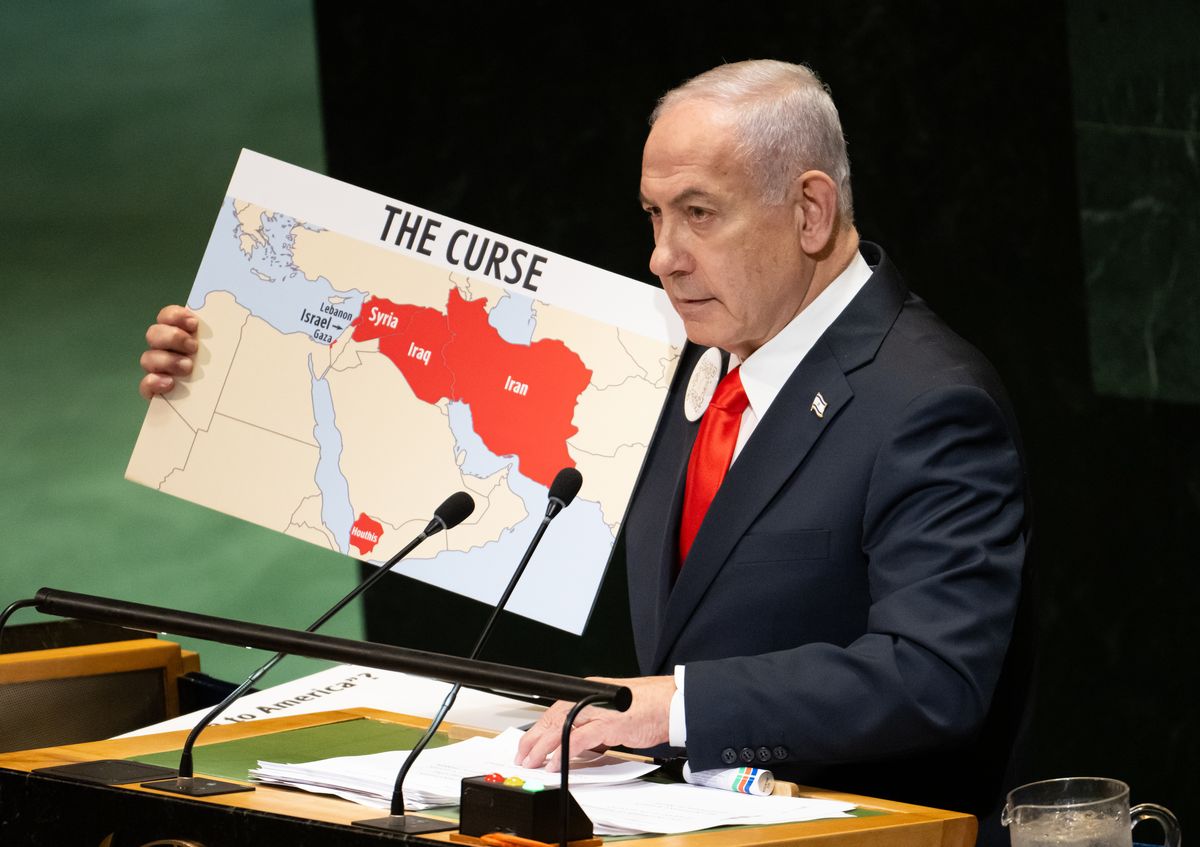
The political landscape inside Jerusalem has reached a volatile boiling point, with Prime Minister Benjamin Netanyahu scheduling an extraordinary national address for Tuesday evening at 20:00 to address a deeply anxious Israeli public for the first time since the finalization of the White House peace treaty with Iran. The scheduled broadcast arrives as vast sectors of the domestic population and security establishment openly condemn the newly minted diplomatic framework as a total surrender agreement that compromises long term national survival. Compounding the political stakes for the current government, former Prime Minister Naftali Bennett has simultaneously organized a rival wartime address, setting the stage for a dramatic public showdown regarding the preservation of national security lines in the Middle East.
The sudden domestic political mobilization follows major structural updates from Washington regarding the execution of the diplomatic text, which was initially facilitated by Pakistani Prime Minister Shehbaz Sharif. United States Vice President J.D. Vance officially confirmed that American and Iranian authorities have formally executed digital signatures upon the preliminary memorandum, establishing the groundwork for a formal global assembly within Switzerland this coming Friday. The leaked parameters of the agreement reveal a sweeping framework that mandates a sixty day extension of the current ceasefire, the complete reopening of the Strait of Hormuz, and the systematic removal of underwater naval mines. In return for these concessions, the White House has committed to a phased lifting of the American maritime blockade and a substantial easing of international restrictions targeting Iranian crude oil exports.
However, the American executive branch is simultaneously projecting an element of strategic ambiguity, signaling that the sweeping diplomatic arrangement remains remarkably fragile and susceptible to a sudden collapse. Vance explicitly clarified to congressional reporters that it remains entirely uncertain whether the commander in chief will grant the document his ultimate administrative authorization, noting that it is hard to say when or if the president is going to sign. The vice president elaborated that specialized foreign policy teams are still actively debating back and forth on several specific drafting clauses, indicating that the framework could still disintegrate before the scheduled European summit.
This strategic uncertainty matches the severe geopolitical friction currently unfolding between Jerusalem and the White House, which reached a peak following an unexpected Israeli military operation in Lebanon. Under the direct, personal authorization of Netanyahu and Defense Minister Israel Katz, the Israeli Air Force executed a heavy, targeted aerial bombardment within the Dahiya district of Beirut. The aggressive maneuver was designed to push back against intense domestic criticism over the weekend, during which political rivals asserted that Netanyahu had completely lost his personal influence over Trump and failed to neutralize the evolving atomic deal.
The targeted aerial operation has triggered immediate diplomatic complications, as the underlying treaty framework text explicitly covers the Lebanese theater, an absolute structural requirement enforced by the Iranian delegation throughout the Qatari mediated talks. Netanyahu utilized an urgent, late night telephone consultation with his former ally in the White House to clarify that the sovereign defense establishment in Jerusalem refuses to be bound by the Lebanese components of the treaty. The prime minister explicitly warned American planners that Israel is not committed to the Lebanese clause, and will continue to defend itself exactly as it has done up to this point, setting up an immediate operational contradiction that will dominate tonight's critical national address.