taco trump

Saudi Crown Prince Persuades Trump to Cancel Massive Iran Energy Strike

President halts planned attack on Iranian infrastructure following Saudi Arabia's appeal; conditions cancellation on rapid progress toward nuclear and Strait of Hormuz agreement.

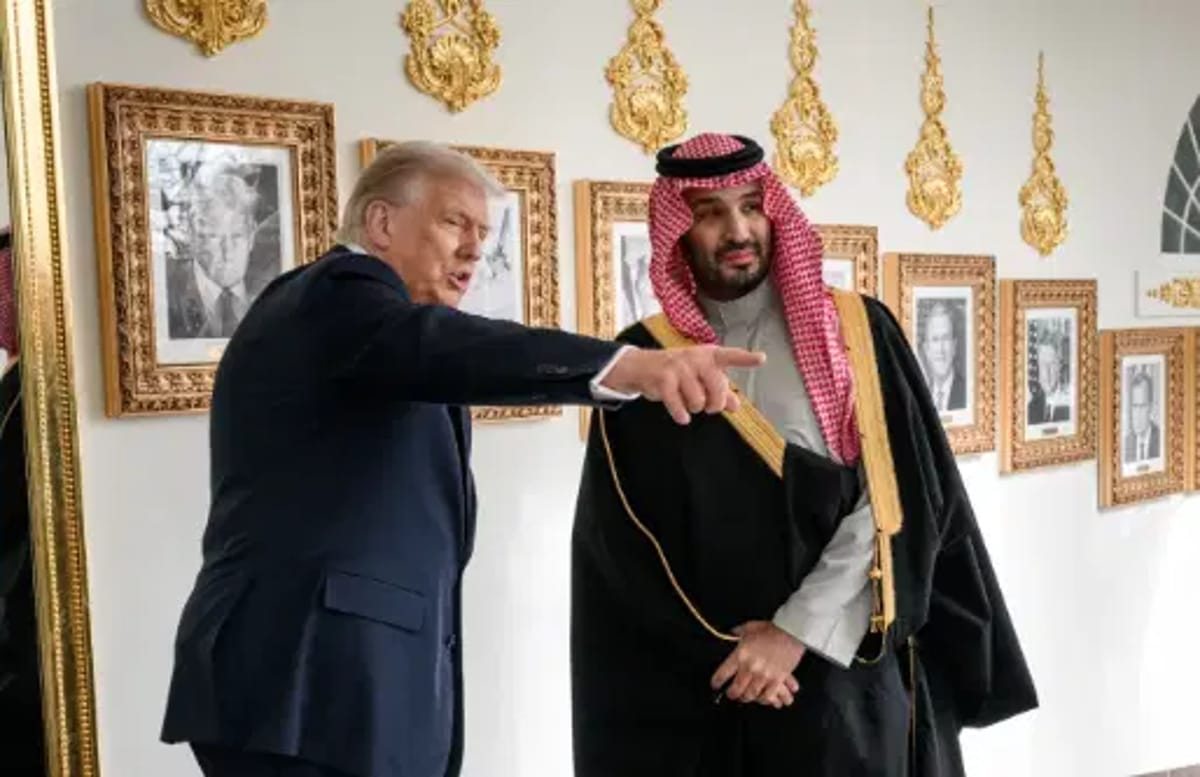
Trump and Bin Salman

President Donald Trump announced late Saturday he was canceling a planned strike on Iran's energy infrastructure after receiving pressure from Saudi Arabia's Crown Prince Mohammed bin Salman and other regional powers seeking to halt escalation in the five-month war.

Trump had been seriously considering attacking Iranian energy targets in response to Iran's missile strike on a U.S. base in Jordan and its continued disruption of shipping through the Strait of Hormuz. Saudi Crown Prince Mohammed bin Salman spoke to President Trump on Saturday and expressed concern over his plans for massive new strikes against Iran, according to reports from multiple U.S. officials and people familiar with the call.

Trump announced the reversal in a social media post late Saturday evening, stating he had agreed to cancel the planned attack "subject to being able to rapidly make a DEAL." According to Trump, the emerging deal "would include the Immediate, Complete, and Total OPENING OF THE HORMUZ STRAIT, and an end to Iran's nuclear threat."
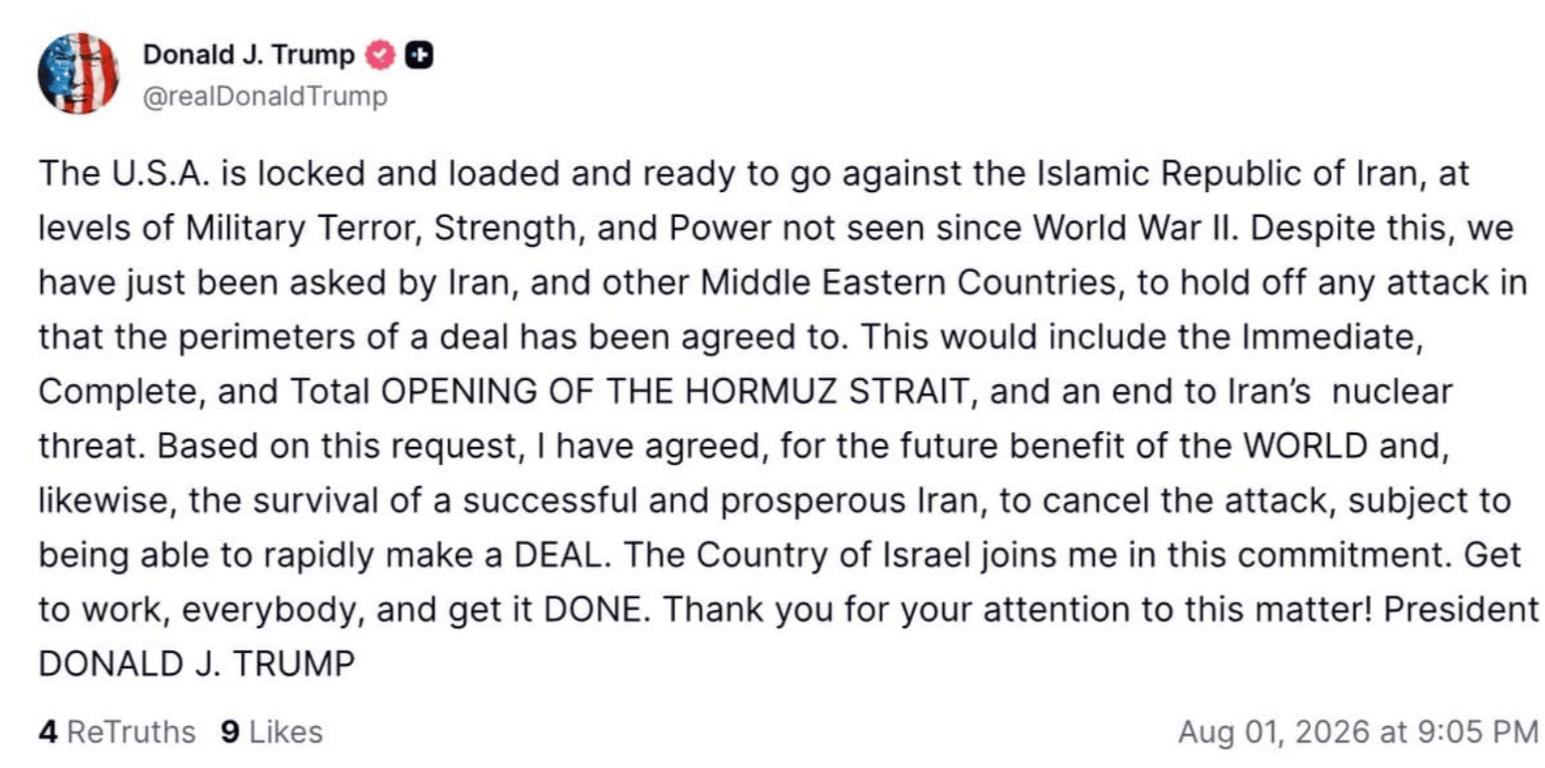

Trump explains why he canceled Iran strikes
Trump explains why he canceled Iran strikes (Photo: Triuth Social)

The Crown Prince's intervention proved decisive. During their conversation, bin Salman reportedly expressed concern about the potential consequences and urged Trump to work to ease tensions. Trump's decision to shelve the strike represents another pause in the war's cycle of escalation and diplomatic attempts, though officials stressed the halt remains conditional on swift negotiations.

Trump said he had agreed to cancel the attack, "subject to being able to rapidly make a DEAL," and that Israel had agreed to join him in the commitment. The president framed the cancellation as opening a window for regional de-escalation, telling allies to "Get to work, everybody, and get it DONE."

The announcement followed intensive regional diplomatic efforts. Qatar, the United Arab Emirates, Turkey and Pakistan have also been engaging with Washington and Tehran in an effort to prevent further deterioration. Qatari mediators held separate talks Saturday with Iranian Foreign Minister Abbas Araghchi, White House envoy Steve Witkoff, and Omani officials focused on reopening the Strait of Hormuz—a critical shipping chokepoint whose blockade has threatened global energy markets.

Saudi Arabia's influence over Trump's Iran policy at critical moments has repeatedly shaped the conflict's trajectory. The kingdom faces acute pressure from both economic constraints tied to Hormuz disruption and regional security concerns. A strike on Iranian energy infrastructure risked triggering Iranian retaliation against Gulf oil fields and U.S.-aligned infrastructure, forcing Riyadh to balance its alliance with Washington against the imperative to contain regional escalation.

Iranian Foreign Minister Abbas Araghchi warned that any further U.S. or Israeli military action would trigger a "decisive and proportionate response" from Iranian armed forces. The threat underscored Tehran's readiness to resume the conflict if negotiations collapse, maintaining the fragile conditional pause that has defined the war since Khamenei's death in late February.

Ready for more?

Join our newsletter to receive updates on new articles and exclusive content.

We respect your privacy and will never share your information.

Enjoyed this article?

Yes (1)
No (0)
Follow Us:
1

Unmissable content


Loading comments...

Also of Interest