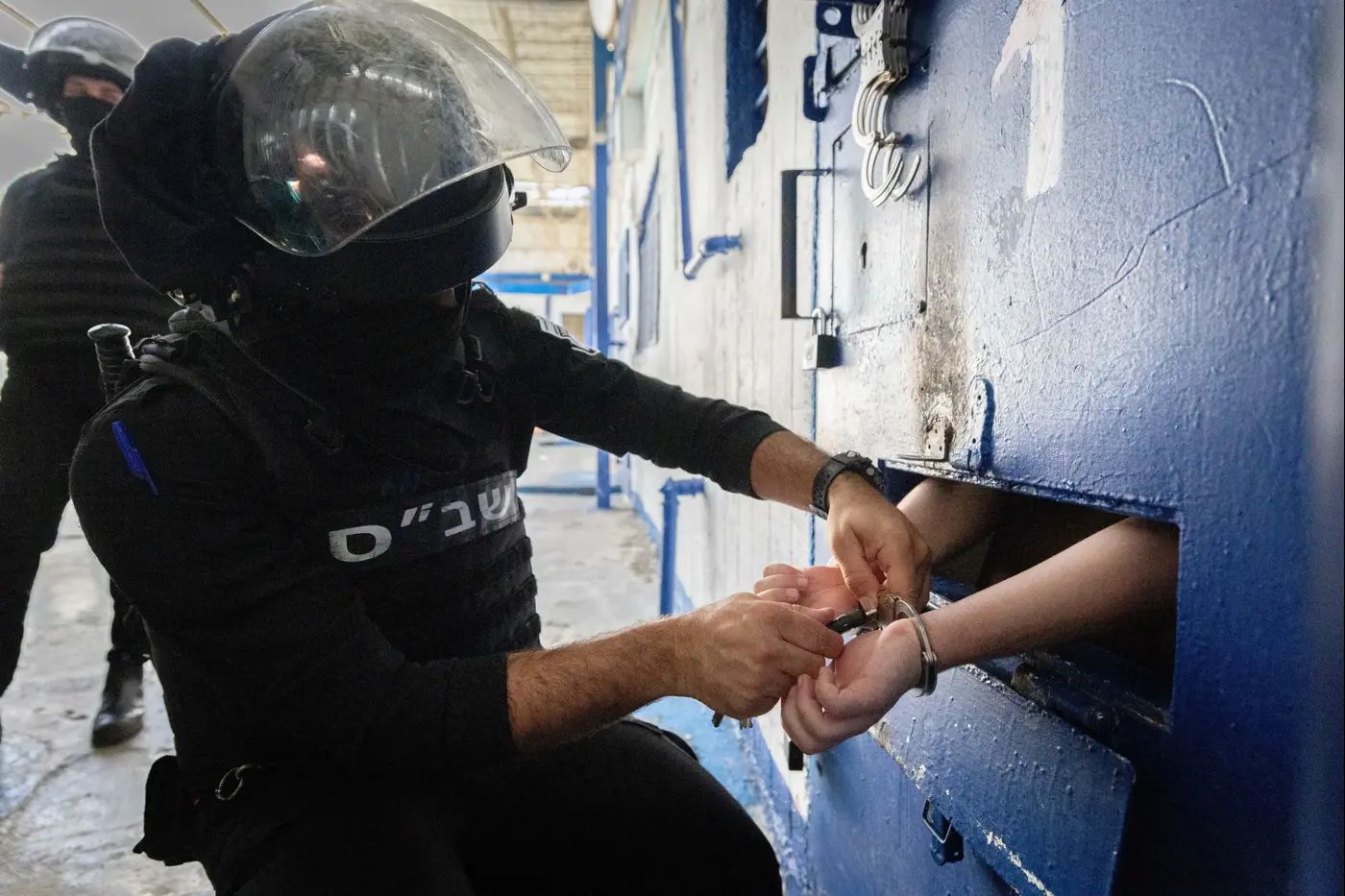
An official investigation conducted by the State Comptroller has exposed a series of systemic failures within the Israel Prison Service and the military, revealing an absolute lack of preparation for mass wartime incarceration. The comprehensive document, which was partially redacted prior to publication due to immediate national security concerns, outlines a severe operational crisis that directly impacted counter terrorism efforts during the ongoing war. The report highlights that despite the capture of thousands of hostile operatives, bureaucratic gridlock and an acute shortage of physical cells have prevented the state from executing swift judicial prosecution.
Comptroller Matanyahu Engelman directed his sharpest criticisms at the complete lack of strategic foresight demonstrated by prison officials and military planners, who failed to establish an integrated protocol for handling mass wartime detentions. This failure had immediate, severe real world consequences, culminating in the controversial release of nineteen Gazan detainees, including the director of the Shifa Hospital, due to an absolute deficit of available cells. The report notes with extreme concern that these high risk individuals, who legally met the criteria for prolonged detention due to their involvement in hostile networks, were released back to Gaza without Prime Minister Benjamin Netanyahu being briefed or giving his authorization.
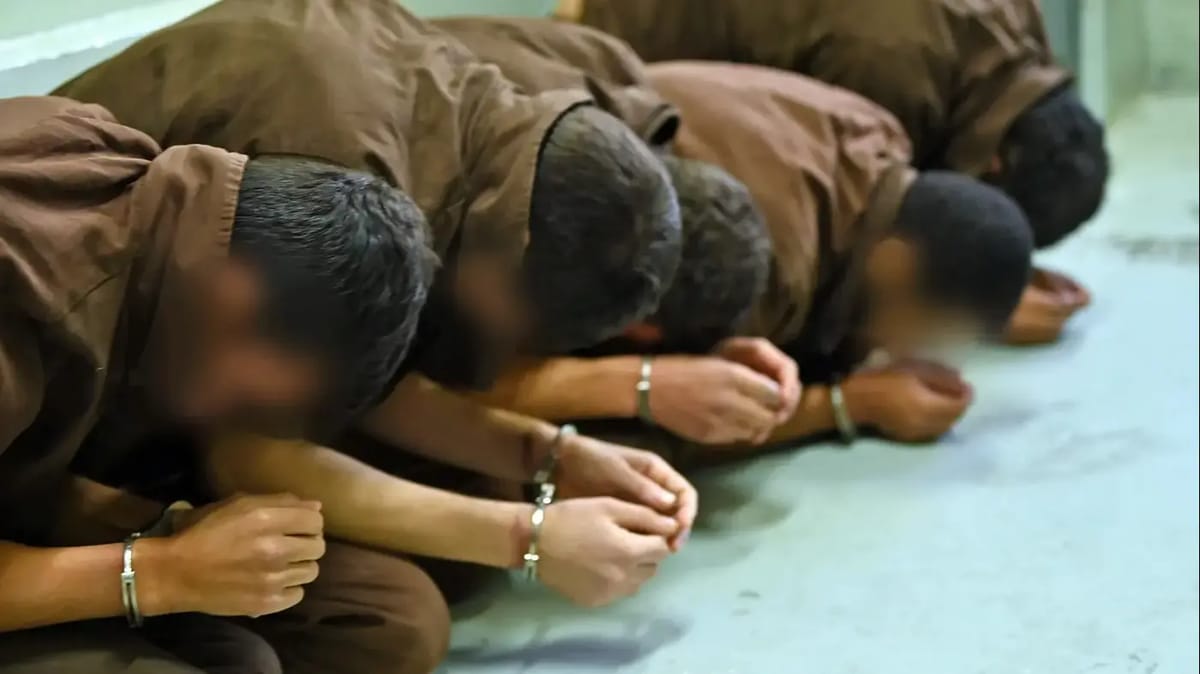
According to statistical data compiled by the comptroller’s office during an audit running from August 2024 through early 2026, the total population of security inmates inside state facilities experienced an unprecedented ninety two percent surge. The number of incarcerated operatives skyrocketed from approximately five thousand two hundred prior to the outbreak of hostilities to more than ten thousand by early 2025. This massive influx placed immense physical strain on correctional personnel, escalated the danger of internal prison riots, and severely degraded the ability of intelligence agencies to execute critical counter terrorism interrogations.
The report traced the root of the crisis back to a historic failure to coordinate between the military and civil prison networks, noting that neither body had conducted a joint staff review to manage mass wartime detentions since a mandatory protocol was established in 2006. The prison service's official emergency plans, updated as recently as 2021, relied entirely on a policy of hyper crowding existing facilities rather than constructing new infrastructure or allocating budgets for emergency expansion. This structural blindness left the state completely unequipped to manage the logistical realities of a prolonged multi front war.
The military spokesperson responded to the comptroller's findings by emphasizing that the political echelon had formally designated the civil prison service as the sole national incarceration authority responsible for long term detentions. The military argued that its internal regulations only mandated the creation of temporary holding facilities for initial screening and tactical intelligence gathering, rather than long term custody. However, the military noted that because civil prisons completely lacked the capacity to absorb the influx, the army was forced to spend massive resources converting field bases like Sde Teiman into long term holding centers following a series of emergency discussions managed by the National Security Council.