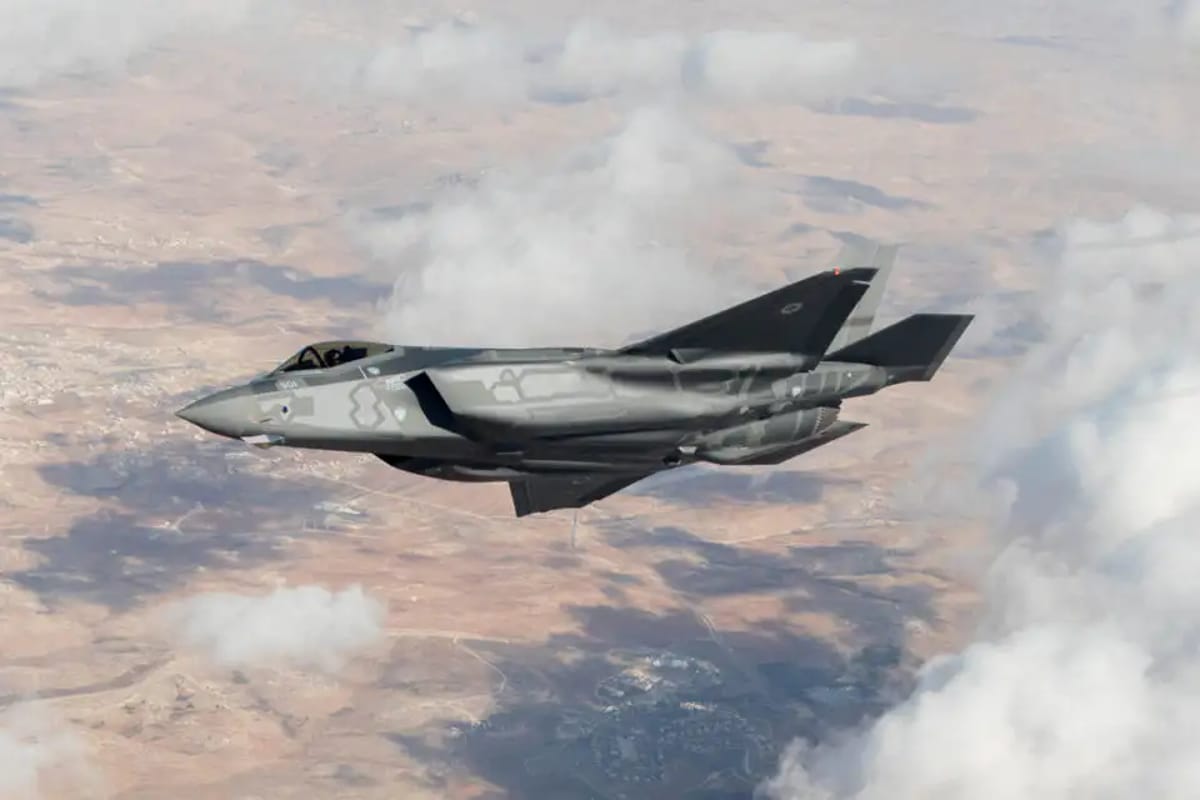
The Israeli defense establishment elevated its operational readiness to maximum levels following intelligence assessments regarding potential Iranian miscalculations or preemptive strikes. While Home Front Command directives for the general public remain unchanged, municipal authorities across the country have proactively prepared public bomb shelters. Security personnel are monitoring real time indicators, drawing on lessons from previous military campaigns, including Operations Rising Lion and Lion's Roar, as forces prepare for immediate deployment.
Internal assessments within the defense establishment indicate that maintaining the current status quo represents the preferred immediate strategy for Israel. This approach relies on an effective blockade of Iran combined with sustained US military pressure on Tehran. However, defense planners express concern that Washington may seek to avoid strategic stagnation, potentially leading to a diplomatic agreement that does not address Israel's core security requirements.
Should active war resume, Israeli defense officials advocate for a significantly more aggressive targeting strategy than that used in Operation Lion's Roar. Senior commanders maintain that any renewed campaign must encompass strikes against Iranian national infrastructure assets. Defense analysts note that expanded targeting does not guarantee regime collapse or surrender, while raising the risk of Iranian retaliation against regional energy infrastructure.
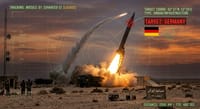
A primary concern within Jerusalem centers on an Iranian miscalculation leading to a preemptive strike against Israeli territory. Tehran leadership could calculate that initiating hostilities provides a distinct operational advantage, prompting Israeli forces to prioritize defensive readiness alongside offensive preparations. According to military correspondents reporting for Israel Hayom, senior officers emphasize that military forces are fully prepared to execute rapid operational decisions dictated by political leadership.
Regional energy markets remain vulnerable to potential escalations if Iranian forces target oil reserves in neighboring states. According to defense reporting verified by Reuters, US decision makers remain focused on preventing major disruptions to global oil supplies while evaluating long term strategic options. Ultimately, defense officials acknowledge that the trajectory of the regional war depends heavily on strategic decisions rendered by the White House.