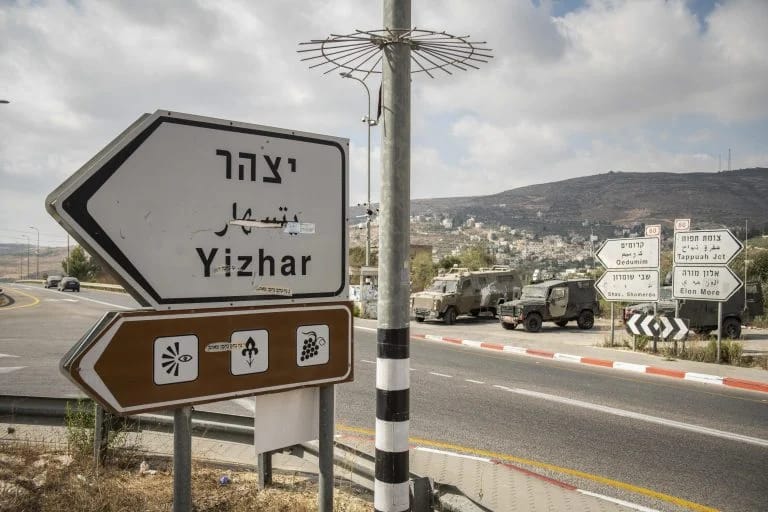
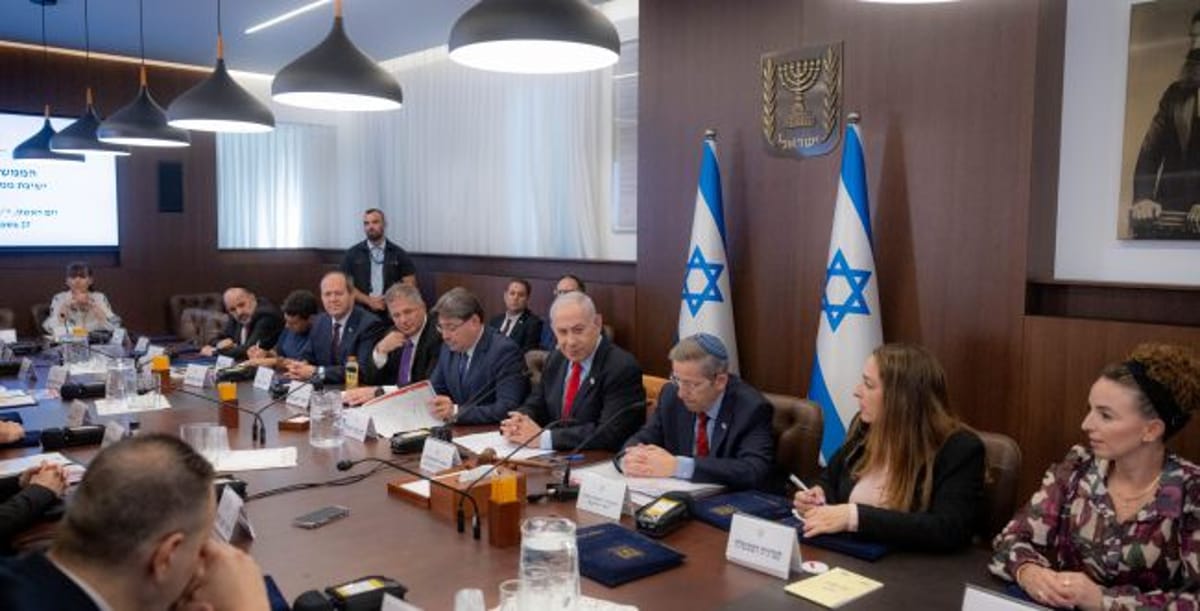
During the weekly government meeting, some of the ministers tried to find out with the senior military representative in the discussion, Major General Eliezer Toledano, what the updated policy is regarding the standby units and the deployment of weapons in the northern border settlements and in the settlements in Judea and Samaria.
In the discussion, Major General Toledano said that indeed the IDF is reducing the army's standby units program in some of the northern settlements.
To this Minister Itamar Ben-Gvir responded: "This is a terrible mistake. We in the police are establishing more and more units, we have already opened 900 of them, and you are closing such a blessed program?"
But one of the answers given by an official from the Ministry of Finance who was present at the meeting, is the high cost of paying reserve days.
Ben-Gvir: "It's a matter of human life, in any case there is no orderly transfer of the baton, you can't close standby units just like that. Let's try to transfer them to the police."
"We must arm more people"
In addition, a part of the cabinet meeting was devoted to a scenario similar to the October 7th massacre, also in the settlements of Judea and Samaria, when Minister Orit Strook asked: "Why are weapons being taken from the standby units in Judea and Samaria? It puts the residents at risk."
General Toledano: "Some of the reservists are released and some of them served in Judea and Samaria, when they are released they deposit their weapons. So there are fewer weapons in the territorial defense in Judea and Samaria. It is not possible to have reserves without limitation."
Minister Ben-Gvir: "We must coordinate that the number of weapons in Judea and Samaria does not decrease. There is no synchronization with the Ministry of Defense."