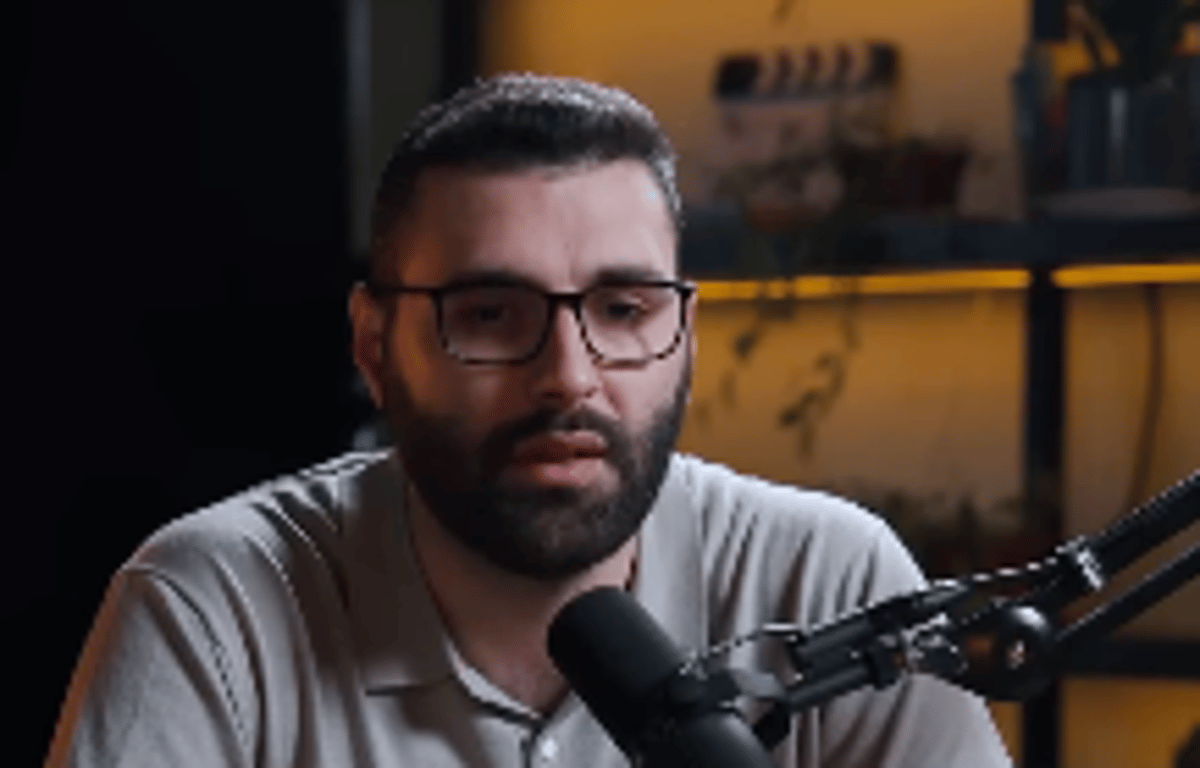
Newly translated excerpts from a lengthy Arabic-language interview with Gaza photojournalist Motaz Azaiza offer a detailed first-person account of how aid money, factional ties and self-censorship shaped life and media coverage in Gaza.
The clips, compiled and translated in a thread by the X account Max Nordau, come from Azaiza's appearance on the Taqarob Podcast earlier this month. Azaiza, whose Instagram following grew into the millions after October 7 and who was named to TIME's 100 list in 2024, was widely presented by Western outlets as an independent voice on the ground.
In the excerpts, Azaiza says many people in Gaza hoped for an escalation, because war brings the attention of international organizations and the jobs that come with it. "People only know us through war," he says.
He also describes celebrating, the night before October 7, the success of videos he had produced that helped pressure Congress to release $75 million in U.S. food aid for UNRWA. UNRWA USA has confirmed that Azaiza worked for it as a freelance content producer before the war.
Recalling the 2018 "Great March of Return" border riots, Azaiza says young men burned their own legs with hot iron rods to fake gunshot wounds and collect payments from Hamas, which had publicly offered money for deaths and injuries.
He says he was affiliated with Hamas when he was young, and later aligned himself with Fatah in order to obtain university scholarships. He also describes Palestinians being killed by other Palestinians for speaking out, including people thrown from rooftops, shot in the legs or burned, and says the practice continues.
Azaiza explains that he switched to English-language content because Arabic-speaking audiences did not bring in the same funding or attention.
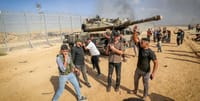
According to the thread, he also says he filmed crowds beating and spitting on bound Israeli captives on October 7 and chose not to publish the footage, and that he felt solidarity with the mob at the time. In the same interview, he downplays the Holocaust in comparison to events in Gaza.