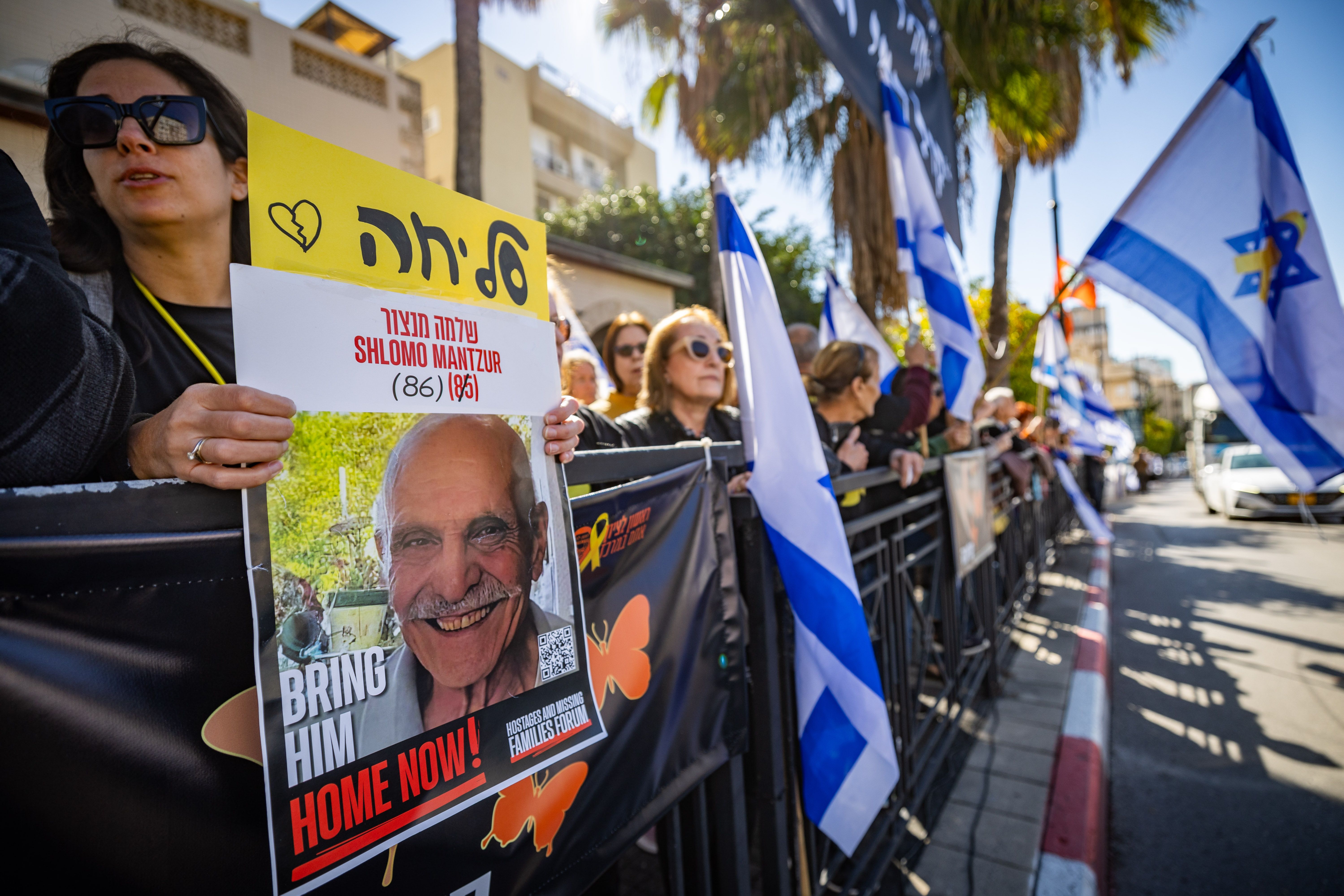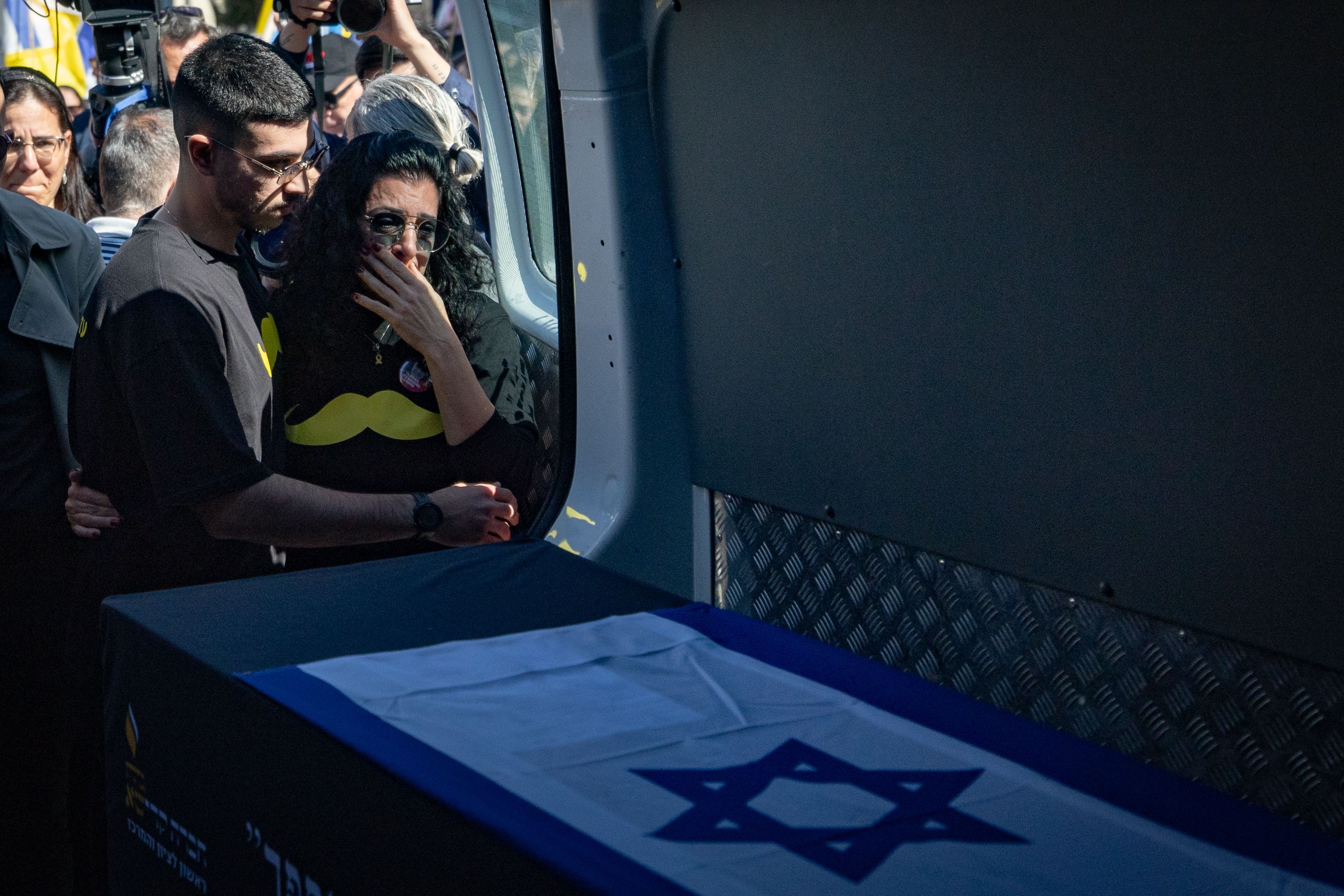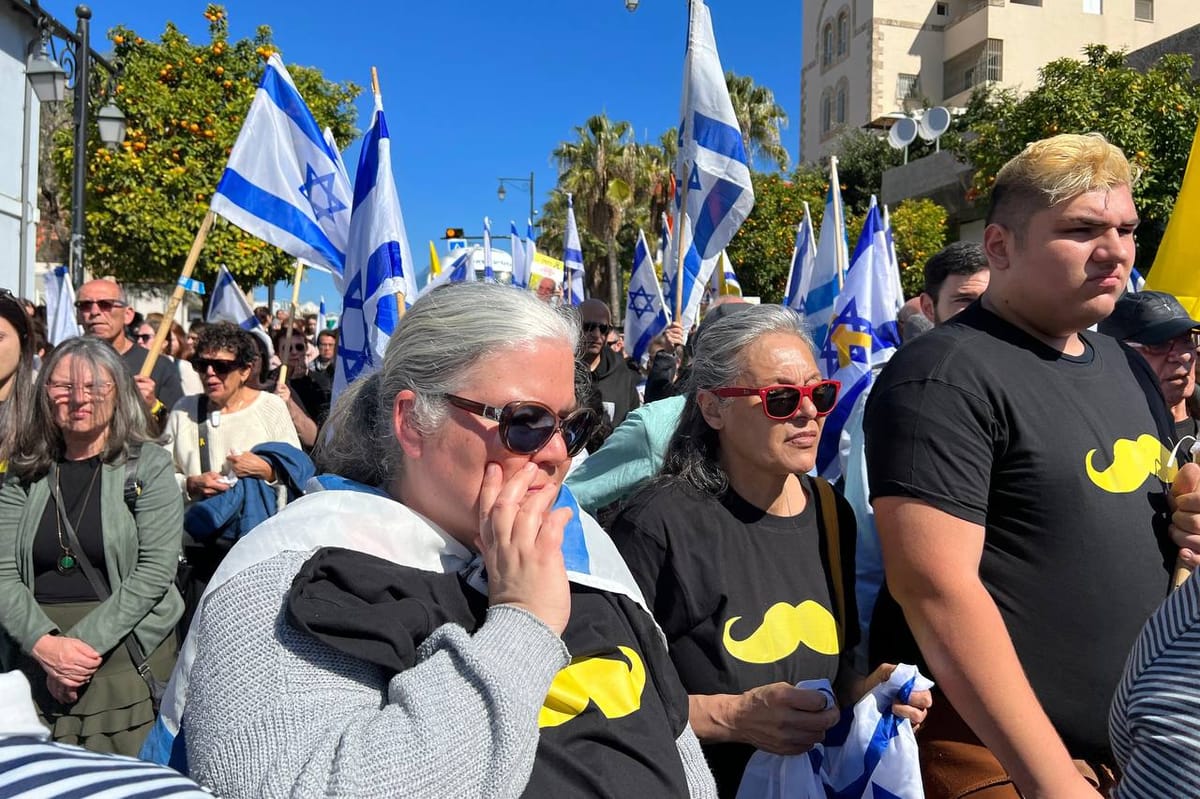
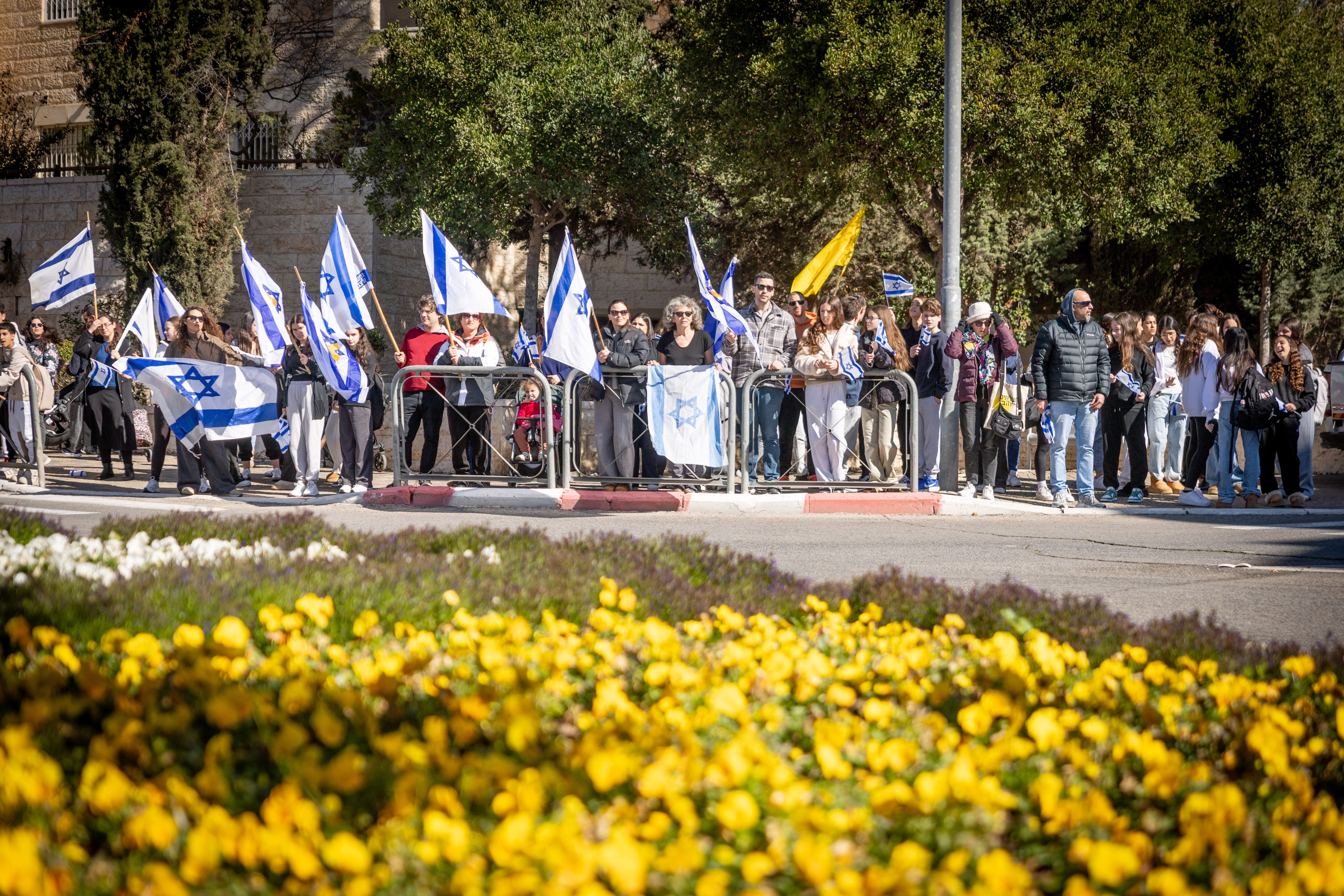
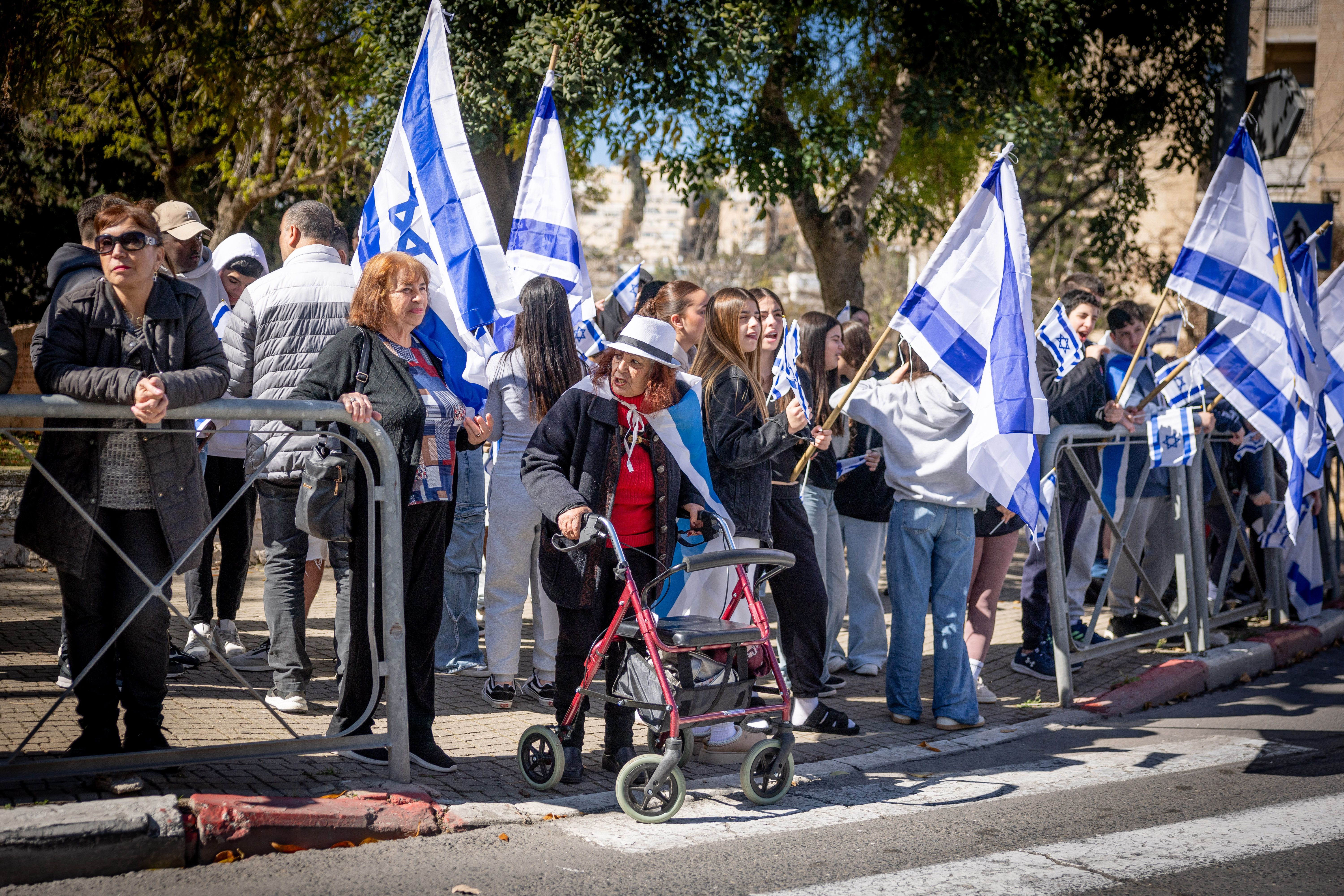
Today, Shlomo Mantzur is being laid to rest in Kibbutz Kissufim, the community he helped build and where he was taken.
Shlomo was an 86-year-old Israeli resident of Kibbutz Kissufim, near the Gaza border. Born in Baghdad, Iraq, in 1938, he survived the Farhud pogrom—a violent anti-Jewish massacre in 1941—before immigrating to Israel in 1951. He helped establish Kibbutz Kissufim, where he lived for most of his life with his wife, Mazal, raising five children and 12 grandchildren. Known for his warmth, modesty, and hands-on skills, Mantzur managed the kibbutz’s chicken coop and was a beloved community figure, often fixing toys and crafting items for his grandchildren.
On October 7, 2023, Hamas terrorists stormed Kibbutz Kissufim during their mass attack on southern Israel. Mantzur, then 85, was kidnapped from his home in his pajamas, dragged into a car, and taken to Gaza. His wife of 60 years, Mazal, narrowly escaped by hiding in a neighbor’s safe room. For over 16 months, he was thought to be the oldest of the 250 hostages taken that day, with his family and supporters holding onto hope for his survival despite his age and frail health. However, on February 11, 2025, the Israeli Defense Forces (IDF) confirmed—based on intelligence and a panel of health experts—that Mantzur had been murdered by Hamas on October 7, 2023, and his body held in Gaza. This revelation shifted him from a symbol of endurance to one of the war’s many losses.
His body was returned to Israel on February 26, 2025, as part of the first phase of a ceasefire and hostage deal with Hamas, alongside the remains of other slain hostages like Itzik Elgarat, Ohad Yahalomi, and Tsahi Idan. The Hostages and Missing Families Forum confirmed his identity the next day, marking 510 days since his abduction.
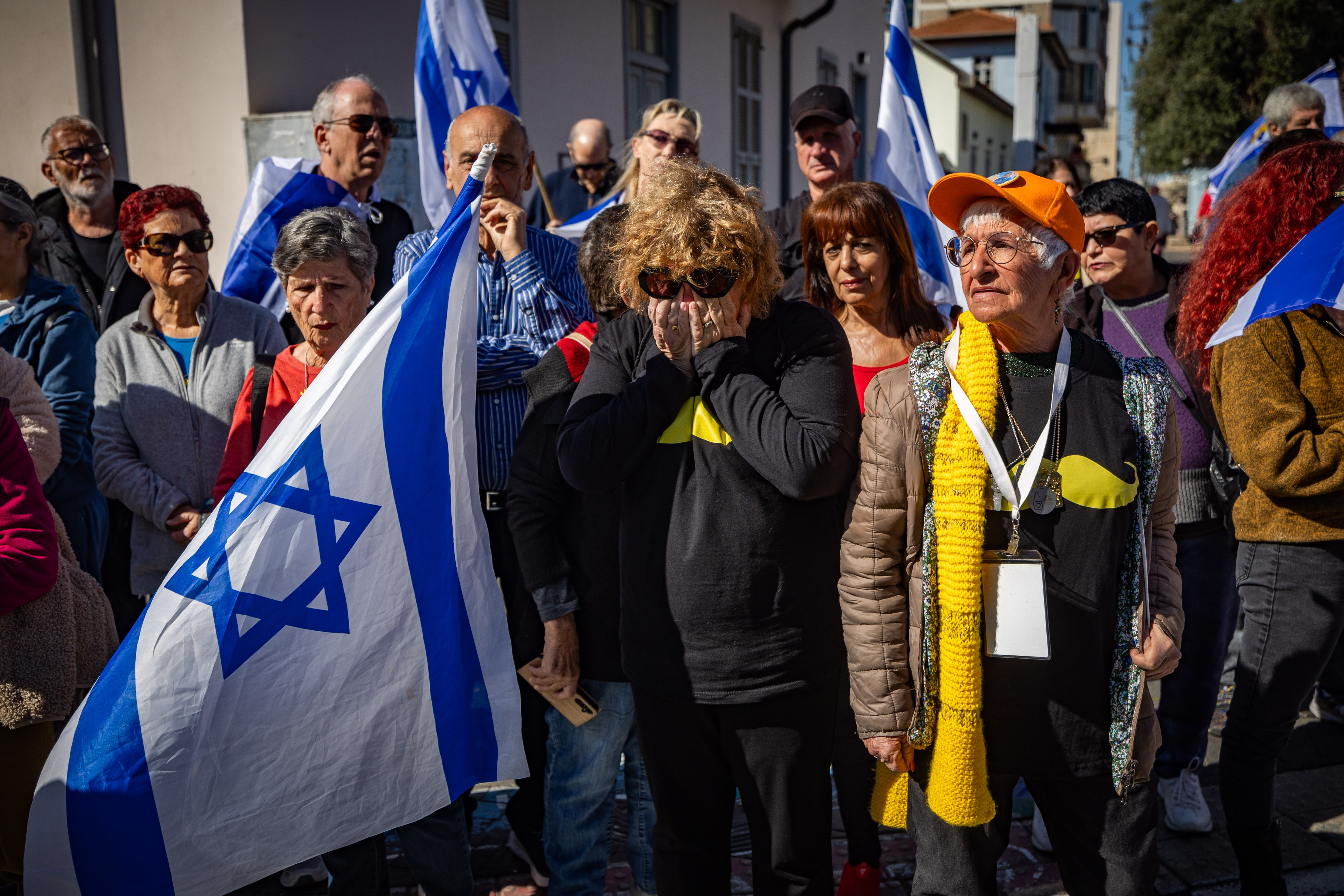
The funeral procession began at 9:45 a.m. IST from Rishon Lezion, a city in central Israel, heading south to Kissufim. The family and the Hostages and Missing Families Forum invited the public to line the route with Israeli flags, honoring Mantzur’s final journey. Key stops included Yad Mordechai Junction (around 10:45 a.m.), Sa’ad Junction (11:00 a.m.), and Gama and Kissufim Junctions (11:15 a.m.), with the ceremony starting at 12:30 p.m. at the kibbutz cemetery. The eulogy and procession are open to the public, though the family requested no media presence at the burial itself, seeking privacy in their grief.