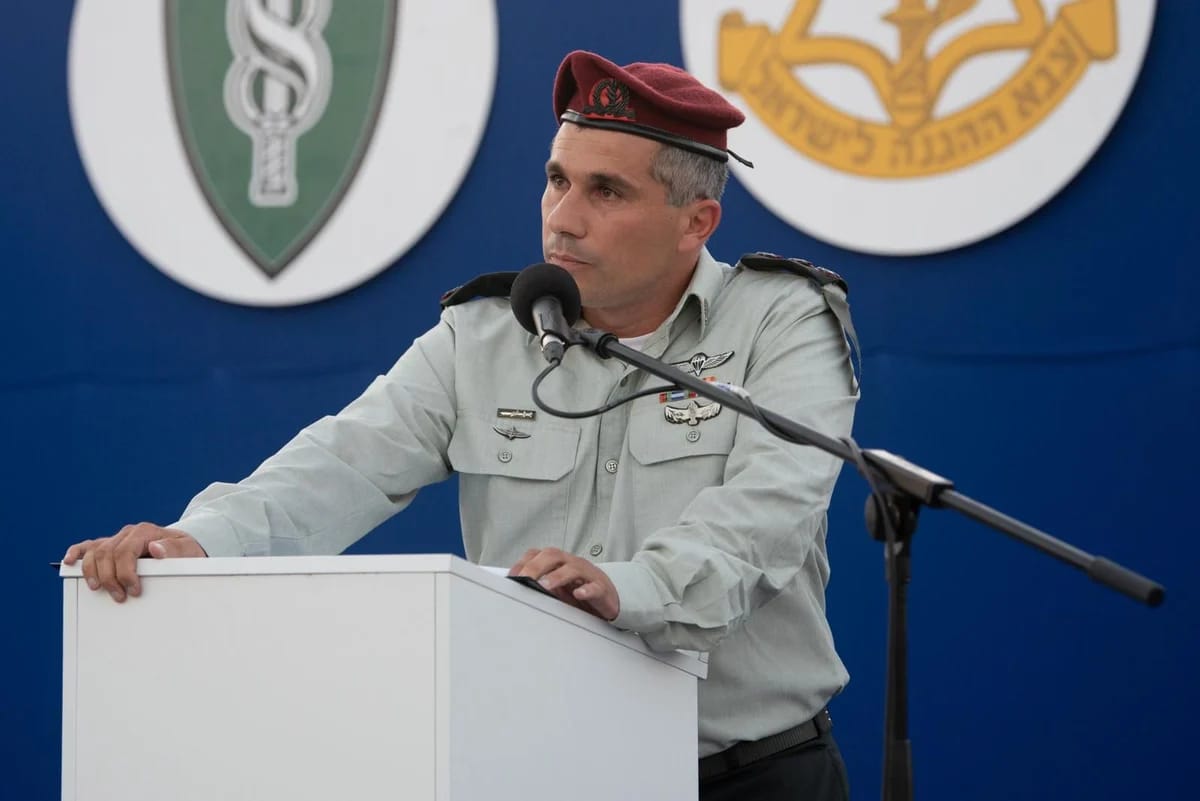
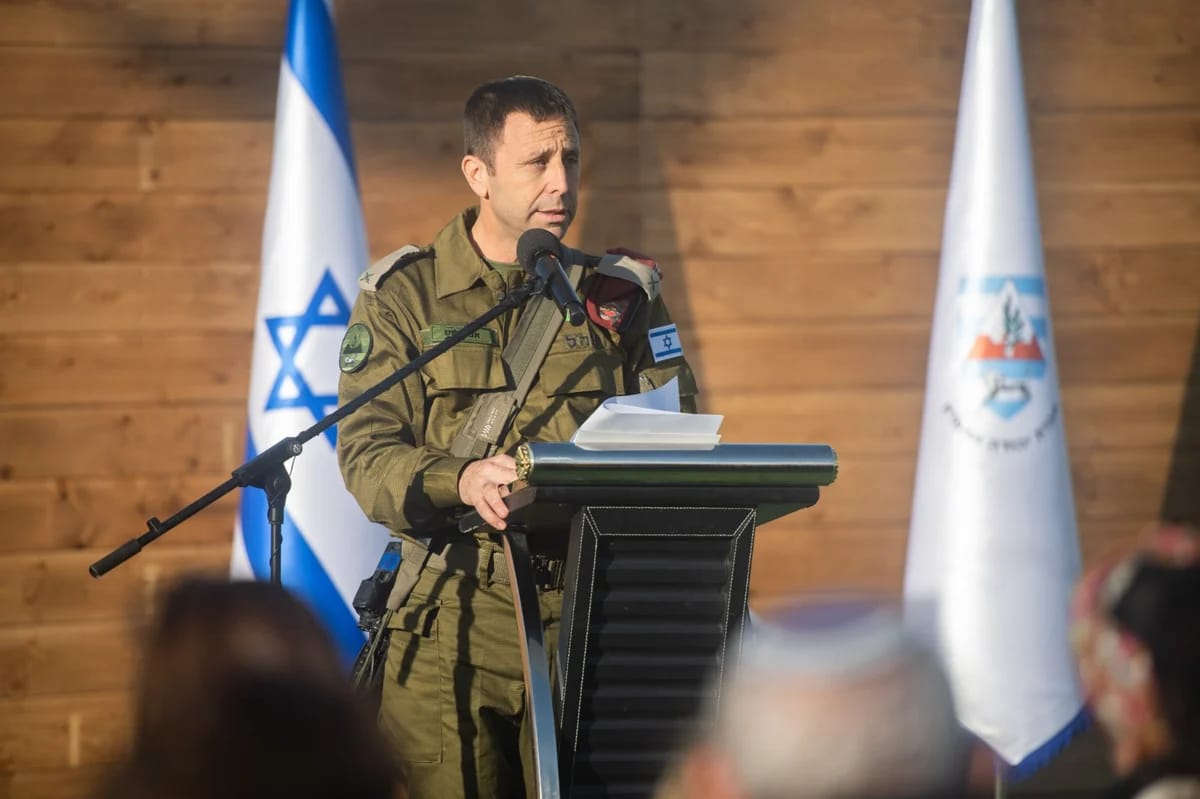
The scandal came to light through a blistering letter from soldiers and their families to senior military brass, forcing Central Command Chief Major General Avi Blot to launch an official investigation. While the inquiry cleared Biton of the most serious allegation - recklessly endangering soldiers' lives - it confirmed a pattern of behavior that the IDF admits "harmed the dignity" of those serving under him.
Perhaps most telling is the military's carefully worded statement acknowledging that Biton's conduct fell "contrary to what is expected from a senior IDF officer and commander" - a rare public rebuke in an institution known for handling internal matters discreetly.
While the IDF is quick to highlight Biton's "significant operational achievements" on three fronts, the testimony from his own troops tells a totally different story. Parents and soldiers alike questioned his tactical decisions, including what they viewed as a puzzling reluctance to engage enemy combatants in Khan Yunis.
The investigation revealed conditions so severe that it took direct intervention from former division commander Major General Dan Goldfus to force any improvement in Biton's leadership style. Only after a "command discussion" - military speak for what must have been a serious dressing down - did soldiers notice any positive change in their commander's behavior.
While Biton will retain his command, the reprimand marks a stark fall from grace for an officer leading one of Israel's most storied combat units.
For the soldiers who endured months without basic necessities while their comrades in other units received regular rest and hygiene breaks, the official reprimand may offer cold comfort.
Kikar HaShabbat contributed to this article.