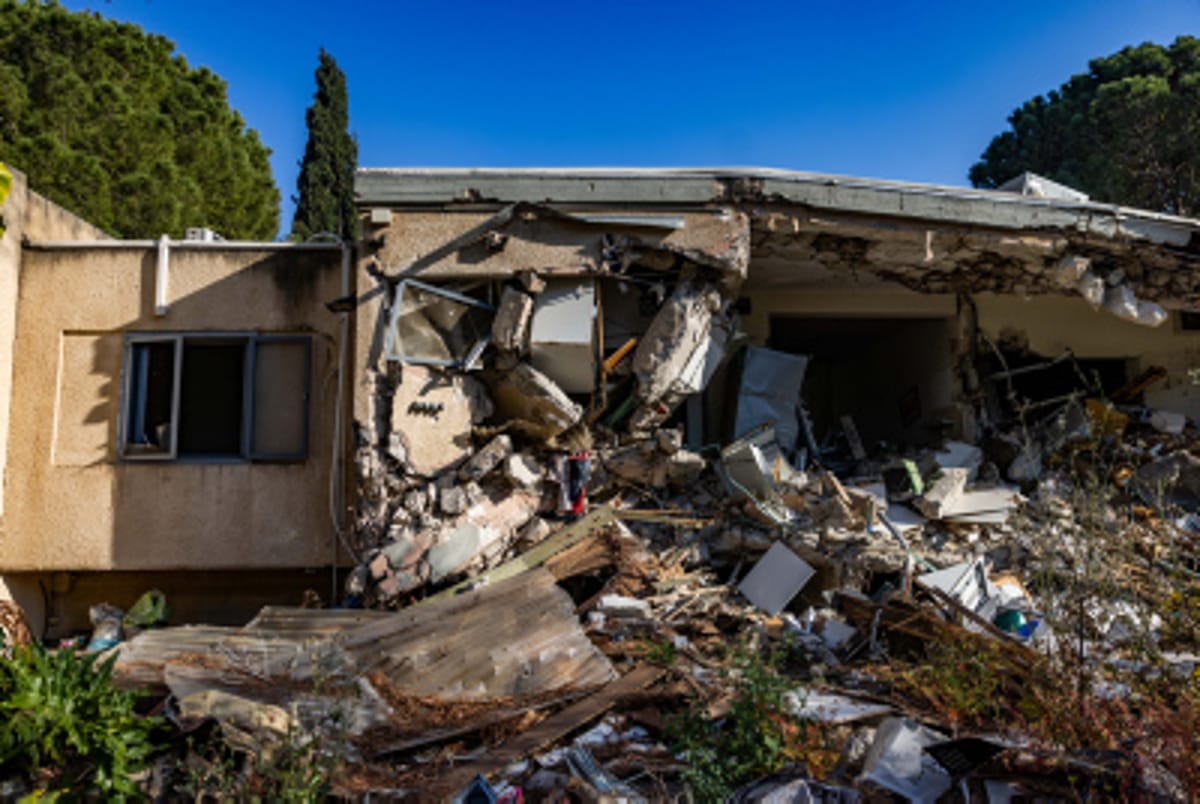
On that tragic day, around 250 Hamas terrorists from the Gaza City Brigade infiltrated the kibbutz, armed with explosives and weapons, initiating a brutal campaign of murder, looting, and kidnappings. While estimates suggest around 100 terrorists were eliminated within the kibbutz and 50 more outside its borders, the kibbutz suffered extensive damage, and its rebuilding process will take considerable time.
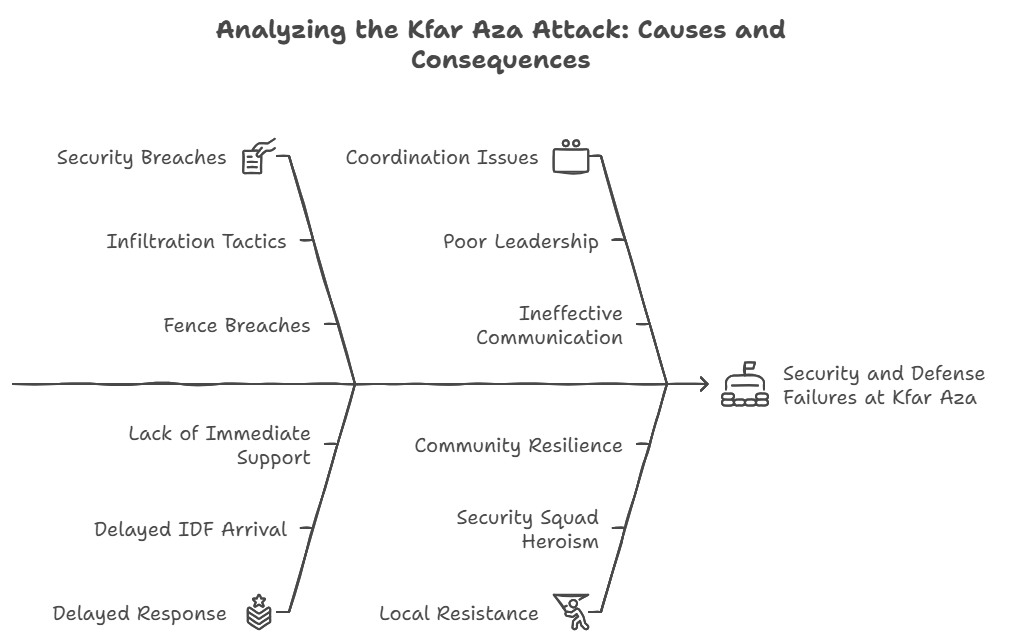
The attack began at 6:29 AM, when the terrorists launched heavy fire on security posts. Within minutes, they breached gaps in the security fence, and some even parachuted into the area using paragliders. Despite the immediate threat, the first IDF forces did not arrive until over two hours later, forcing local residents to fight back on their own. Members of the local security squad, who bravely confronted the armed terrorists, endured heavy losses, with seven of them falling in battle.
The investigation revealed that 62 residents of Kfar Aza were murdered, and 19 were kidnapped and taken to Gaza. Two of the kidnapped victims were accidentally killed by Israeli forces in Gaza during the fighting, while two others are still being held captive by Hamas.
The investigation breaks the battle down into five phases:
- Phase 1 (06:29-08:30): Terrorists infiltrated and launched their attack, breaching the security fence and initiating mass killings.
- Phase 2 (08:30-12:00): The terrorists continued their campaign of murder and kidnapping. A small IDF force arrived at 9:50 AM, but chaos ensued.
- Phase 3 (12:00-18:30): Attempts to regain control and deploy additional military forces proved difficult due to poor coordination and lack of clear leadership.
- Phase 4 (18:30-08:00 the next day): Ongoing fighting and entrenched terrorists, as rescue efforts began.
- Phase 5 and beyond: Efforts to clear the kibbutz and work on returning hostages.
The investigation’s key conclusions highlighted the IDF's failure to adequately defend the kibbutz. Military forces did not arrive in a timely manner, leaving the local security squad to contend with the terrorists alone. The report also pointed out significant deficiencies in military preparedness, lack of clear defense plans, and poor command and control during the battle. The evacuation of residents was poorly organized, with many evacuations carried out through local initiatives and without sufficient security.
Additionally, the Air Force's impact was minimal, as terrorist attacks continued despite several airstrikes. The investigation was conducted by the 55th Reserve Paratroopers Brigade, led by Lieutenant Colonel Oded Ziman, and included interviews, testimonies, video documentation, and communication recordings that shed light on the harrowing events of that day.