
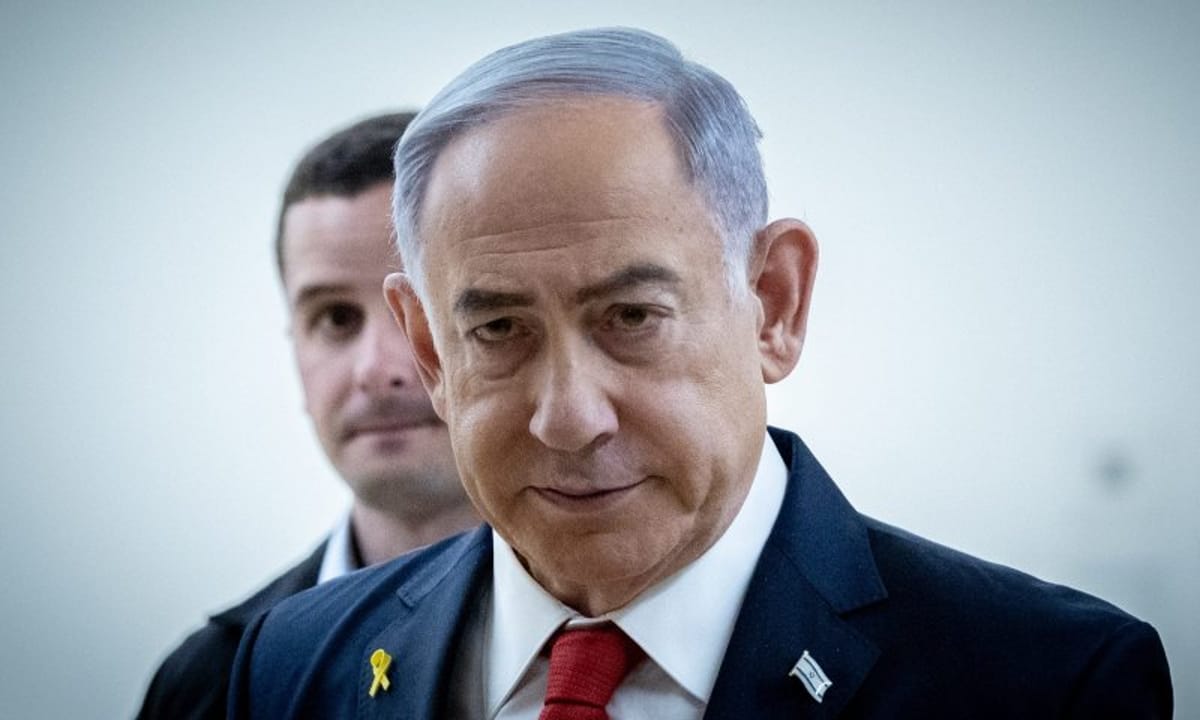
Prime Minister Benjamin Netanyahu’s victory in the vote for the next state comptroller was not only a coalition achievement, but part of a wider strategic move, according to Channel 12 political analyst Amit Segal.
Attorney Michael Rabilo, Netanyahu’s preferred candidate, was elected state comptroller after a tense vote in which the coalition ultimately reached the required 61 votes. Segal said the result was far from guaranteed after the first round, when it appeared that the coalition had lost control of the vote.
“After the first round, it looked like the story was basically over,” Segal said. “Moving two MKs in a vote is very hard, especially when you don’t know who they are.”
According to Segal, some people in Netanyahu’s office were ready to give up after the first round, but coalition chairman Ofir Katz insisted on continuing the effort. The final result, he said, showed that the coalition had managed to restore discipline at the last moment.
Segal argued that Netanyahu had two main goals in the comptroller battle.
The first was to prove that the right-Haredi bloc still exists and can still function as a political unit ahead of the coming election. Netanyahu, he said, wants to enter the campaign with a united bloc, despite the political cost of the Haredi parties’ unpopularity and the strains inside the coalition.
In that sense, the election of Rabilo with 61 votes, despite apparent defections in Likud and possibly United Torah Judaism, was seen by Netanyahu as an important achievement.
The second goal, according to Segal, is more long-term: shaping key positions in the state system before the election, in case Netanyahu loses power.
Segal said that if Netanyahu is defeated in September or October, the next prime minister is expected to inherit several senior officials appointed during Netanyahu’s final stretch in office. He listed the Mossad chief, the Shin Bet chief, the civil service commissioner and now the state comptroller as examples of appointments that cannot easily be reversed by a new government.
Segal described this as a significant shift in Netanyahu’s conduct. In the past, he said, many appointments were compromises or default outcomes. This time, Netanyahu is making deliberate appointments of his own choosing.
The result is that even if Netanyahu loses the coming election, he may leave behind a senior state apparatus partly shaped by him, creating a political and institutional inheritance for whoever succeeds him.