
POST PRIMARIS ANALYSIS

Religious Zionism Primary Results Highlight Broader Crisis of Representation

The internal primary outcomes in Bezalel Smotrich’s party reflect persistent structural splits and growing alienation among Religious Zionist voters ahead of upcoming Knesset elections.

Bezalel Smotrich

The Religious Zionist Party finalized its Knesset candidate slate on July 27, 2026, following internal primary voting by 200 central committee members. Out of ten candidates competing for three realistic seats, National Missions Minister Orit Strock secured the top position behind party leader Bezalel Smotrich, followed by MK Simcha Rothman, MK Tzvi Succot, and MK Ohad Tal.

However, the primary took place under the shadow of high-profile departures, including Minister Ofir Sofer and Deputy Minister Moshe Solomon, who left the party over disagreements regarding ultra-Orthodox draft legislation and Torah study laws. The outcome leaves the party roster virtually unchanged at the top, underscoring a broader crisis of political representation facing the main Religious Zionist demographic.
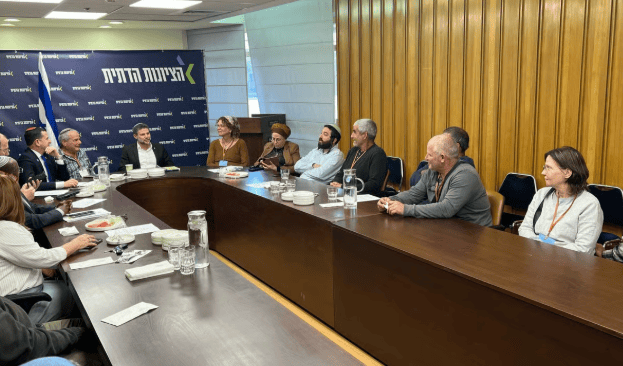

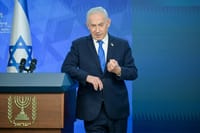
Meeting of Religious Zionism party
Meeting of Religious Zionism party (Photo: Religious Zionist party's spokesperson)

Fractionalization and Political Alienation

For mainstream Religious Zionism, the political landscape leading into the next elections presents a clear deficit of authentic representation. Rather than fostering a broad, unified political home, repeated internal splits have fractured the movement into competing factions over successive election cycles.

The departure of key figures such as Ofir Sofer, alongside recent exits like MK Moshe solomon stating that he felt the party had "moved off the path" , highlights how prominent figures within the sector continue to struggle to maintain a stable political base.

While Smotrich party leadership framed the internal vote as a demonstration of active democracy, the reliance on a limited central committee rather than broad primary voter participation reflects an ongoing disconnect from the wider Religious Zionists sector.

Elections
Elections (Photo: Shutterstock / I'm friday)

Strategic Challenges Ahead of National Elections

With current polling indicating a fragile position relative to the electoral threshold, the party faces significant strategic hurdles. Smotrich’s efforts to consolidate conservative religious voters without relying on mergers or external reserve slots on larger party slates remain tested by internal divisions.

As national elections approach, voters within the Religious Zionist community face a fragmented landscape.

The primary results demonstrate continuity among incumbent leadership, but the surrounding political shifts signal that establishing a unified, broadly representative political platform remains an unresolved challenge for the "Religious Zionism party" that in light of the latest polls, has no reason to celebrate.

Ready for more?

Join our newsletter to receive updates on new articles and exclusive content.

We respect your privacy and will never share your information.

Enjoyed this article?

Yes (33)
No (1)
Follow Us:

Unmissable content


Loading comments...

Also of Interest