Get our mobile app
Download on the App StoreGet it on Google Play

New Enforcement Era

Police Issue Tickets From Security Cameras

Traffic attorney warns of sweeping enforcement reform: officers monitor municipal cameras in real-time and mail citations directly to drivers, while speed camera thresholds drop to single-digit violations

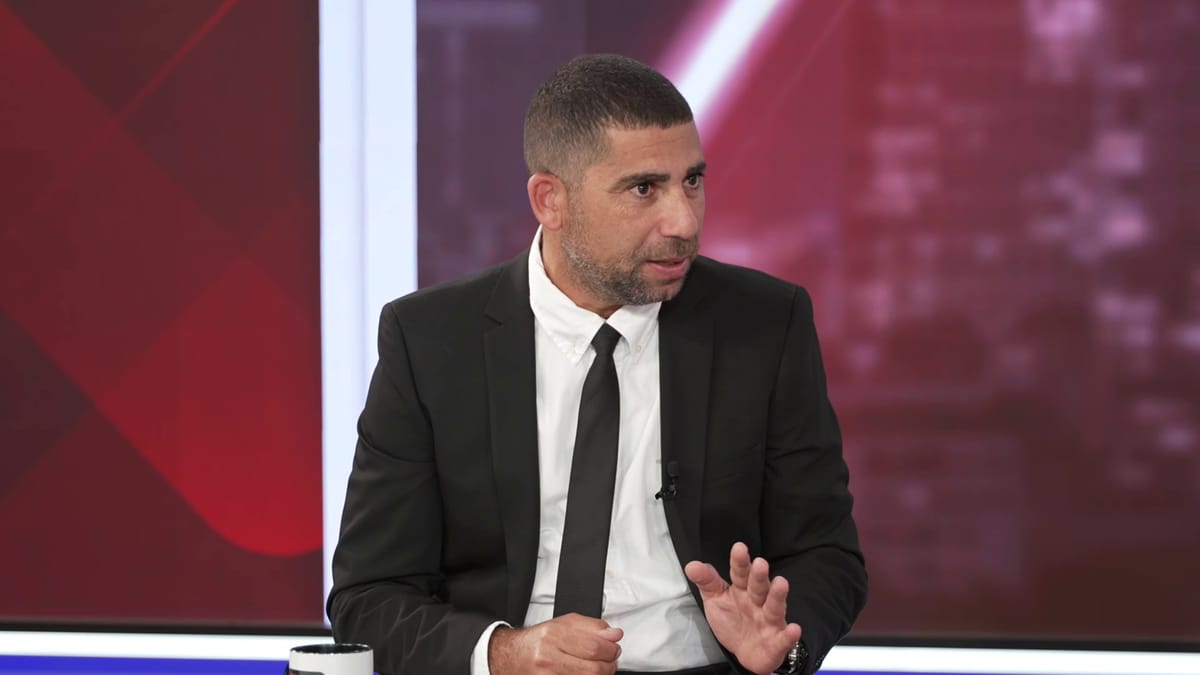
Attorney Nir Shalom in an interview with Kikar Hashabbat
Attorney Nir Shalom warns in the Kikar Hashabbat studio

If you've noticed a sharp increase in cameras, police presence, and surprising citations arriving in the mail, you're not alone. A massive traffic enforcement reform is now taking effect in Israel, fundamentally changing the rules of the game for every driver. Attorney Nir Shalom, a traffic law expert, appeared on Kikar Hashabbat and explained the dramatic implications of the changes.

Big Brother at Intersections: Officer at Headquarters, City Camera – Citation in the Mail

One of the most troubling revelations concerns how police now enforce everyday violations. In the past, a traffic officer had to stand at an intersection, identify a violation with his own eyes, stop the vehicle, and write a ticket. Today, the game has changed completely.

"The officers' work has become much easier," Shalom explains. "Officers sit at traffic headquarters, connect via live feed to municipal security cameras, see a violation, and generate a citation. I've already had drivers come to me with tickets that state in black and white: 'I watched the municipal camera, identified a violation committed by such-and-such vehicle --- boom, citation.' Every innocent municipal camera intended for urban security can become a police traffic camera for all intents and purposes."

According to him, this involves widespread enforcement of violations beyond just speeding, from mobile phone use to failure to wear a seatbelt.

The Quiet Revolution: Courts Closed, You've Moved to Administrative Process

The deepest structural change in the reform, which took effect in recent months, is the removal of "trial option" traffic violations from traffic court walls.

Until now, a driver who received a citation he believed was unjustified could request a trial, stand before a flesh-and-blood judge and police prosecutor, explain exceptional personal circumstances, or point to a technical flaw in the citation that led to acquittal due to reasonable doubt. Now, the criminal process has been abolished and replaced with a completely impersonal administrative procedure.

"They abandoned the criminal process and moved to an administrative one. They appointed administrative judges, appointed administrative prosecutors, and there's no longer a judge," Shalom details. "Today everything is conducted in writing. You send a letter, the judge sits and reads it like reading an email. There's no emotion, no eye contact, and no possibility of conducting a real hearing."

Beyond that, Shalom warns of a critical legal change: the required burden of proof. "In a criminal process, it was enough for the defense attorney to raise a slight doubt – an error in the vehicle number, a mistake in the ID number, an inaccuracy in location – and there was already room for acquittal or a plea deal. In an administrative process, we move to 'balance of probabilities.' The driver needs to prove over 50% probability that the citation is wrong. The doors have simply closed on the ordinary citizen."

Single Kilometers Over the Limit: "40-Year Drivers With Clean Records Getting Tickets"

Beyond violations filmed in the city, the speed camera system is also undergoing a radical change. If in the past police calibrated the cameras to activate only for significant violations, today the threshold has dropped significantly.

Shalom points to the expected introduction of "average speed per segment" cameras (similar to European practice), systems that photograph the vehicle at point A and again at point B, calculating average speed along the segment, so the familiar braking before the camera is no longer helpful.

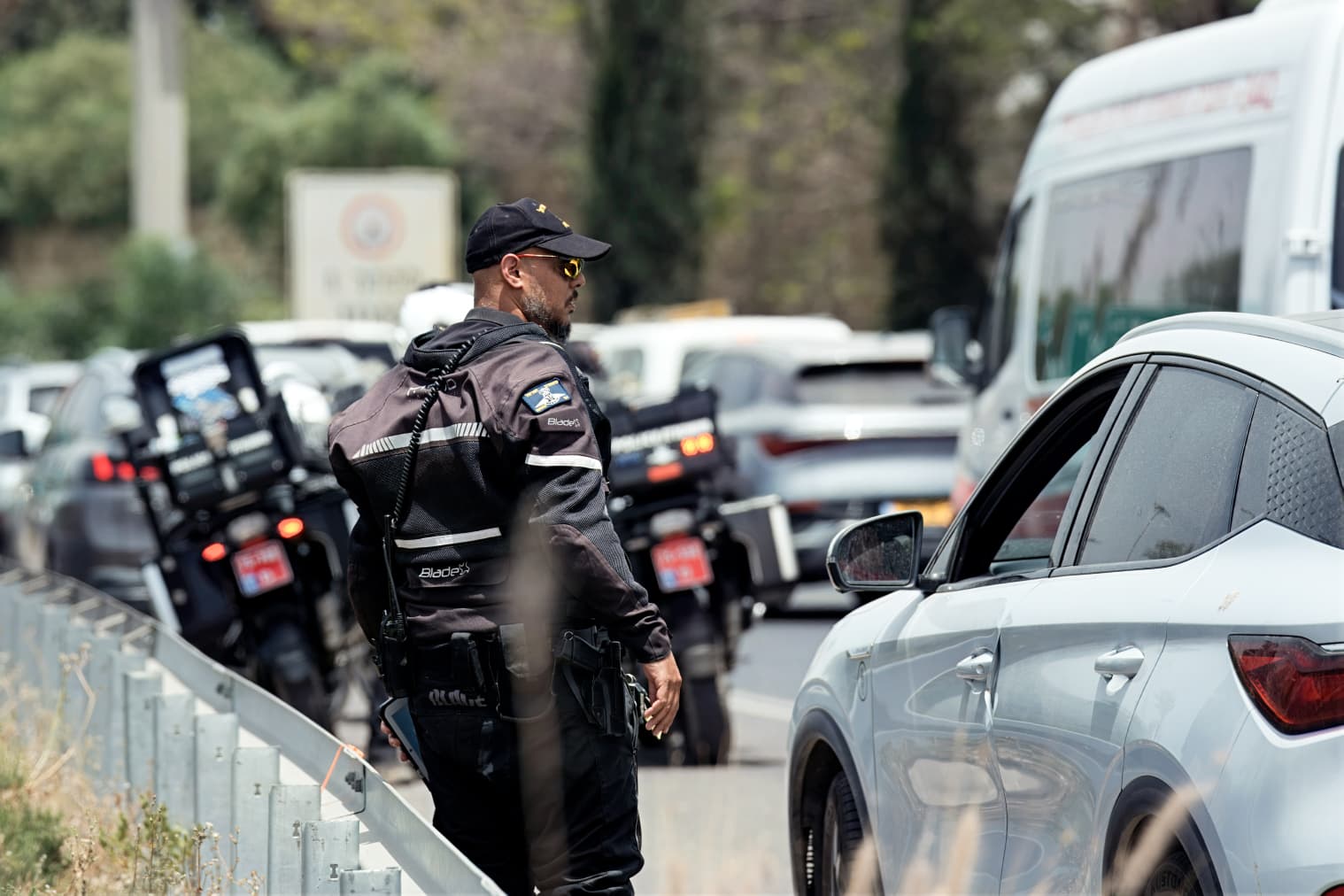
Police operation on central Israel roads
Police operation on central Israel roads (Photo: Israel Police Spokesperson)

The Points Trap and Delivery Drivers

The implications of this crackdown particularly affect ordinary drivers and those whose livelihood depends on the wheel. Shalom presents a real-world example:

"Take delivery drivers, for instance. A driver unloads merchandise at one stop, gets in the vehicle and drives 100 meters to the next stop. In that short distance he forgot to buckle his seatbelt. He gets a citation once, gets one again after a few months – and now he's accumulating points. In the past, you'd get to court, explain that it's work-related and a sequence of unloading and loading, and they'd take it into account. Today, accumulation of 36 points in four years leads to automatic license suspension for three months by an official's decision, without discretion."

Stopped by an Officer? The Surprising Tip That Will Save You

At the end of the interview, Shalom offers a critical tip for drivers stopped on the road by a traffic officer:

"The encounter with an officer in the field is a criminal investigation for all purposes. Drivers' biggest mistake is trying to please the officer and saying: 'I'm sorry, I didn't notice, I was on my way to the doctor/under pressure.' Drivers think the officer will have mercy on them, but in practice the officer simply writes it down under 'driver's statement.' The moment the citation reaches the administrative judge, the judge sees you wrote 'I'm sorry', and sees it as a full admission of guilt. From there, there's no way to cancel the citation. It's better to maintain composure, not rush to admit to a violation, and examine the legal options calmly."

Ready for more?

Join our newsletter to receive updates on new articles and exclusive content.

We respect your privacy and will never share your information.

Enjoyed this article?

Yes
No
Follow Us:

Unmissable content


Loading comments...

Also of Interest