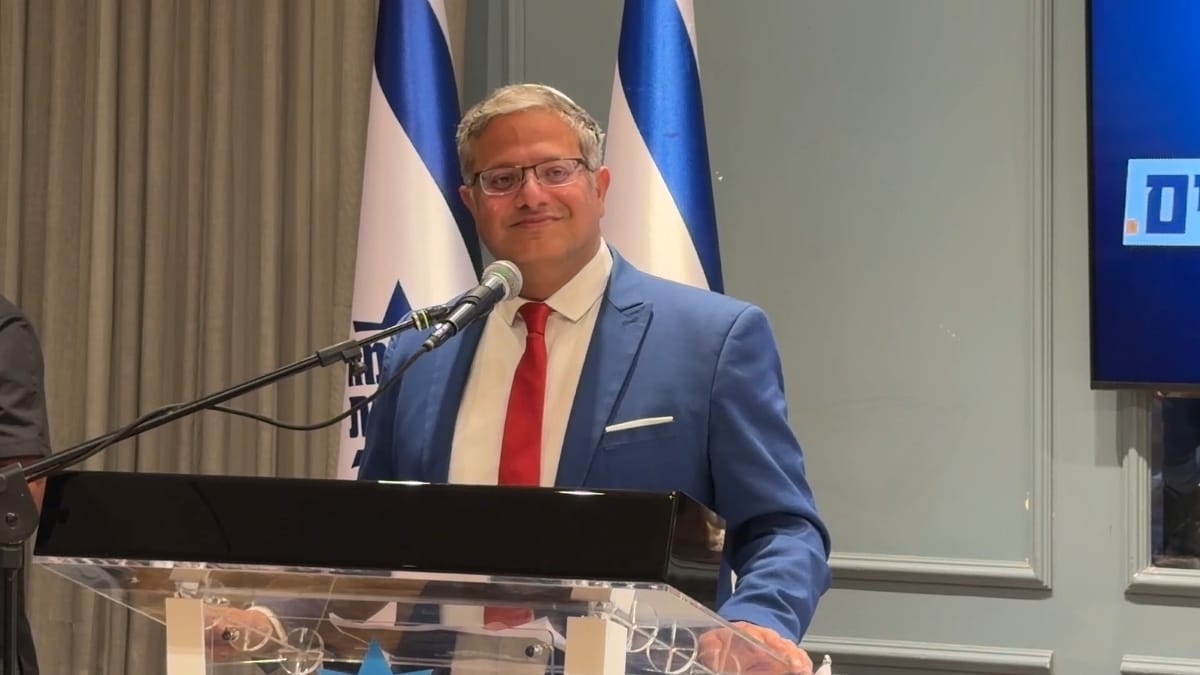
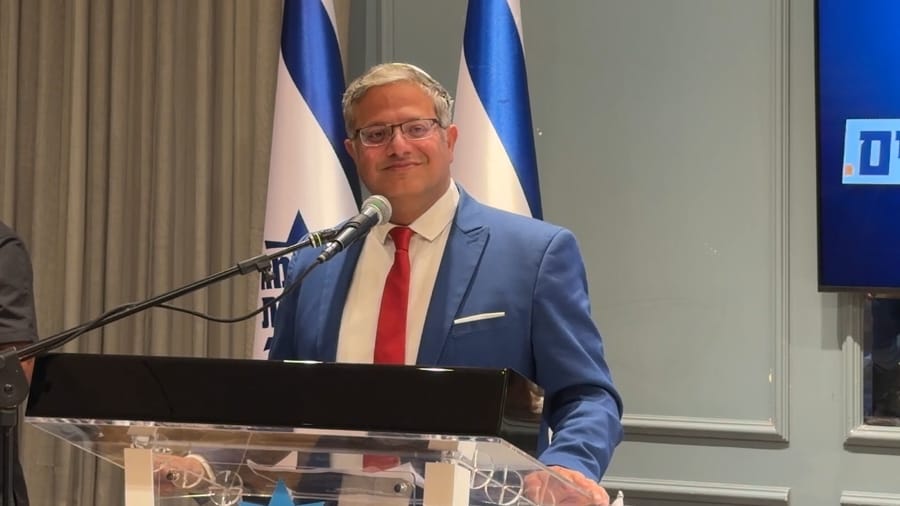
The minister went on to explain his rationale for applying capital punishment to terrorists. Beyond the obligation to follow existing law, he argued, the measure could create deterrence and make terrorists think twice before carrying out attacks.
"I think he knows very well that A, this is the law, so we are all obligated to the law, and B, that it creates deterrence, that it creates a situation where terrorists will be afraid to carry out attacks," the minister said.
Ben-Gvir acknowledged that implementing the death penalty for terrorists would not completely prevent attacks, but suggested it could contribute to a further reduction in their frequency. "It won't prevent 100 percent of attacks, but a death penalty law for terrorists will reduce attacks even more," he claimed. He added: "I'm saying this as National Security Minister who is responsible for a very significant reduction in terror attacks in the State of Israel."
Shukrun was shot while at Ein Re'aya spring and suffered critical injuries. He was evacuated to Beilinson Hospital, where his death was pronounced. He had arrived at the spring that morning with his eldest son to immerse in preparation for Yom Kippur.
He is survived by his wife Merav and six children. His oldest son is in eleventh grade, and the youngest is four years old. Shukrun worked as an information systems analyst at Hachshara Insurance Company, and his wife, Dr. Merav Shukrun, is a lecturer at Ariel University.