Get our mobile app
Download on the App StoreGet it on Google Play

'No Other Land' Controversy

'NAZA' Free Online After Threats

Yuval Abraham says documentary will stream at no cost starting November, offers Israeli theaters free screening rights amid backlash over Venice-winning film

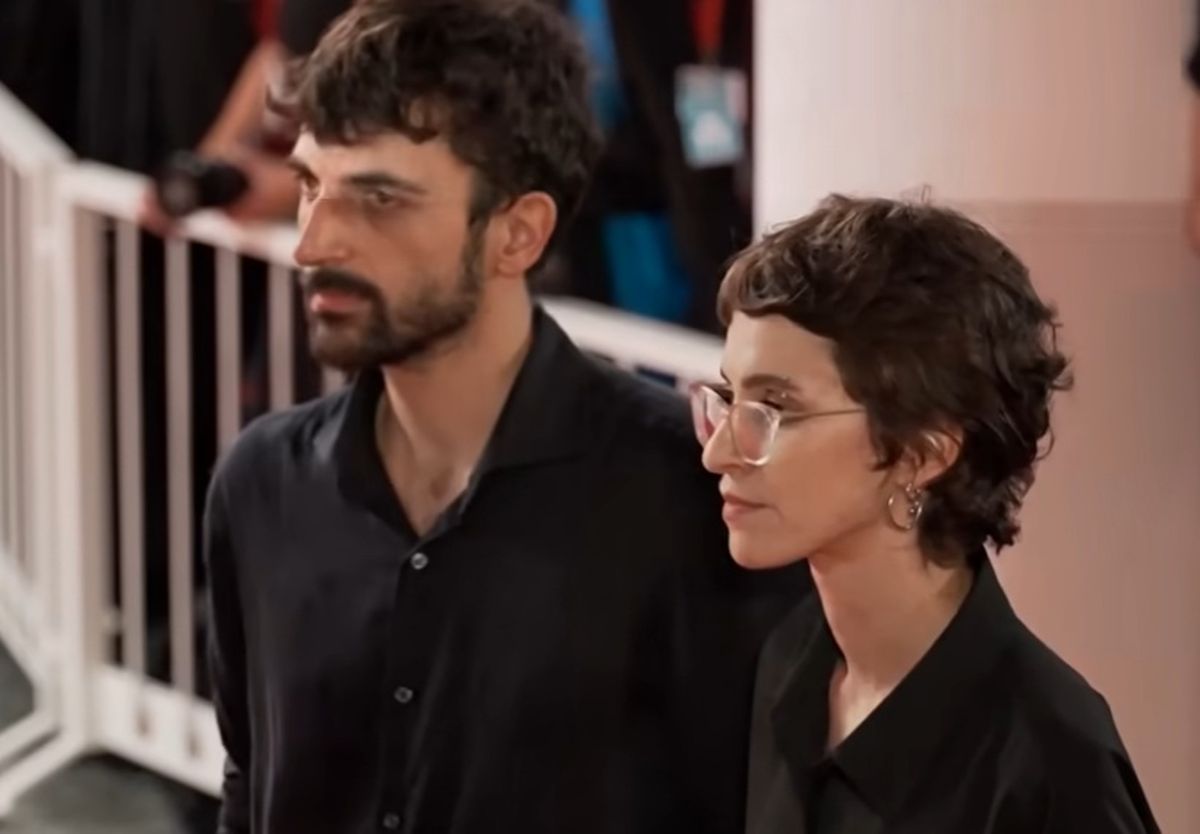
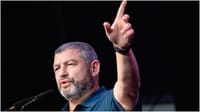
Yuval Abraham and Rachel Szor

Yuval Abraham, co-director of the controversial documentary NAZA, announced Thursday that the film will be distributed online free of charge with no time limit. According to Abraham, the film will be available for viewing starting in November, concurrent with its theatrical release worldwide.

"Because of the public interest and importance, Rachel and I decided together with The Guardian that the film 'NAZA' will be accessible online for free, with no time limit, so that everyone can watch it and the soldiers' testimonies," Abraham wrote in a post on X. "This will happen in a few weeks, in November, at the earliest date we could arrange."

Alongside the announcement of online distribution, the filmmakers reached out to Israeli theaters offering to screen "NAZA" at no cost in the near future. "We approached cinemas in Israel and offered them the film at no cost, hoping it will be screened in the country now, parallel to its distribution in theaters worldwide," Abraham explained. "Screening it will be a courageous decision in the face of great violence aimed at hiding it."

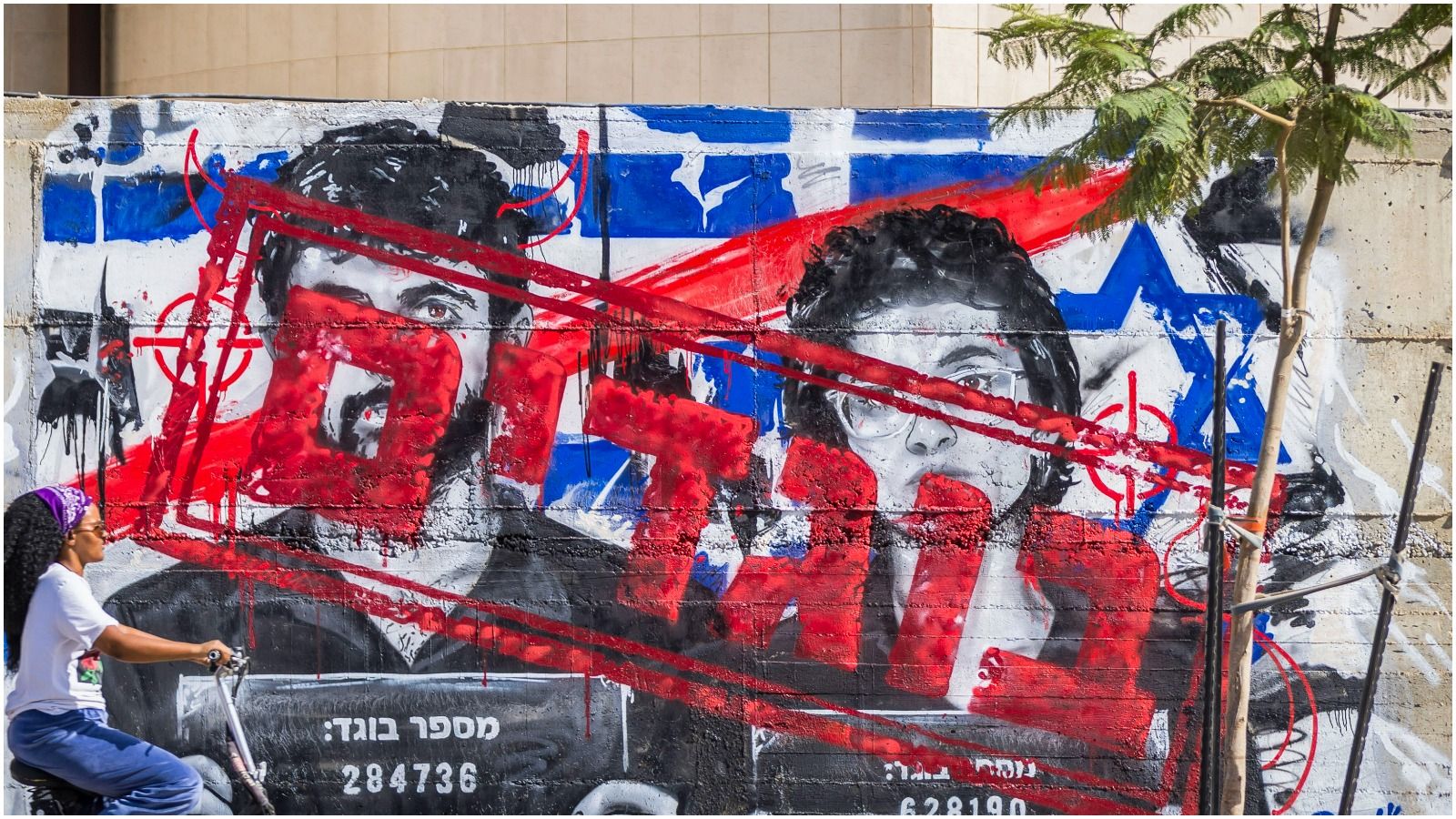
The documentary, which won the Special Jury Prize at the Venice Film Festival, examines IDF fire policy in Gaza and is based on testimonies from soldiers speaking anonymously. The festival win sparked public uproar in Israel, with Culture and Sports Minister Miki Zohar announcing he would work to revoke the citizenship of Abraham and his co-director Rachel Szor.

"Many Untrue Things Have Been Said About Us"

In his post, Abraham addressed the harsh criticism directed at him and the film. "Many untrue things have been said about us and about the film in the past week," he wrote. "The film is based on comprehensive journalistic investigation of three years and the details in it are verified and cross-checked. It will speak for itself and the truth will ultimately become clear."

Liron Moldovan Flash 90

Abraham explained the motivation behind creating the film: "We made the film to spark public debate about the government's actions in Gaza, the killing of more than 73,000 people, most of them civilians, the normalization of a war of extermination, of the perception that 'there are no uninvolved.' Twenty-four soldiers took a step and spoke on camera about what an entire society doesn't want to talk about."

The filmmaker also addressed the connection between the events of October 7 and what is happening in Gaza: "Recognition of the horrors in Gaza does not diminish for a moment the criminal massacre of October 7, for which Hamas is responsible, which soldiers speak about in the film, and which has no justification whatsoever. On the contrary. After all, the ignoring of what is happening in Gaza is one of the factors that paved the way to that terrible Saturday. And this ignoring continues."

"Journalism Is Not Treason"

In the central part of his post, Abraham addressed accusations of treason leveled against him: "Journalism is not treason. Criticism is not treason. It is the duty of every citizen whose government commits crimes to know and of every soldier who witnessed them to tell." He appealed directly to soldiers who witnessed events in Gaza: "Thousands of such soldiers are walking around here, who will watch the film and recognize what is described in it personally. Even if it's frightening, it is your duty to find a way to testify about what you saw."


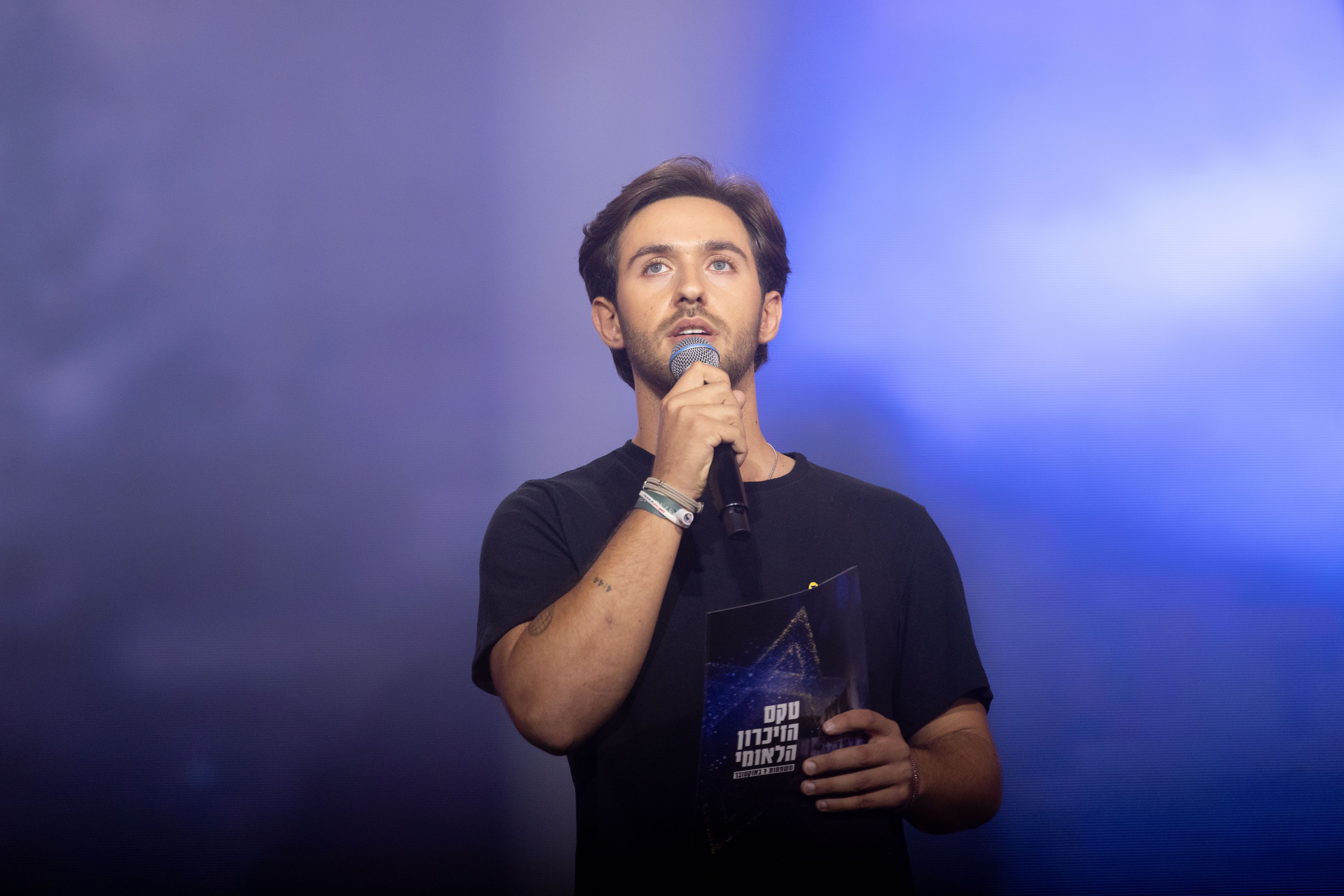
Omer Shem Tov
Omer Shem Tov (Miriam Alster/Flash 90)

Abraham rejected the claim that the film harms Israeli public diplomacy: "They'll tell you it's worth hiding the truth for the sake of hasbara abroad, but that's nonsense. They already know everything there. Crimes are not explained but stopped. Hiding the truth first of all poisons our society and above all allows the harm to people in Gaza to continue."

At the end of his post, Abraham addressed the personal price he has paid following the film: "I've been writing about the army's fire policy in Gaza in Hebrew in 'Local Call' for three years already. The investigations received indifference in Israel. Now for the first time something has cracked in the screen of indifference - and that's a positive thing. It's a healthy thing. Yes, it comes with a great personal price. It was a difficult week. But within it there is also tremendous support, and much generosity."

Abraham concluded with a firm statement: "What's certain: the threats won't help. They don't deter us. Rachel and I will return to the country and continue to fight for the future of this place together with many partners."

The documentary has drawn sharp responses from various figures in Israel. Hostage survivor Omer Shem Tov addressed the film in an op-ed published in The Wall Street Journal, writing: "This film received standing ovations that lasted more than 24 minutes. For me, those minutes felt like a barrage of knives." Fellow hostage survivor Eliya Cohen also launched a fierce attack against the filmmakers, calling on the public not to remain silent about the portrayal of IDF soldiers in the film.

Ready for more?

Join our newsletter to receive updates on new articles and exclusive content.

We respect your privacy and will never share your information.

Enjoyed this article?

Yes
No
Follow Us:

Unmissable content


Loading comments...

Also of Interest