
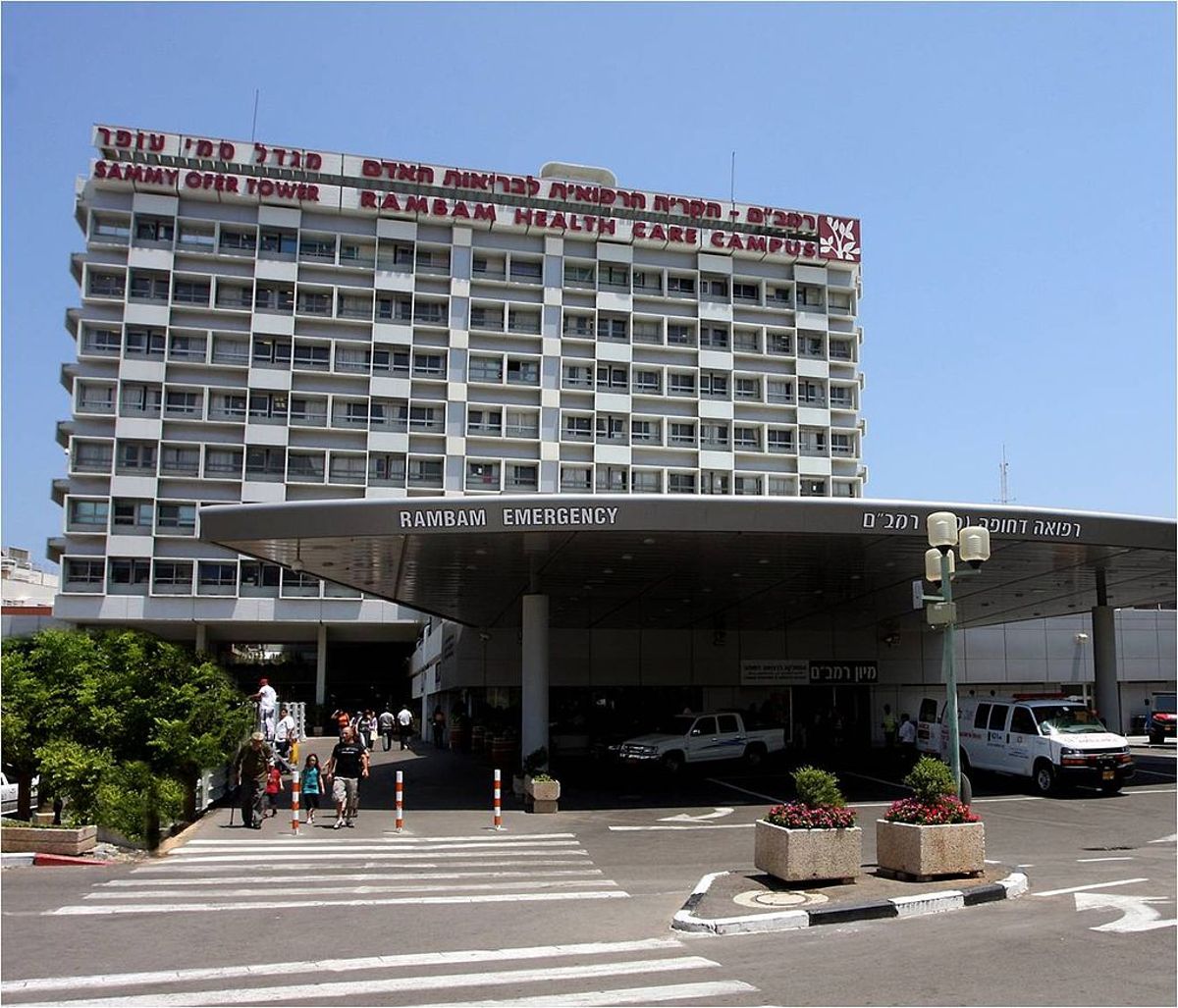
The Health Ministry announced Thursday the death of a child who had been hospitalized at Rambam Medical Center in Haifa after developing brain inflammation caused by a rare amoeba known as Naegleria fowleri. The ministry expressed sorrow over the child's death and extended condolences to the bereaved family.
Laboratory testing conducted by the Health Ministry confirmed the presence of Naegleria fowleri, a finding the ministry included in its public statement alongside results from an epidemiological investigation into the case.
The investigation determined that the child had swum at Kursi Beach on the Kinneret approximately one week before hospitalization. The ministry disclosed this detail as part of its update on the case, which included both the laboratory confirmation of the amoeba species and the information gathered during the epidemiological inquiry.
Ministry officials emphasized the extreme rarity of the disease. Worldwide, fewer than 500 cases have been reported, according to data provided by the ministry. In Israel specifically, only three cases have been diagnosed in recent years.
The ministry presented these global and local statistics as context for understanding the unusual nature of the infection that led to the child's hospitalization and subsequent death at Rambam.