Following earlier reports that Degel HaTorah, the Lithuanian haredi faction, is seriously considering running independently in Israel's next elections, a dramatic meeting took place this week between representatives of the two wings of United Torah Judaism, the umbrella party that has united haredi factions for decades.
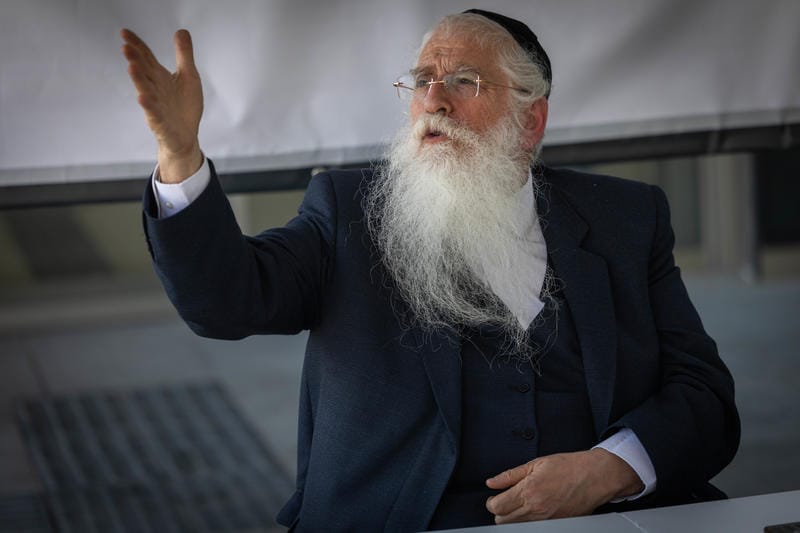
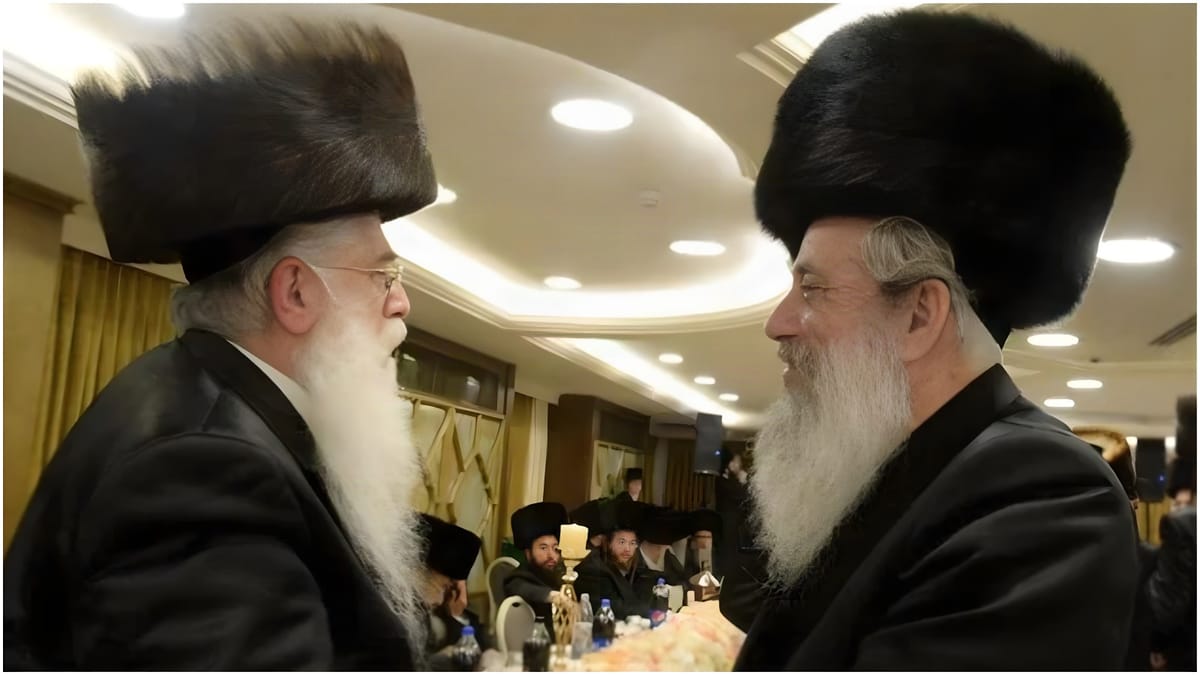
Knesset member Meir Porush, who chairs the Shlomei Emunim faction within Agudat Yisrael, met with Hanoch Zeibert, the Bnei Brak mayor who typically handles political negotiations for the Gur Hasidic dynasty and serves as secretary-general of Agudat Yisrael.
The rivalry between Porush and the Gur leadership is well-known within haredi political circles. Typically, however, the feuding parties maintain a cold peace before elections, resuming their conflicts only after votes are counted.
According to information obtained by Kikar Hashabat, the meeting was initiated by the Gur leadership and took place in a haredi-majority city. The discussion lasted several hours.
At the heart of the conversation was Degel HaTorah's desire to separate from Agudat Yisrael, and a critical assessment: whether Agudat Yisrael, representing primarily Hasidic communities, could realistically cross Israel's 3.25% electoral threshold on its own. Such a scenario would require Hasidic voters, many of whom historically don't vote despite rabbinic directives, to turn out in unprecedented numbers to prove their electoral strength for the first time in decades.
A senior Agudat Yisrael source described the meeting as dramatic, noting that "the gaps between the two sides keep growing, especially in light of the military draft law. The sides detest each other, and the fact that they met at all is already a significant statement."
The source continued: "What Gur has done in recent years, both regarding local elections and the draft issue, are serious matters that are unacceptable from Porush's perspective. The very fact that he agreed to meet with Gur and give legitimacy to running with them, instead of joining Degel HaTorah, shows the pragmatism he's employing."
According to the source, no one believes Degel HaTorah would actually leave the Hasidic factions to face the electoral threshold alone, as that would certainly cost the haredi community at least three mandates, possibly as many as seven. The meeting aimed to determine whether such a move is even realistic, and with whom Agudat Yisrael might unite to safely cross the threshold. The discussion also touched on rumors that Gur Hasidim are promoting the establishment of a new "black party."
For skeptics who doubt this split will actually materialize, the various meetings and briefings suggest this time represents a genuine attempt—not merely a negotiating tactic by Degel HaTorah to improve its position within the joint list, such as securing the party chairmanship or better placement on the electoral slate.
Degel HaTorah, as first reported earlier by Kikar Hashabat, is well aware of internal developments within Agudat Yisrael and has reached a decision: if they can confirm they'll cross the electoral threshold without the Hasidic electorate, they will proceed with this dramatic move—a strategy that has already succeeded in local municipal elections.