PMO Leak Scandal

Attorney General Files Serious Indictment Against Netanyahu's Former Advisor Yonatan Urich

Attorney General announces charges against Yonatan Urich for leaking classified documents • Two counts of transmitting secret information with intent to harm state security | Defense: 'His only crime was working for the Prime Minister' (Israel News)

Yonatan Urich
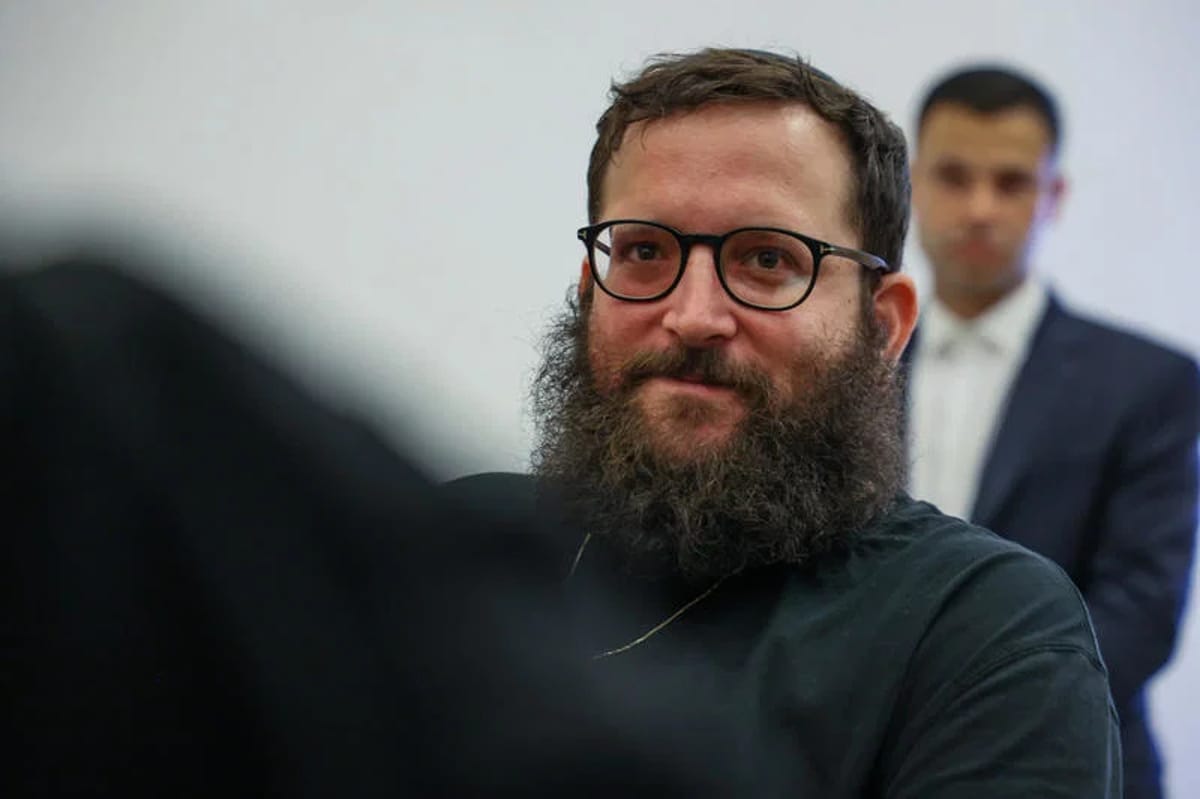
Yonatan Urich (Photo: Jonathan Shaul / Flash90)
Urich
Urich

Today (Thurdsay), Attorney General Gali Baharav-Miara announced her decision to file an indictment against Yonatan Urich, Prime Minister Benjamin Netanyahu's former advisor, in connection with the controversial leak of classified documents to the German newspaper Bild.

The indictment includes two counts of transmitting secret information with intent to harm state security, as well as one count of evidence tampering. The case has generated significant controversy in recent months amid allegations that classified documents were leaked to foreign media during the ongoing war.


Defense Team Rejects Charges as 'Disconnected from Evidence'

Urich's attorneys, Amit Hadad and Noa Milstein, issued a sharp response to the Attorney General's decision. "The decision to file an indictment against Yonatan Urich in the Bild case is a mistaken decision, disconnected from the evidence that refutes the prosecution's thesis and demolishes the allegations against Urich from the foundation," they stated.

The defense team emphasized that Judge President Menachem Mizrahi, who reviewed all investigative materials in the case, determined there was "not a shred of evidence" linking Urich to the leak. "Instead of closing a case that has no basis, as would be appropriate, the prosecution clings forcefully to a flawed and unnecessary case," the attorneys asserted.

They concluded with a pointed statement: "Yonatan Urich acted lawfully, and his only crime was his work on behalf of Prime Minister Benjamin Netanyahu."

Intelligence Source Compromised, Former Minister Claims

Former War Cabinet Minister Gadi Eisenkot previously disclosed that the document leak to Bild endangered a critical intelligence source operating in Gaza who had been providing vital information about Israeli hostages. According to Eisenkot, this source was "one of the most important sources Israel had in the Strip regarding the condition of the hostages."

Eisenkot clarified that Prime Minister Netanyahu was among those privy to the source's identity, stating: "If he claims otherwise, he should have verified this before authorizing the leak. Netanyahu enabled this to be leaked first to Channel 12 and then to Bild - he endangered the intelligence source."

In a separate development, the Attorney General's office recently announced a delay in proceedings against Urich in another case involving alleged harassment of state witness Shlomo Filber. The prosecution cited an inability to bring a key witness to testify, leading legal observers to predict the case will likely be closed.

Urich responded to that development by stating: "Nearly eight years of legal torture and relentless persecution ended this morning with one phone call and a document I received on WhatsApp. No one will return to me and my family what we went through."

Political Fallout Intensifies

The case has generated sharp political reactions. Former Prime Minister Naftali Bennett, who is preparing to run in upcoming elections, launched a scathing attack on Netanyahu's office management. Bennett alleged that "every moment Netanyahu continues to employ a Qatari agent in his office increases the epidemic of espionage cases in Israel."

Bennett invoked Section 121 of the criminal code, which stipulates that a person who deliberately sabotages Israel's relations with another country faces up to life imprisonment. "This is exactly what Netanyahu's people did when they deliberately sabotaged our relations with Egypt," he asserted.

The indictment against Urich marks a significant escalation in what has become one of the most sensitive security-related investigations involving the Prime Minister's Office during wartime. As the case proceeds to trial, it is expected to generate continued debate about the boundaries between political communication and national security obligations.

Ready for more?

Join our newsletter to receive updates on new articles and exclusive content.

We respect your privacy and will never share your information.