Get our mobile app
Download on the App StoreGet it on Google Play

Crisis Intensifies

Iran's Economic Crisis Deepens Under Intense U.S. Pressure

As Washington intensifies economic pressure and successfully protects oil shipments through the strategic waterway, Tehran struggles to evade sanctions. Senior Iranian officials acknowledge the mounting difficulties, fuel prices surge domestically, and threats of retaliation against the U.S. escalate.

Iran's Economic Crisis Deepens Under Intense U.S. Pressure

While the open and covert confrontation between the United States and Iran has proceeded at a relatively low intensity in recent weeks, behind the scenes the challenges facing the ayatollah regime appear to be mounting significantly.

Tehran is currently grappling with unprecedented economic strangulation, while simultaneously demonstrating an inability to disrupt commercial shipping through the strategic Strait of Hormuz.

After years of prolonged sanctions that weakened the Iranian economy, the country now faces what may be the greatest economic challenge in its history. The combination of heavy American sanctions and a naval blockade imposed on its ports threatens to completely paralyze domestic industry.

Senior figures in the Iranian leadership, including President Masoud Pezeshkian, have recently issued public warnings about the crisis's implications. Iranian Parliament Speaker Mohammad Bagher Ghalibaf acknowledged on Sunday with unusual candor that "Iran's central battle now is around production and the livelihood of citizens." Meanwhile, three senior Iranian officials told Reuters that Tehran is finding it increasingly difficult to evade sanctions and export oil in the face of the American campaign.

Iran's economic challenge is intensifying given its inability to create "bargaining chips" by blocking oil passage through the Strait of Hormuz. The U.S. administration is conducting an extensive military operation to escort merchant vessels, successfully thwarting Iranian threats and attacks. Oil is being transported safely through the strait and then distributed worldwide by tanker ships.

These measures, alongside alternative transportation routes developed by Gulf states, have succeeded in stabilizing global oil prices around $90 per barrel, a price point that allows the U.S. to continue economic pressure without causing severe damage to the global market.
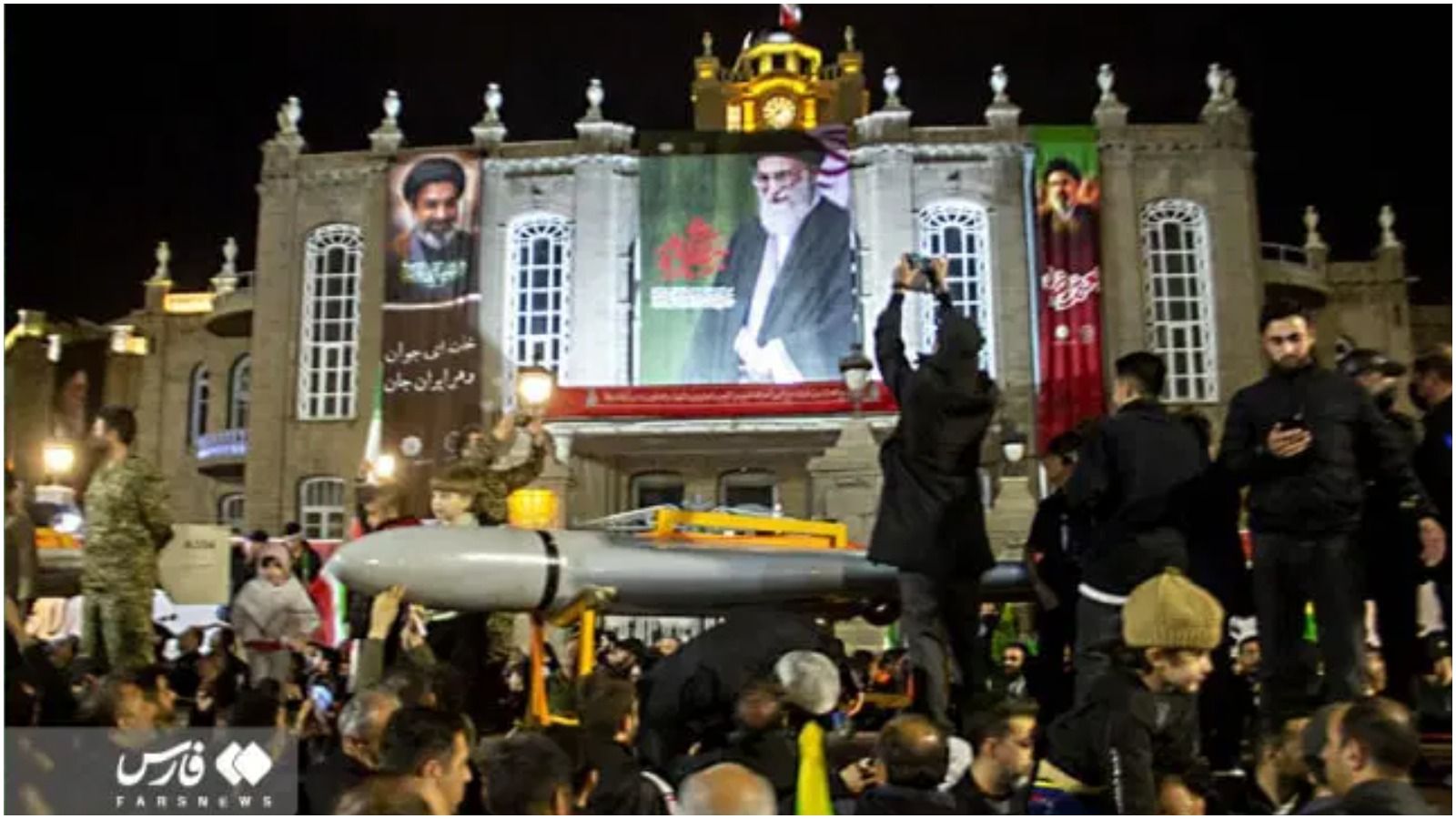

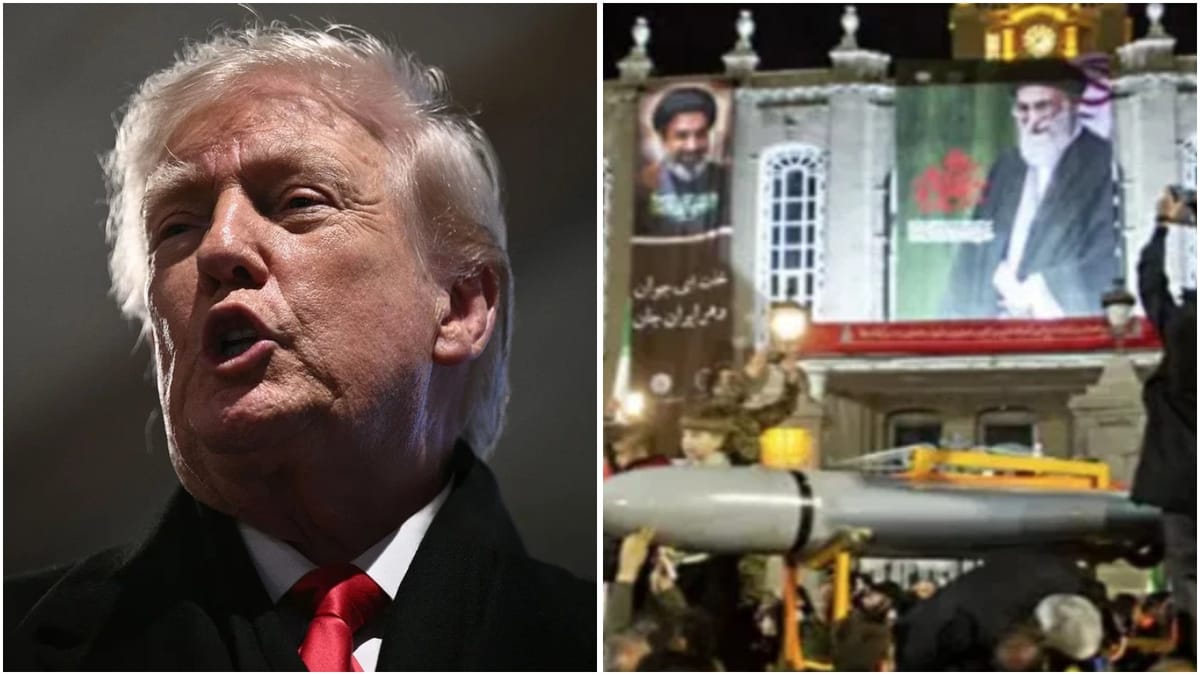
U.S. Energy Secretary Chris Wright confirmed the success in an interview with CNN: "Our transits through the strait are averaging more than 9 million barrels per day. The Iranians are still causing trouble, but the U.S. Navy is winning this battle." Wright also addressed the nuclear issue, stating emphatically: "We'll simply continue to destroy their capabilities to develop nuclear weapons. An agreement may have to wait for the next Iranian government."

While Washington hopes the pressure will lead to Iranian capitulation at the negotiating table, Tehran is signaling an escalation in rhetoric instead, including:

  1. Threats of retaliation: Ghalibaf warned that "any attack against Iran's interests and security will henceforth be met with a faster, harder, and more painful response."
  2. Agreements and restricted zones: Secretary of the Supreme National Security Council Mohsen Rezaei announced that in the coming days a "restricted movement zone" will be declared outside the Strait of Hormuz, encompassing areas in the Gulf. Additionally, he revealed that Tehran is close to signing an agreement with Oman for joint control of the strait.

Rezaei made clear that Iran "reserves the right" to respond to last Tuesday's extensive American strike, which among other targets hit a wedding in the southern city of Sirik.

Despite attempts to project business as usual, and notwithstanding Iranian Economy Minister Ali Madanizadeh's assurances that "the regime is preparing to deal with economic pressure through reforms"—the distress on Iranian streets is palpable.

In an unusual move indicating pressure on public coffers, the Iranian government announced a dramatic fuel price increase for "heavy consumers." Despite Tehran's significant fear of igniting mass protests like those that erupted in 2019, starting tomorrow gasoline prices will double (from 50,000 to 100,000 rials per liter) for any citizen consuming more than 110 liters per month.

Ready for more?

Join our newsletter to receive updates on new articles and exclusive content.

We respect your privacy and will never share your information.

Enjoyed this article?

Yes (34)
No (1)
Follow Us:

Unmissable content


Loading comments...

Also of Interest