Get our mobile app
Download on the App StoreGet it on Google Play

Iran Under Pressure

Iran Faces Severe Fuel Shortage Crisis

Long lines at gas stations reflect growing economic pressure on Tehran regime, as American maritime blockade and attacks on refineries create shortages. Authorities fear public unrest similar to 2019 protests over fuel prices.

Tehran

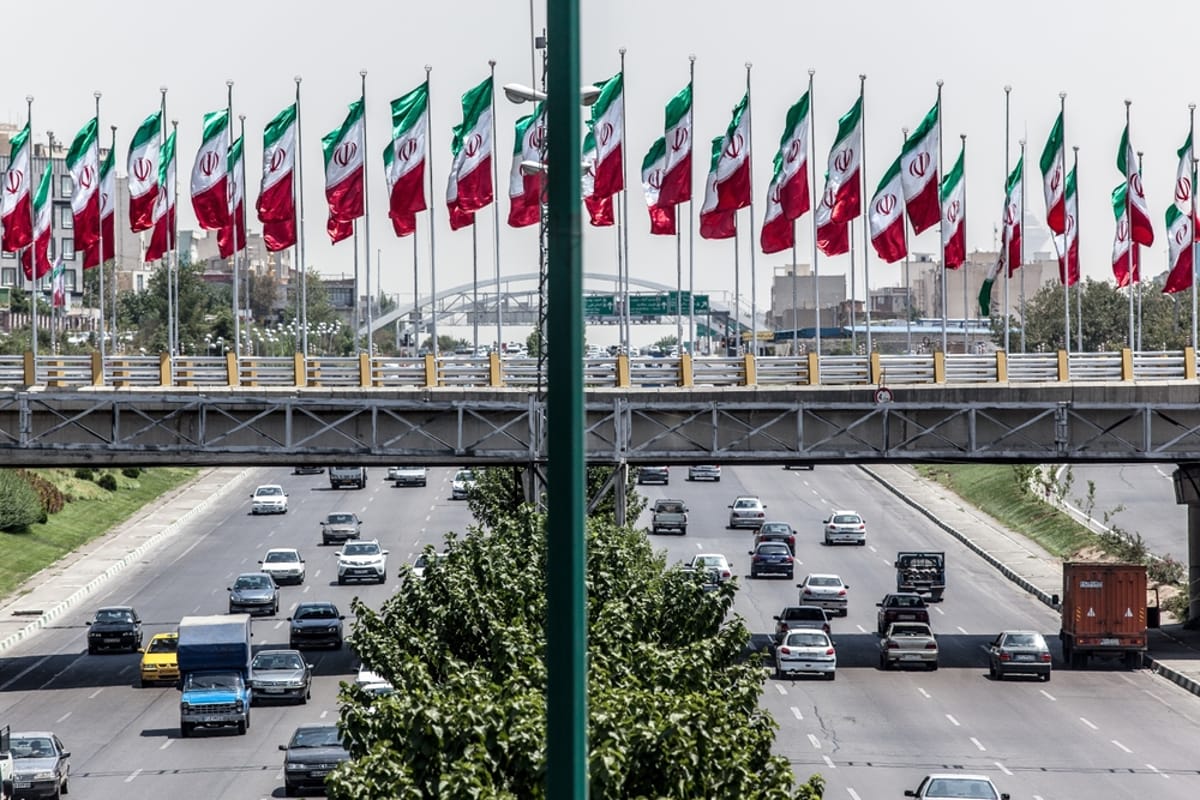
Massive queues of vehicles waiting hours to refuel have become a common sight across Iran in recent weeks, according to a report in The New York Times.

The acute fuel crisis stems from a combination of ongoing military conflict, strikes on energy infrastructure, and a tight U.S. naval blockade of southern ports. Tehran's government faces a difficult dilemma: it fears that reducing subsidies and raising fuel prices could trigger widespread public protests.

The Times gathered testimony from residents in major cities including Tehran, Isfahan, Mashhad, and Bandar Abbas, all describing heavy congestion at gas stations operating at reduced capacity.

Rayhana, a 30-year-old unemployed teacher from Mashhad, described the situation: "Even when you pass through the streets around midnight, like two or three in the morning, you'll see huge lines of cars standing and waiting." Another resident, Soheil, an engineer from Isfahan, noted that "even here, the lines at gas stations are getting longer and longer."
Despite possessing enormous crude oil reserves, Iran's domestic refining capacity cannot meet high local demand. The shortage, estimated at slightly more than one-tenth of daily consumption, was previously covered through organized imports, but these have been almost completely halted due to the naval blockade. Simultaneously, domestic production has dropped sharply following strikes that caused severe damage to refineries, including an attack on a major oil storage facility west of Tehran in June.

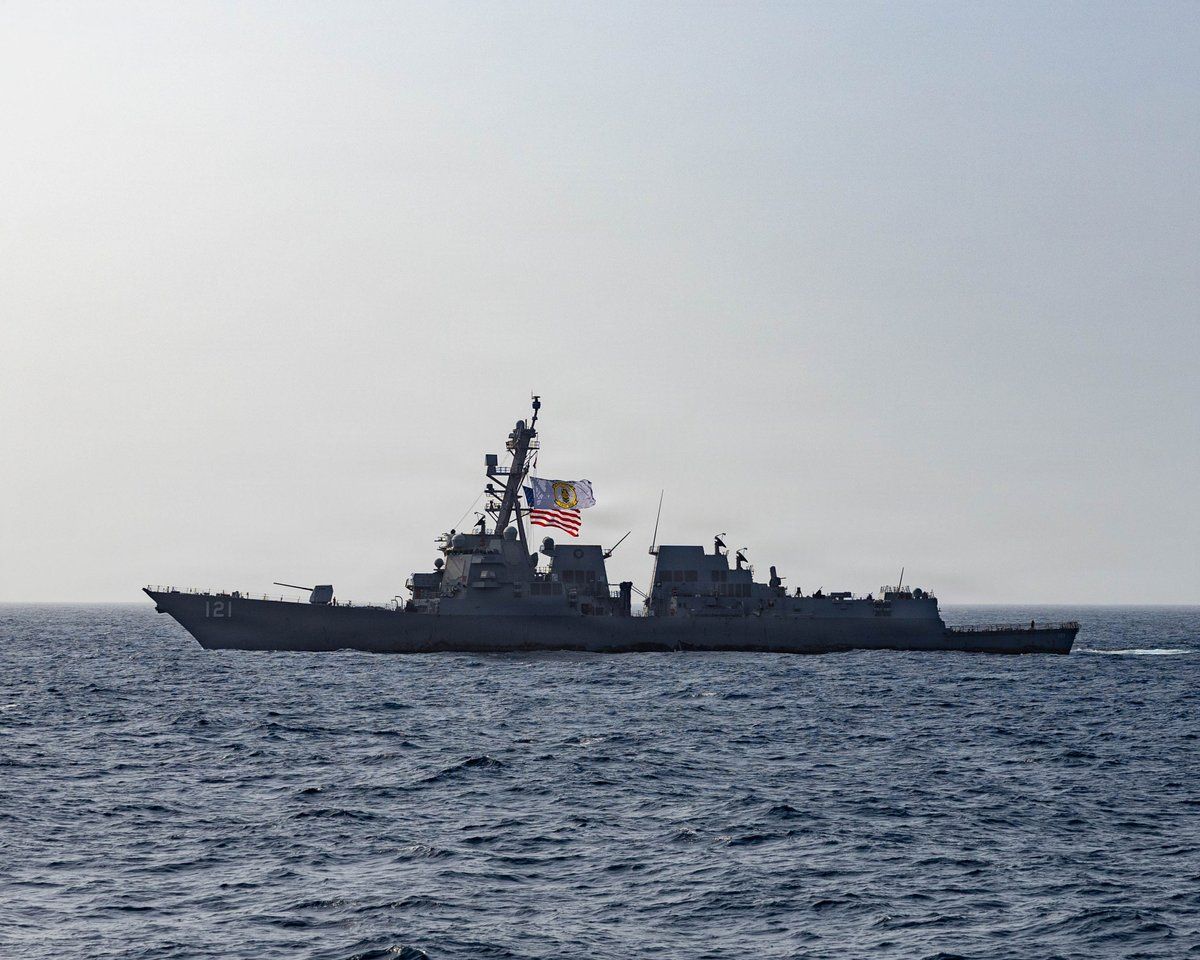
The current crisis deepens the severe economic distress facing citizens, who are contending with an inflation rate that has reached 80 percent compared to the same period last year. The mounting pressure is accompanied by widespread unemployment and serious disruptions to internet services. The American naval blockade, aimed at reducing Iranian control over the Strait of Hormuz, has been accompanied by new sanctions imposed this week on entities connected to the Islamic Republic's energy transport.

The U.S. in the Strait of Hormuz
The U.S. in the Strait of Hormuz (U.S. Army CENTCOM)

Tehran's dilemma is particularly acute given memories of previous protest waves, such as the one that erupted in 2019 following a spike in gasoline prices.

Iranian economist Amirhossein Khaleghi explained the scale of the crisis: "When the government has no legitimacy and sufficient resources, and especially in the middle of a war, the question is how can we continue in the current situation when we no longer have the resources to sustain it." Parliament Speaker Mohammad Bagher Ghalibaf argued that raising prices would be a mistake that the enemy would exploit to create unrest.

Political leaders are attempting to project strength while partially acknowledging the difficult reality imposed on citizens. President Masoud Pezeshkian said in an interview with state television: "We are facing war. The enemy attacked our oil and gas resources, and our production has declined. We stand firm in the war, but we must help increase the nation's resilience." Pezeshkian noted that he refrains from turning on lights in his office and uses only a fan, warning that "if we raise the price of gasoline rashly, we will create problems for people."

Supreme Leader Ali Khamenei also addressed the situation, calling for internal unity in the face of international pressure and ongoing shortages. In remarks he delivered, he warned against internal division that could serve foreign actors, emphasizing: "This servant advises all members of the nation not to allow any dispute to arise between themselves under any circumstances." Khamenei called on the administrative ranks not to publicly highlight the regime's weaknesses so as not to strengthen adversaries' positions.

Alongside the war and blockade, the crisis is exacerbated by long-standing infrastructure problems in the country. Low fuel prices encourage widespread smuggling of subsidized gasoline to neighboring countries, a phenomenon authorities have failed to eradicate. Additionally, increased reliance on private vehicles stems from a lack of efficient public transportation systems. Economic commentator Reza Ghayebi summarized: "Measures such as changing fuel quotas will best change the way the shortage is distributed, not the shortage itself."

Ready for more?

Join our newsletter to receive updates on new articles and exclusive content.

We respect your privacy and will never share your information.

Enjoyed this article?

Yes (23)
No (1)
Follow Us:

Unmissable content


Loading comments...

Also of Interest