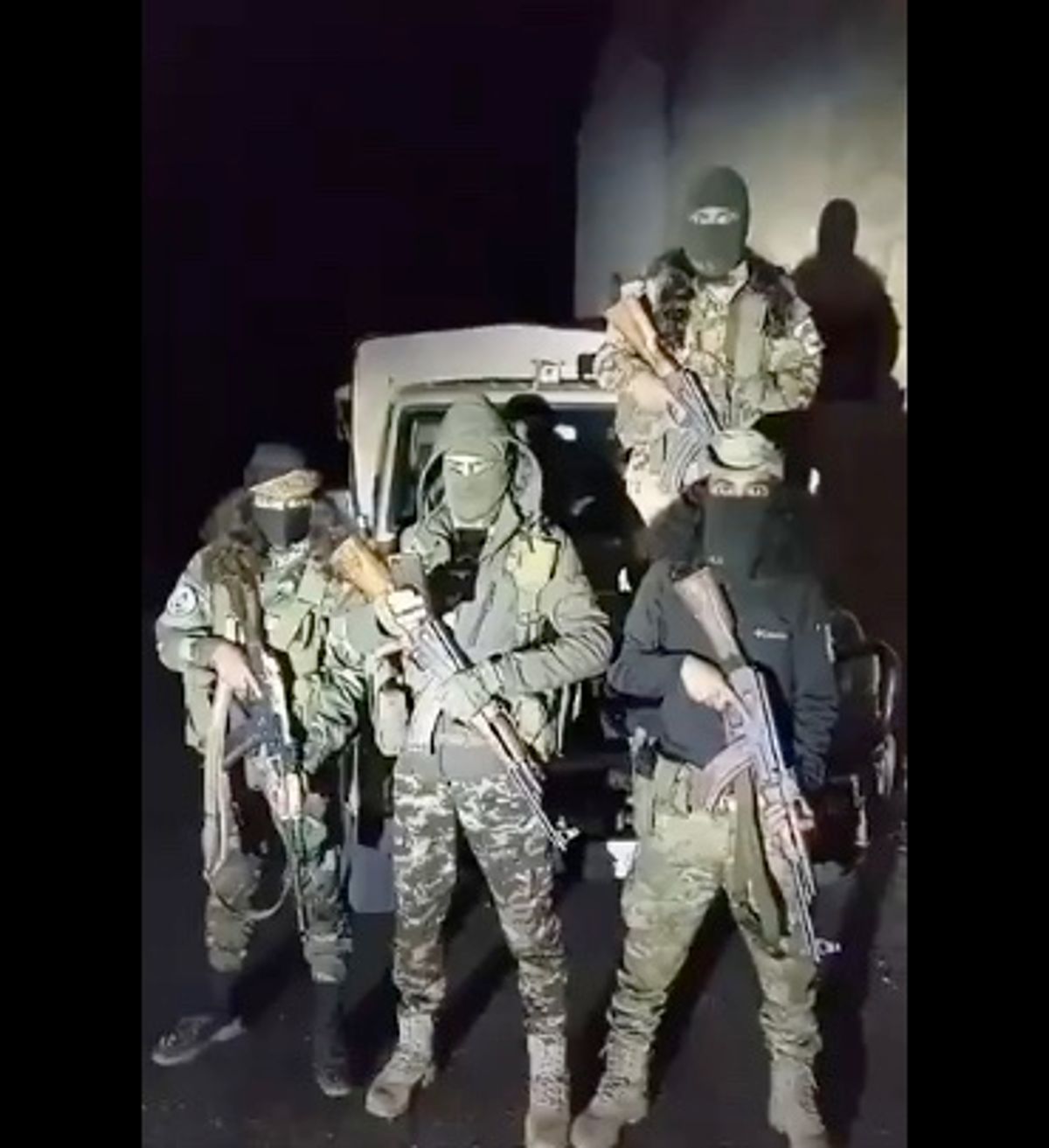
The clashes involved Druze gunmen and pro-government fighters, with some reports suggesting Sunni gunmen from nearby Maliha and other areas converged on Jaramana seeking revenge.
Syria’s Interior Ministry denied that armed groups attacked the town. He said that civilians angered by the recording protested and then Druze groups fired on them.
The Syrian Observatory for Human Rights and Suwayda24 reported casualties, with estimates ranging from 9 to 13 dead, including 6 Druze fighters and several attackers.
Late yesterday (Tuesday), a truce was brokered between government representatives and Jaramana dignitaries, promising to compensate victims’ families and pursue perpetrators, though past truces have been fragile.
Posts on X alleged that the new Islamist-led Syrian regime, dominated by Hayat Tahrir al-Sham (HTS), was launching a “genocidal campaign” against Druze communities, citing missile and mortar attacks. Others described ongoing reinforcements by both Druze factions and terrorist groups, warning of a potential massacre akin to earlier sectarian violence against Alawites last month.
The Druze community’s quick condemnation and Kiwan’s denial suggest that the video could be a fabricated pretext to inflame sectarian divides, also seen in Syria’s complex history of proxy conflicts. The involvement of HTS-affiliated forces, rooted in al-Qaeda’s former Syrian branch, encourages Druze distrust, as the group’s moderate rhetoric clashes with its radical past. Meanwhile, Israel’s repeated offers to “defend” the Druze have been rejected by Jaramana residents, who see them as opportunistic attempts to justify military expansion in southern Syria, especially given Israel’s occupation of the Golan Heights.
The clashes coukd have been part of a broader anti-Druze campaign by the “Islamist terrorist” regime. Conversely, the Syrian Interior Ministry’s claim of civilian protests rather than an armed assault downplays the violence, which eyewitnesses described as intense, with gunfire and shelling trapping residents indoors.
The truth likely lies in a messy middle: a mix of genuine outrage over the audio, opportunistic attacks by armed groups, and weak governance failing to contain escalating tensions.