The diplomatic framework aimed at resolving the intense maritime and land border friction in the Middle East has faced a difficult start during international mediation sessions in Washington. Conflicting territorial demands continue to hamper efforts to establish a stable security apparatus between neighboring states. As international mediators push for structured military withdrawals, deep political divides threaten to prolong the regional war.
The first day of bilateral talks between delegation teams representing Israel and Lebanon ended in Washington without any significant progress. Diplomatic sources described parts of the opening session as ugly due to the deeply polarized positions held by both military committees. The Israel Defense Forces and the Lebanese Army presented sharply clashing positions regarding the exact scope and initial starting points of a potential Israeli troop withdrawal from southern positions.
United States mediators are expected to restart the discussion sessions today following what multiple sources characterized as an unproductive opening round. Despite the severe tactical disagreements regarding border geography, Israeli officials attempted to downplay the diplomatic friction, acknowledging the clear policy differences but describing the overall atmosphere of the summit as pleasant.
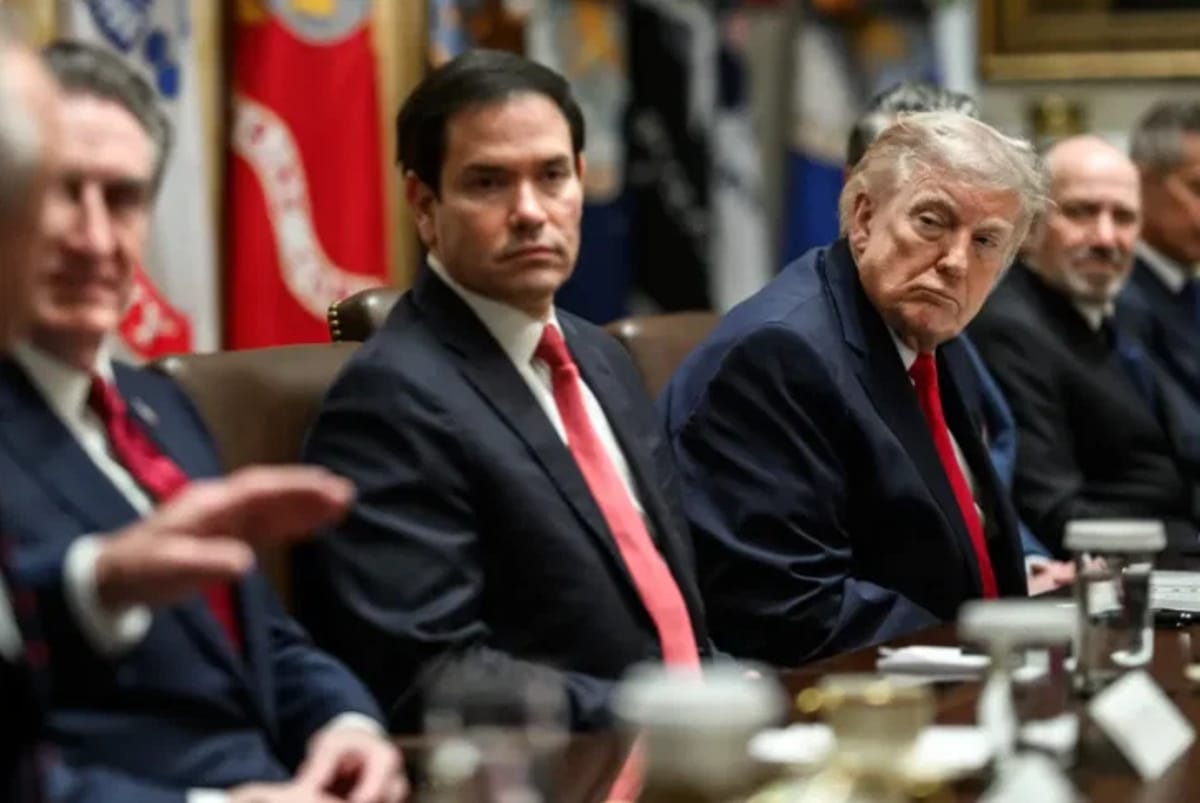
United States Secretary of State Marco Rubio addressed the underlying causes of the regional war, clarifying the parameters required for a complete cessation of hostilities. Rubio noted on Lebanon that the more land the Lebanese Army secures, the less Israel will be in Lebanon. He emphasized that the only reason Israel is in Lebanon is because Hezbollah launches missiles and drones from there, noting that the defense establishment has made that reality entirely clear.
The administration is actively working to implement a structured transition plan to restore state sovereignty over areas currently dominated by independent factions. Rubio revealed that the United States is working to establish a "pilot zone" where the Lebanese Army will incrementally begin taking over these zones one by one. This phased approach is designed to test the capabilities of national forces before expanding state control across the wider frontier.
The long term success of the initiative depends heavily on the domestic authority of the official government in Beirut. "We hope that the Lebanese armed forces and the legitimate, sovereign Lebanese government will continue to be able to control and secure more of their own territory - because that's who needs to control Lebanese territory, not a terrorist group like Hezbollah," Rubio stated. Mediators continue to pressure both sides to narrow their tactical gaps during the upcoming negotiation sessions.