
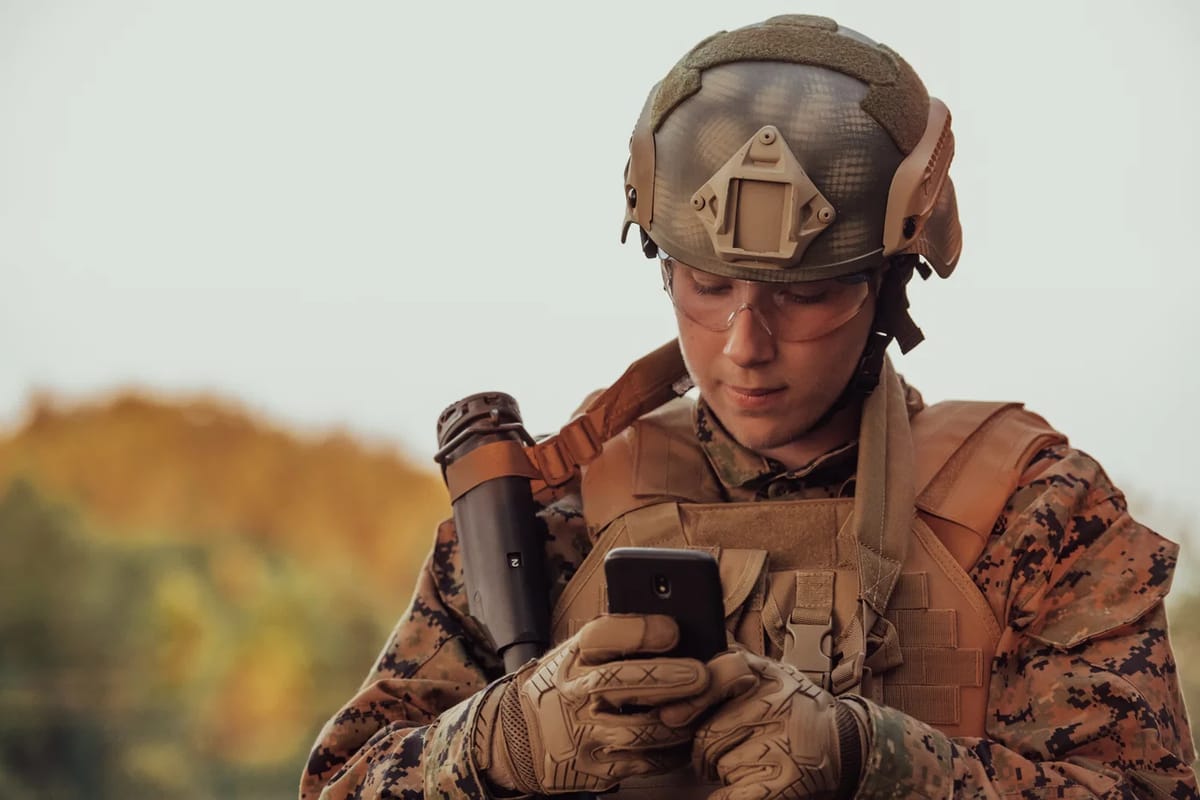
The US military has officially acknowledged that enemies are tracking and targeting American soldiers in active combat zones using location data that anyone can buy on the open market, in a revelation that has prompted a bipartisan group of lawmakers to demand urgent action from the Pentagon.
In a letter to Democratic Senator Ron Wyden, US Central Command confirmed it had received multiple reports of threats in which adversaries exploited commercial location data to track or target military personnel in its area of operations, which includes the Persian Gulf.
The data in question is typically collected by smartphone apps for advertising purposes and sold through data brokers to anyone willing to pay. Lawmakers warned in their own letter to the Pentagon that the information can be used to identify where American soldiers congregate and map their daily patterns, giving enemies the intelligence needed to direct missile strikes, drone attacks, roadside bombs, and counter-intelligence operations against them.
The congressional letter demanded three concrete steps: disabling unique advertising identifiers on military devices, blocking automatic location sharing on smartphones in combat zones, and removing Google's Chrome browser from all government devices in favor of more secure alternatives.
Representative Pat Harrigan, a former Special Forces officer, was among the most direct. Browsers like Chrome, he said, are "built from the ground up to collect and share user data," and every day they remain on government devices "is another day we are handing our enemies a weapon against our forces."
Google pushed back, saying Chrome has industry-leading security and that the company has long supported stronger rules and protections against data brokers that collect user information.
Senator Wyden said the revelations made clear it is time to treat the advertising technology industry as a national security threat, given how easily precise data on the movements of military and security personnel can be obtained.
The vulnerability is not theoretical. Location data of this kind has previously been used to track Special Forces operating in Syria and to map movements around US military bases in Germany.