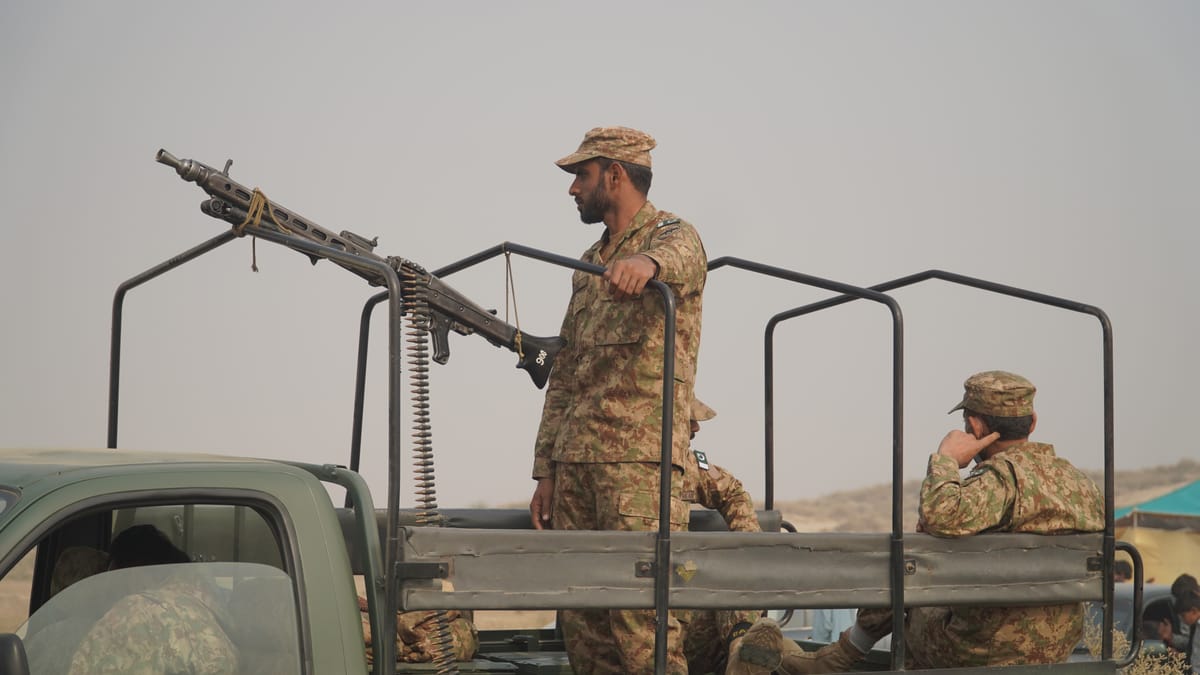
Pakistan has placed its military personnel and assets stationed in Saudi Arabia on high alert, drawing Islamabad closer to active involvement in the escalating conflict with Yemen's Houthi rebels.
The decision follows a dramatic breakdown of a multi-year truce, punctuated by recent Houthi ballistic missile strikes targeting southern Saudi Arabia.
Key Developments
- Elevated Readiness: While Pakistan has historically restricted its forces from offensive operations in Yemen, security sources indicate that Islamabad is now preparing robust contingency plans. This includes ramping up logistics and readiness for potential combat deployments specifically along the sensitive Saudi-Yemen border.
- The "Red Line" Warning: Senior Pakistani civil and military officials have reportedly communicated directly to Tehran, which backs the Houthi movement, that any direct attacks on Saudi territory constitute a "red line" and will be treated as an attack on Pakistan itself.
- The Breakdown of the Peace: The sudden escalation was triggered by a flashpoint involving an Iranian flight attempting to land in Houthi-controlled Sana'a. Following local runway strikes intended to block the aircraft, the Houthis retaliated by firing ballistic missiles into Saudi Arabia, shattering the fragile relative peace maintained since 2022.
The Scale of Pakistan’s Military Presence
Ready for more?
Ready for more?
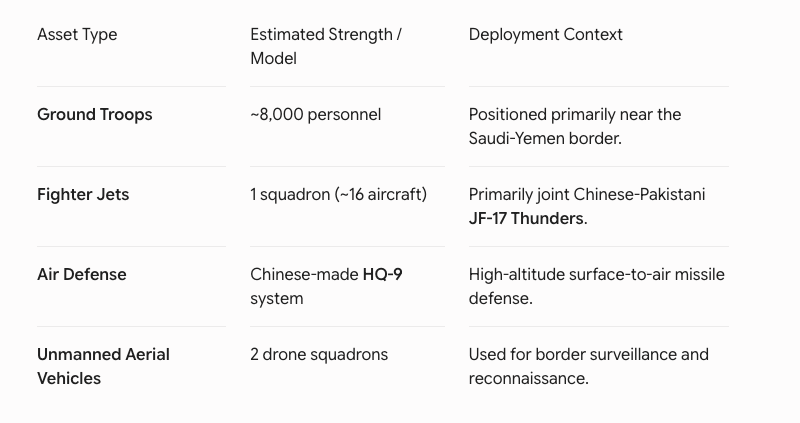
The active alert status spotlights the massive, once-confidential military footprint Pakistan has quietly established in the Kingdom.
Under a Strategic Mutual Defense Agreement signed in September 2025, Islamabad’s deployment currently includes: