

The United States Department of Defense has accelerated a highly secretive subterranean defense initiative aimed at neutralizing the most heavily fortified underground installations in the world. According to official program frameworks released by the Defense Advanced Research Projects Agency, known commonly as DARPA, military scientists are actively seeking novel materials and engineering breakthroughs to generate precisely controlled shockwaves. This advanced technological pivot is explicitly designed to bypass the physical limitations of traditional bunker busting munitions by creating short, ultra powerful bursts of energy capable of destroying strategic infrastructure buried deep inside mountain ranges.
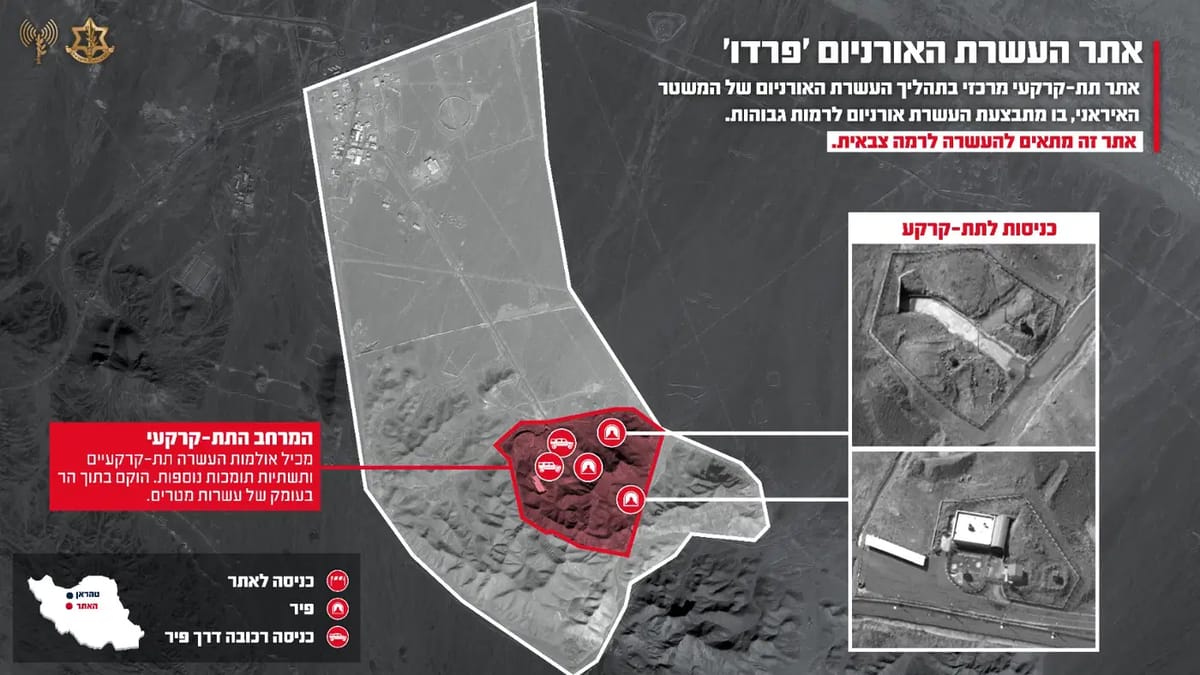
The urgent development comes as a direct response to a changing geopolitical landscape where nations like Iran and North Korea have adopted deep underground burial as their primary protective doctrine for atomic production lines, missile launchers, and heavy artillery networks. Historical operational data, stretching from the dense tunnel networks of the Vietnam War to modern multi front engagements, confirms that subterranean defense networks consistently present the most complex and frustrating obstacles for air force planners. Traditional deep penetration munitions rely entirely on immense mass and terminal gravity velocity to punch through rock layers, a model that faces extreme limitations when confronting the absolute depths utilized by contemporary nuclear states.
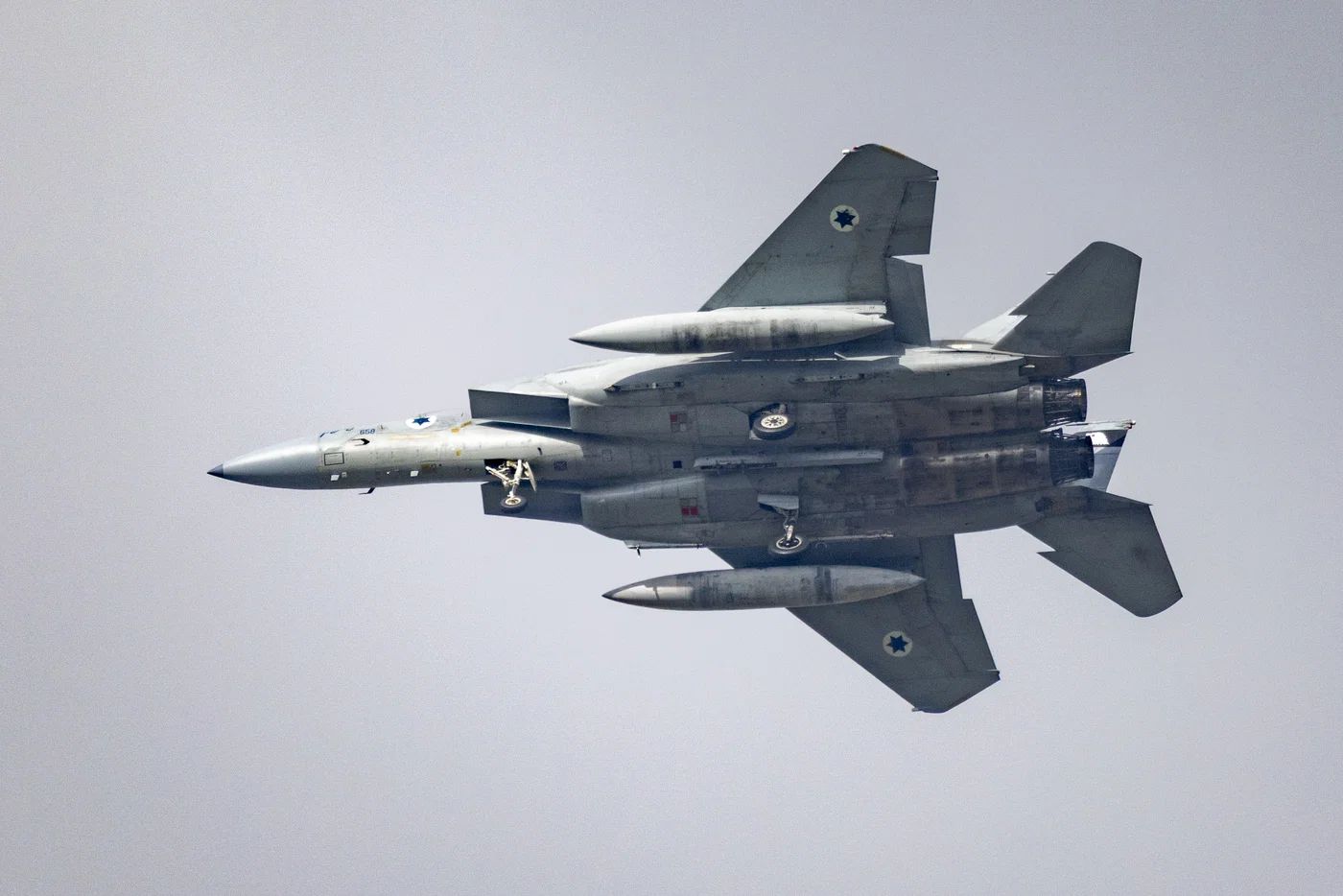
The primary operational benefit of the emerging shockwave matrix rests on its ability to fundamentally alter how tactical aircraft engage heavily fortified targets. Currently, the military relies on monstrous specialized assets like the GBU-57 Massive Ordnance Penetrator, a heavy weapon that weighs well over thirteen tons and requires large, cumbersome strategic bombers to deploy. By mastering the science of controlled subterranean kinetic shifts, engineers aim to deliver equivalent or superior destructive energy utilizing significantly smaller, lighter payloads. If successful, standard frontline fighter jets will gain the capacity to threaten deeply buried assets, granting commanders unprecedented operational flexibility across active war zones.
While the official DARPA planning document clarifies that the Pentagon does not intend to entirely retire its existing inventory of physical penetration bombs, the project represents an entirely different physical approach to structural destruction. Instead of attempting to drill manually through hundreds of feet of reinforced concrete and solid granite, the new technology focuses on manipulating wave dynamics to cause catastrophic structural failure from within the target itself. Defense industry insiders reveal that this scientific push gained immense momentum following tactical lessons extracted from Operation Lion's Roar and Operation Impregnable Shield against Iranian networks, where several deep targets remained entirely insulated from standard aerial bombardment.
As the research initiative transitions into its initial testing phases, geopolitical analysts suggest that the deployment of effective shockwave weaponry will permanently alter the strategic balance of power across the Middle East. Faced with a weapon that treats solid rock barriers as a conductive medium for destruction rather than a shield, adversarial regimes will be forced to completely re-evaluate their reliance on subterranean architecture. This reality would mandate the diversion of massive economic and engineering resources toward reinforcing sensitive assets against internal harmonic collapse, turning what was once considered an impregnable defense strategy into an unstable vulnerability.