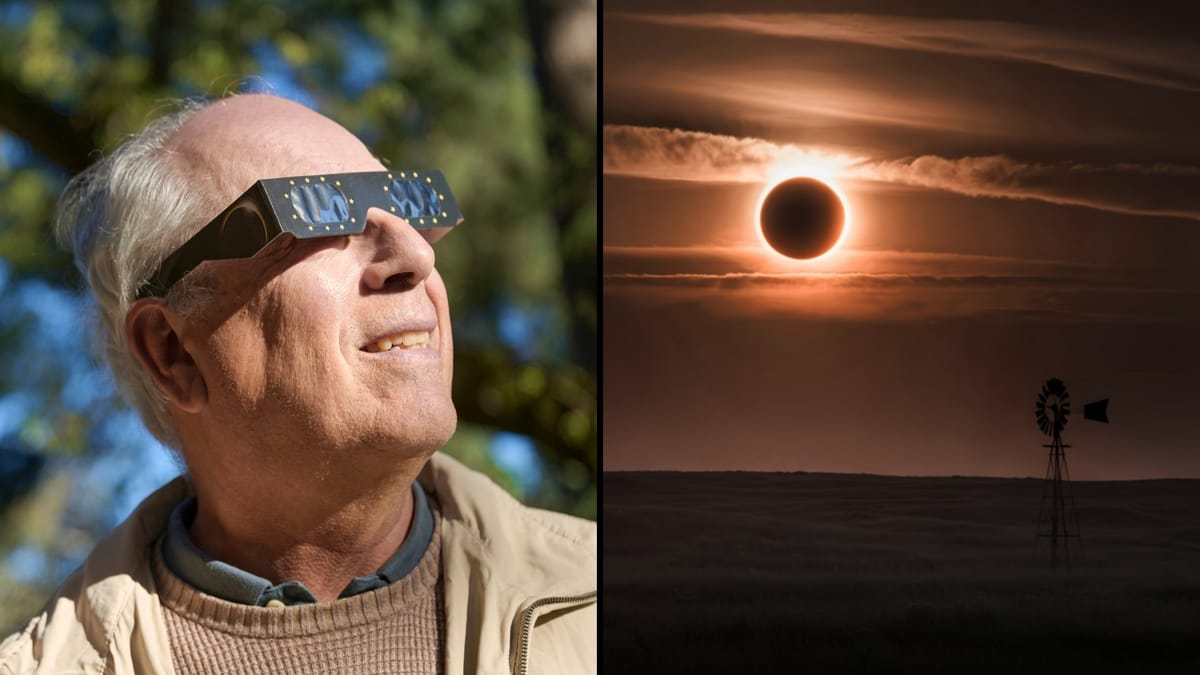
British internet users searched for "eye pain" at rates 650% higher than normal following last week's solar eclipse, raising concerns that many viewers watched the celestial event without proper eye protection.
Dr. Emil Corniawan, an ophthalmologist at OCL Vision, cautioned that even brief exposure to direct sunlight during an eclipse can cause serious harm. According to the specialist, looking directly at the sun—even for just a few seconds during a partial eclipse when only a sliver of the sun remains visible—can burn the retina at the back of the eye.
The condition, known as solar retinopathy, is particularly deceptive because retinal damage doesn't cause immediate pain. "People don't realize they've been injured until hours or even days afterward," Dr. Corniawan explained.
Warning signs following sun exposure include eye pain or redness, irritation, blurred or distorted vision, dark spots in the visual field, and sudden changes in eyesight. Anyone experiencing these symptoms should seek urgent medical attention.
The risk is not merely theoretical. Following the total solar eclipse of 1999, Britain's Royal College of Ophthalmologists documented approximately 70 cases of individuals who suffered vision problems after viewing the eclipse.