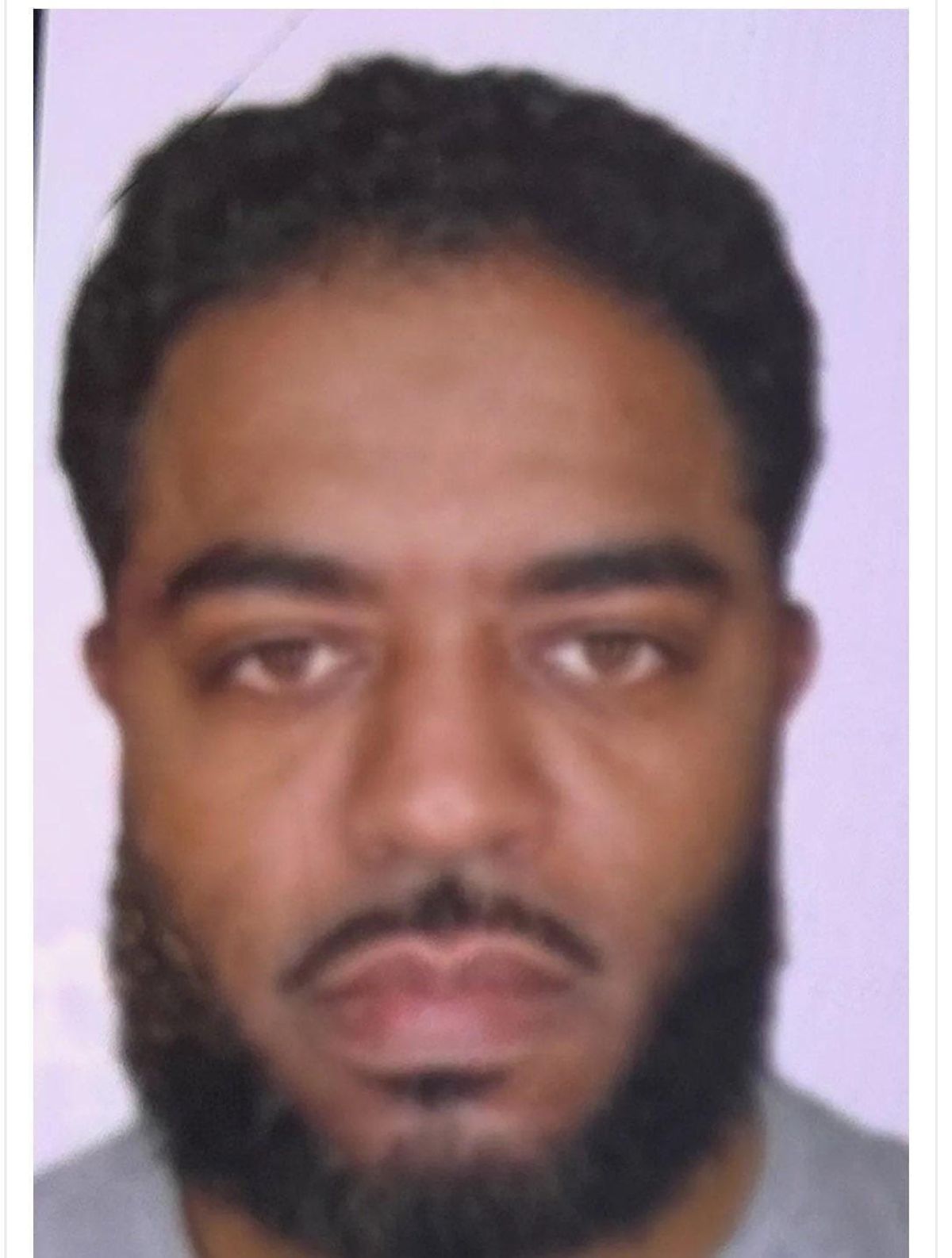
Investigators are now examining whether these ignored warnings could have prevented the tragic attack. The situation bears striking similarities to the case of Nidal Hasan, the Fort Hood shooter, whose alarming behaviors were also overlooked before he went on a rampage in 2009, killing 13 people and injuring 32 others in one of the deadliest mass shootings on a U.S. military base.
Concerning Behaviors of Nidal Hasan similar to Shamsud-Din Jabbar that Went Unaddressed:
- Radical Statements: Hasan made public statements expressing support for Islamic extremist views, including justifying suicide bombings and suggesting that Muslim soldiers could pose a threat if deployed against fellow Muslims.
- Jihad Lectures: During a medical conference, Hasan gave a presentation that was supposed to focus on health but instead advocated for jihad and martyrdom in Islam.
- Contact with a Radical Cleric: Hasan corresponded with Anwar al-Awlaki, a known al-Qaeda-linked cleric, seeking guidance on the permissibility of killing U.S. soldiers.
- Signs of Radicalization: He openly defied military regulations by growing a beard and wearing traditional Islamic garb, actions that deviated from standard military protocol.
- Social Isolation: Hasan became increasingly withdrawn, expressing anger and frustration toward his colleagues and superiors, a sign of his growing radicalization.
- Online Extremist Activity: Authorities later discovered that Hasan had posted online in support of extremist ideologies under pseudonyms.
Despite these glaring red flags, Hasan’s behavior was largely ignored, with concerns over discrimination based on his religious and cultural identity playing a significant role in the failure to address his extremism. The situation now raises serious questions about whether similar failures occurred in the case of Jabbar, and if they contributed to the devastating attack in New Orleans.
Jewish breaking news contributed to this report.