Get our mobile app
Download on the App StoreGet it on Google Play

Security Crisis in France

France deploys army amid riots

Prime Minister Sébastien Lecornu acknowledges intelligence and deployment failures after weekend of looting and arson across major cities; suspect arrested in historic town hall fire; bond markets react as unrest deepens ahead of Saturday protests

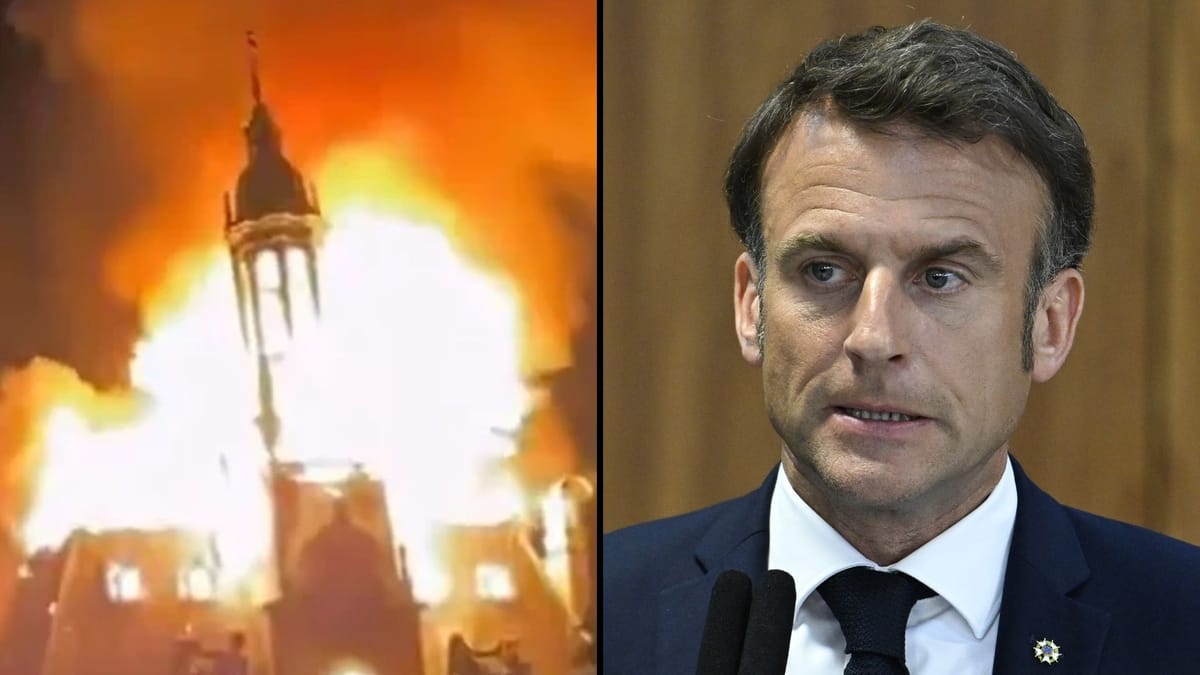
Right: President Macron; left: town hall building ablaze during riots

France is preparing for a large-scale security operation following the wave of riots and looting that swept the country over the weekend: the government announced that alongside a significant reinforcement of police forces, army units will also be deployed ahead of further protests expected on Saturday. At the same time, the prime minister and police leadership admitted to failures that allowed the violence to spread across major cities.

Prime Minister Sébastien Lecornu stated that the security operation planned for Saturday will be extensive, emphasizing that the immediate task is to restore public order after the riots that erupted on October 17 in Paris, Marseille, Lyon and other cities.

Interior Minister Laurent Nuñez announced that the army will operate alongside police forces. The decision came against a backdrop of sharp public criticism, after many city centers were left exposed to looters and rioters, with security forces struggling to control the situation.

"I Accept Responsibility"

Lecornu blamed the riots on far-left elements, framing the situation as a choice between violence and the republic. Opposition figures on the left countered that the government had ignored public anger over the cost of living and deteriorating public services.

But criticism of the authorities' handling came not only from the opposition. Lecornu admitted that the state failed in several key aspects of its preparedness: intelligence did not provide adequate response, police deployment was rigid rather than flexible, and authorities erred in not canceling scheduled police leave ahead of the weekend.

Interior Minister Nuñez expressed regret over the failures, saying: "I am very sorry for what happened. I accept my share of responsibility."

After a relatively quiet night, authorities extended the local curfew in areas affected by the riots until Tuesday night. In some locations, restrictions were also imposed on minors under 18. Government officials claimed the measures helped restore control and prevent further outbreaks.

The scale of destruction has led to the opening of a broad investigation. The French parliament is establishing a commission of inquiry to examine the circumstances of the riots, while approximately 200 investigators have been assigned to identify those involved in the violence, arson and looting.

A suspect was arrested on Tuesday in connection with the burning of the historic town hall building in Limoges, in central France, after the structure was destroyed by fire during the riots. According to authorities, the suspect was known to security services and appeared on a watchlist, and was affiliated with a far-left group.

The use of social networks and messaging applications has also raised concerns. Member of Parliament Sylvain Maillard claimed that some applications effectively became a communication system for rioters and looters, enabling them to coordinate their activities.

The riots are already exacting a heavy economic toll. The Carrefour supermarket chain reported losses of tens of millions of euros from theft and damage, describing the situation as unprecedented.

The French bond market also reacted to the crisis: yields on ten-year government bonds rose to their highest level since 2002, amid fears of continued instability and its economic implications.

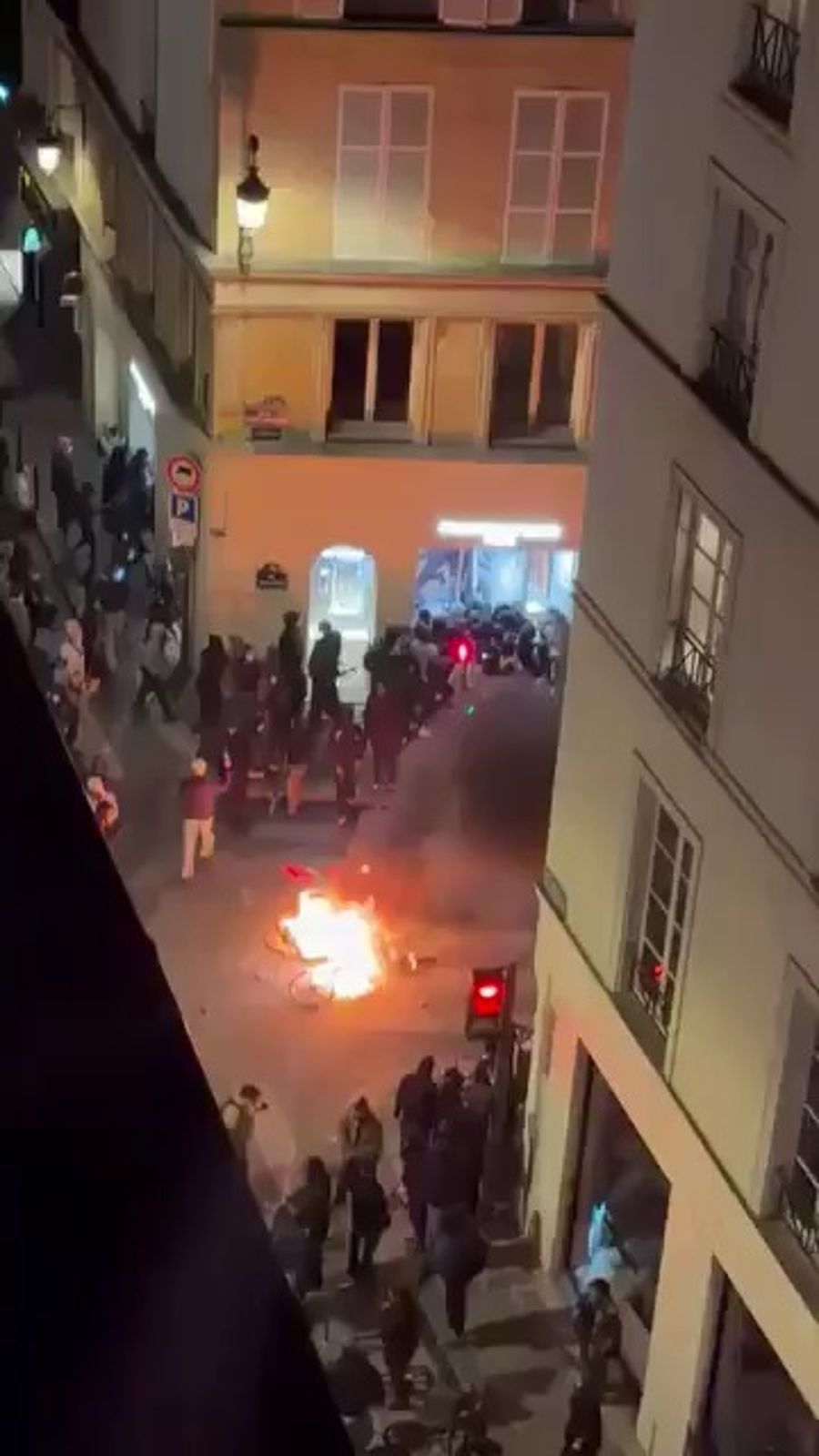
Looters attacking shops in France
Looters attacking shops in France (Photo: Social media)

Despite the reinforcement of security forces and the imposition of curfews, the protests are far from over. France's main student organization, UNEF, has called for further demonstrations on Saturday and pledged to continue pressuring President Emmanuel Macron's government. The organization is protesting what it describes as deterioration in the education system and budget shortages.

Meanwhile, groups associated with the "Yellow Vests" movement have called for protest actions following fuel price increases. The movement, which burst into public consciousness in 2018 protesting plans to raise fuel taxes, has been largely inactive in recent years. In the past, its protests led to prolonged road blockades and forced the government to grant significant economic concessions.

The riots are occurring less than a year before France's presidential elections, at a time when candidates from the far right and far left are gaining significant support in polls. Now, alongside the attempt to restore security to the streets, the government faces a significant political and economic test.

Ready for more?

Join our newsletter to receive updates on new articles and exclusive content.

We respect your privacy and will never share your information.

Enjoyed this article?

Yes
No
Follow Us:

Unmissable content


Loading comments...

Also of Interest