The United Nations' maritime agency said Tuesday that a large-scale operation is underway to evacuate approximately 11,000 stranded seafarers through the Strait of Hormuz, one of the world's most critical shipping routes.
The International Maritime Organization (IMO) announced the plan as regional tensions continue to test a fragile ceasefire following last year's U.S.-Iran war.
IMO Secretary-General Arsenio Dominguez said the operation would be carried out in coordination with Iran, Oman, other coastal states in the region, the United States and the maritime industry.
"This large-scale operation will be carried out in close cooperation with Iran, Oman, all other coastal states in the region, the United States and the maritime industry," Dominguez said in a statement.
He added that the agency had secured safety guarantees and verified navigation conditions necessary to support the evacuations.
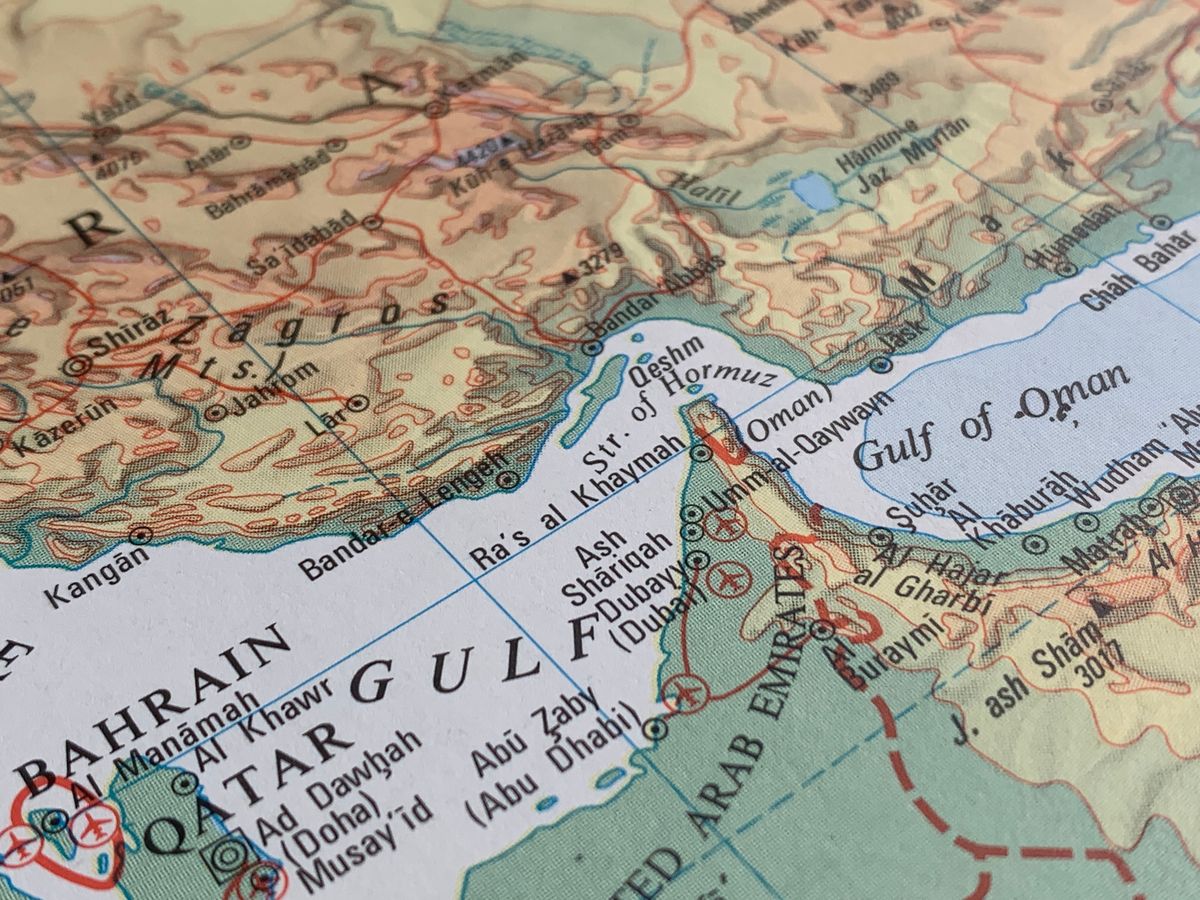
The announcement included guidance issued by Oman for vessels transiting the Strait of Hormuz, the narrow waterway connecting the Persian Gulf to global shipping lanes. Before the conflict, roughly one-fifth of the world's traded oil and natural gas passed through the strait.
The evacuation effort comes amid uncertainty over the status of the waterway. Iran has said it again closed the strait following renewed fighting between Israel and the Iran-backed Hezbollah movement in Lebanon, despite a ceasefire agreement reached earlier this week.
Meanwhile, diplomatic efforts to secure a permanent end to the U.S.-Iran conflict continued Tuesday, with American and Iranian officials publicly disputing whether Tehran had agreed to allow international inspectors access to bombed nuclear facilities.
Iranian Foreign Ministry spokesman Esmail Baghaei said U.N. inspectors were not scheduled to visit the sites targeted by U.S. strikes last year, contradicting comments made by U.S. Vice President JD Vance. President Donald Trump later insisted Iran had agreed to long-term inspections, saying such a commitment was necessary for negotiations to continue.
The International Atomic Energy Agency has not publicly commented on whether it will be granted access to the sites.
Shipping activity through the Strait of Hormuz remains below prewar levels. According to data and analytics firm Kpler, 39 vessels transited the strait on Monday. Before the conflict, approximately 100 ships crossed the waterway each day.
At the same time, violence flared again in southern Lebanon, where Lebanese authorities reported that two people were killed by Israeli fire near Nabatiyeh al-Fawqa. The Israeli military said troops fired on suspected Hezbollah operatives who entered a restricted security zone and ignored warning shots.
The incidents threatened to complicate ongoing diplomatic negotiations, as Iran has insisted that any broader agreement include a lasting ceasefire in Lebanon.