Get our mobile app
Download on the App StoreGet it on Google Play

War on Cartels

U.S. Strikes Drug Smuggling Boat at Sea

Southern Command conducts first kinetic operation in two months against fast boat trafficking narcotics as part of ongoing "Southern Spear" campaign

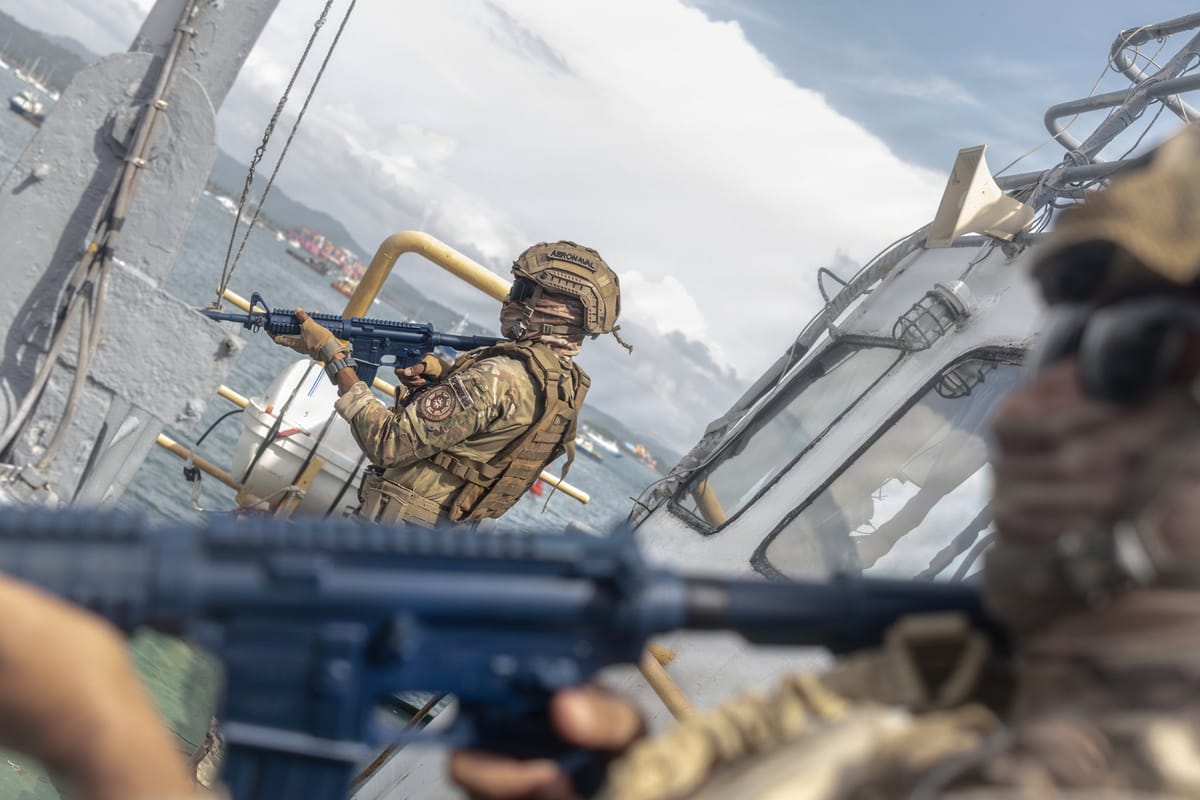
Operations of U.S. Navy commando forces
U.S. Navy SEALs
U.S. Navy SEALs (U.S. Southern Command)

The United States Southern Command announced Monday that a joint task force carried out a "lethal kinetic strike" against a vessel suspected of smuggling narcotics in Pacific Ocean waters. The operation, conducted along known trafficking routes, signals America's return to active offensive measures against drug cartels in the region.

According to released details, the target was a fast-moving, low-profile boat, a type of vessel specifically designed to evade radar detection and complicate tracking efforts. American intelligence definitively confirmed the boat was involved in intensive drug trafficking activity. Military officials stated that no casualties or damage were reported among U.S. forces executing the mission.
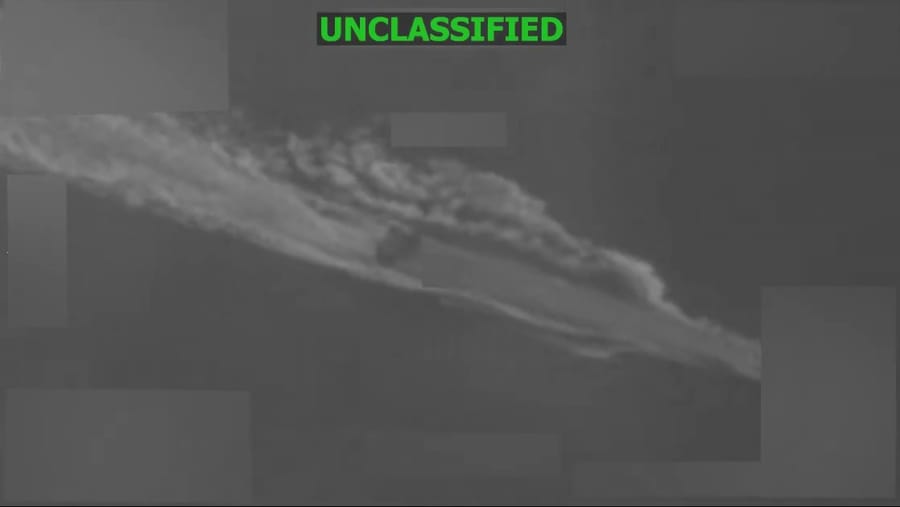

Interception of the ship on the high seas
Interception of the ship on the high seas (U.S. Southern Command)

The dramatic strike comes after a period of relative quiet in this sector, marking the first such operation in Pacific waters in more than two months. The previous strike in this area was conducted on June 21, and the region had seen relative operational silence since then.

However, the mission forms an integral part of the massive "Southern Spear" operation, which has been running at high intensity since September 2025. Under this operation, now one of the Pentagon's primary initiatives in the Western Hemisphere, dozens of suspected vessels have been destroyed and hundreds of individuals linked to cartels have been killed across the Caribbean and eastern Pacific regions.

Operation Southern Spear represents a strategic shift in American policy toward drug cartels. Rather than relying solely on arrests and seizures, the U.S. military has moved to direct strike operations aimed at disrupting smuggling infrastructure and deterring cartel leadership.

The Southern Command statement included a forceful quote from SOUTHCOM commander General Francis L. Donovan, who emphasized America's unwavering commitment: "We will continue to apply relentless, precise, and lethal pressure on drug networks attempting to threaten regional security. We will not relent until we break their smuggling corridors."

Security sources estimate that the decision to resume active and visible strikes sends a clear message to cartel leaders in South and Central America: American maritime oversight is tightening the noose around them, and the U.S. military has no intention of easing pressure.

The strike follows the arrest of Audias Flores Silva, known as "El Jardinero," a leading candidate to head the Jalisco cartel (CJNG) following the elimination of the cartel's founder. The dramatic arrest was carried out in a joint operation by Mexican special forces coordinated with American intelligence.

The latest American operation demonstrates Washington's renewed focus on combating drug cartels through direct military force rather than purely law enforcement measures. This approach, combining advanced intelligence with precise strike capabilities, poses a significant challenge to criminal organizations that have operated with relative freedom in Pacific waters for years.

Footage of the arrest of "El Jardinero", a senior figure in the Jalisco Cartel, during a joint operation involving the Navy (Marina), the Army (Defensa), the Federal Prosecutor's Office (FGR), the National Guard (GN), and the Secretariat of Security (Seguridad).

The heightened U.S. military activity in the region indicates that the war on cartels has entered a new phase. Experts assess that continued military pressure may lead to significant changes in the power map of criminal organizations in the area, but could also provoke violent responses from cartels feeling threatened.

Ready for more?

Join our newsletter to receive updates on new articles and exclusive content.

We respect your privacy and will never share your information.

Enjoyed this article?

Yes (12)
No (0)
Follow Us:

Unmissable content


Loading comments...

Also of Interest