Get our mobile app
Download on the App StoreGet it on Google Play

New climate research

Doomsday Glacier to melt for 150 years

New study finds Thwaites Glacier in West Antarctica will continue losing ice for at least a century and a half, even in an extreme scenario where ocean-driven melting stops entirely,  full collapse could raise global sea levels by 65 centimeters

Antarctic 'Doomsday Glacier' will Keep Melting for 150 Years Even if Warming Stops

A new study has found that the Thwaites Glacier in West Antarctica will continue losing ice for at least 150 years, even in an extreme scenario where ocean-driven melting stops completely.

The glacier, known as the "Doomsday Glacier," is considered one of the main risk points for global sea-level rise.

Researchers from the British Antarctic Survey and other academic institutions examined the glacier's behavior using three computer models in which they completely eliminated the effect of ice melting caused by ocean water. While the nearby Pine Island Glacier began to thicken and advance back toward its previous position, Thwaites continued to lose ice throughout the simulation period, though at a declining rate.
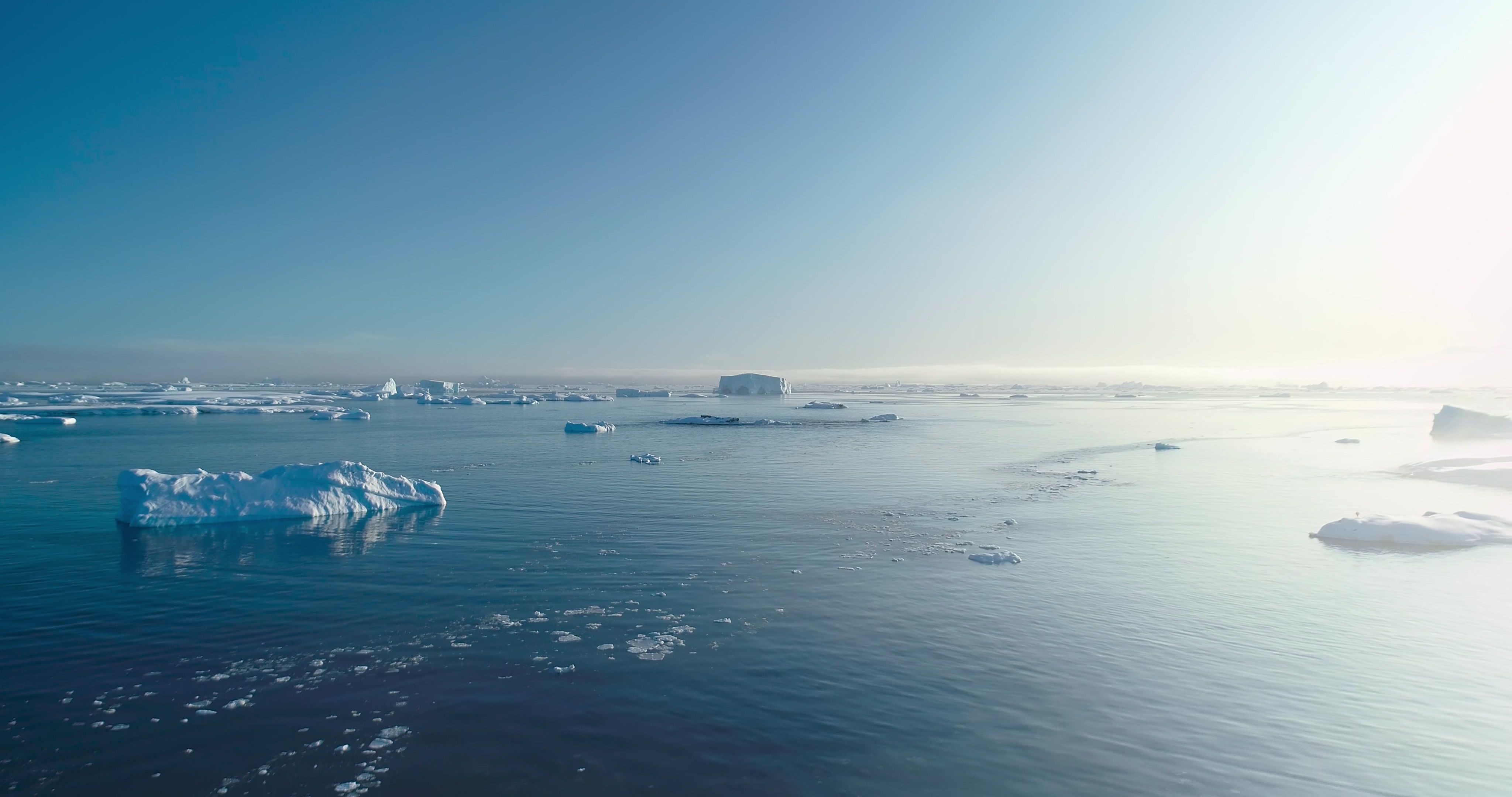

Melting glaciers, illustration
Melting glaciers, illustration (Photo: Shutterstock)

The findings indicate that the glacier continues to respond to changes that occurred in the past, and that its retreat may continue even without ongoing ocean melting. According to the researchers, cooling seawater alone will not be sufficient to reverse its ice-loss trend over a timeframe of hundreds of years.

The Thwaites Glacier contains enough ice that, if fully melted, could raise global sea levels by approximately 65 centimeters. The researchers emphasize that the findings do not mean the entire glacier will necessarily collapse, but that the current rate of ice loss may continue even under conditions that do not encourage further melting. They warn that reducing greenhouse gas emissions remains essential, alongside preparation for sea-level rise.

Ready for more?

Join our newsletter to receive updates on new articles and exclusive content.

We respect your privacy and will never share your information.

Enjoyed this article?

Yes
No
Follow Us:

Unmissable content


Loading comments...

Also of Interest