Get our mobile app
Download on the App StoreGet it on Google Play

Negotiations with Tehran

Trump: Strike on Iran "very unlikely"

President repeats assessment five times in CNN interview, says Tehran wants a deal so badly • Three carriers in region, target list prepared, but diplomatic track still open

Trump

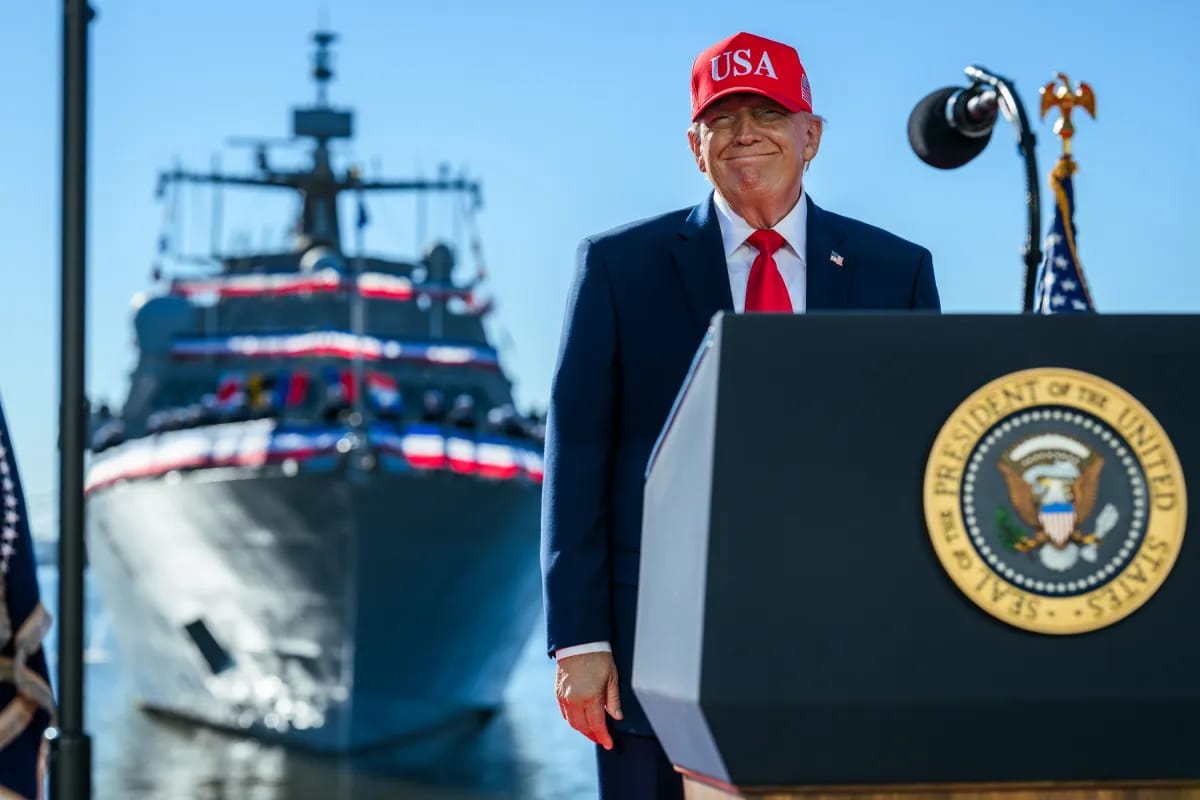
US President Donald Trump said Sunday he believes the chances of renewed military action against Iran are very low, as long as diplomatic contacts continue and Washington's demands are met. In a phone interview with CNN, Trump repeated his assessment five times that there would be no need to strike Iran again, but emphasized the military option remains available.

"It depends on whether they sign a very strong deal," Trump told CNN's Jim Sciuto. "The answer is it's very unlikely that will be necessary." The president explained that Iran is in a difficult economic and military position following the damage it sustained, and added that the US has already inflicted significant harm.

"They are fading economically. We hit them militarily, and we can eliminate them completely," he declared. The implication is that Washington currently prefers to exhaust the possibility of a diplomatic arrangement, primarily around Iran's nuclear program and the reopening of the Strait of Hormuz.

But eight months after the war broke out, the sides remain far from agreement, and the confrontation is in a state of relative stalemate, with no significant diplomatic progress and alongside Iranian attacks on oil tankers passing through the strategic strait.

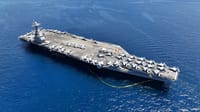
Trump made clear that despite his desire to avoid further escalation, the US military is fully prepared to resume fighting. According to him, three American aircraft carriers are in the region, and forces are ready to receive orders for action. "We're ready for it. I have three aircraft carriers here. The third one just arrived. They're all set and ready for action," he said.

The president also revealed that the US military has prepared a target list for strikes in case negotiations fail. Among other things, these include strategic infrastructure in Iran, including power stations and bridges. Trump claimed the US is capable of destroying 38 bridges in just one hour. However, he stressed he has no interest in reaching a situation where he would need to order the destruction of the country's infrastructure.

"I don't want to do that, because it will actually take them ten years to rebuild everything," he said. According to him, destroying bridges is a step he prefers to avoid, in part because rebuilding them is a complex and lengthy task.

At the same time, Trump provided an assessment of Iran's military condition following the American strikes. According to him, Iranian air defense systems have been destroyed, and the regime has only about ten percent of its original missile capability and about 15 percent of its drone capabilities remaining. He attributed the severe damage also to the destruction of a significant portion of the factories that were used to manufacture the missiles and drones.

On the diplomatic front, recent days have seen increased activity in an attempt to prevent a return to widespread confrontation. Qatar announced Friday that Trump spoke with its emir, Sheikh Tamim bin Hamad Al Thani, about efforts to calm the situation. At the same time, Iranian Foreign Minister Abbas Araghchi held talks with his counterparts in Saudi Arabia, the United Arab Emirates, Oman, Pakistan, Kuwait, Jordan, Turkey, Cyprus and Qatar.

According to a report in the British newspaper The Guardian, Qatar is trying to advance a diplomatic framework that would lead to the opening of the Strait of Hormuz and the resumption of international supervision of Iranian nuclear facilities. The framework proposes an exchange of steps: Washington would lift the naval blockade and release some of Iran's frozen assets, and in return Tehran would allow inspectors from the International Atomic Energy Agency to access nuclear facilities damaged in the strikes.

But in Tehran, not everyone is rushing to compromise. Hardline elements in the Iranian regime view the results of the recent US congressional elections, in which the war became one of the issues dividing the American public, as a sign of Trump's political weakening. In their assessment, the political pressure may increase the American president's willingness to be flexible in the framework of negotiations.

Nevertheless, Trump signals he does not intend to give up the military option if a deal meeting his demands is not reached. "I'll do it if necessary," he said, but again emphasized that in his assessment this scenario is not expected to materialize: "They want to reach a deal so badly."


Ready for more?

Join our newsletter to receive updates on new articles and exclusive content.

We respect your privacy and will never share your information.

Enjoyed this article?

Yes
No
Follow Us:

Unmissable content


Loading comments...

Also of Interest