Investigators are examining how the crew handled the weather conditions and why the aircraft, which had attempted to circumvent a large storm system, later found itself facing a smaller but rapidly developing storm cell.
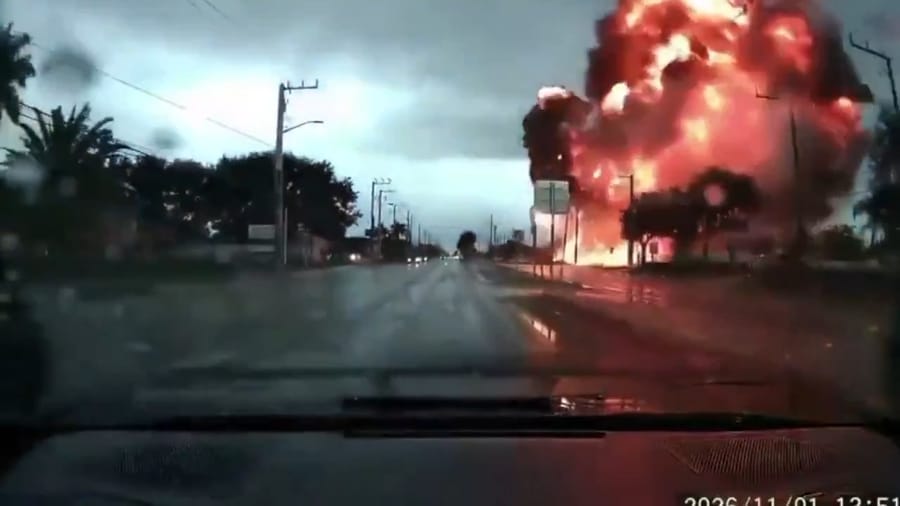
Another detail raising questions in the investigation is the discovery of parts from the aircraft's tail section—specifically the rear control surface known as the elevator—more than a kilometer from the main impact zone. The finding strengthens the possibility that the jet began breaking apart in mid-air before hitting the ground.
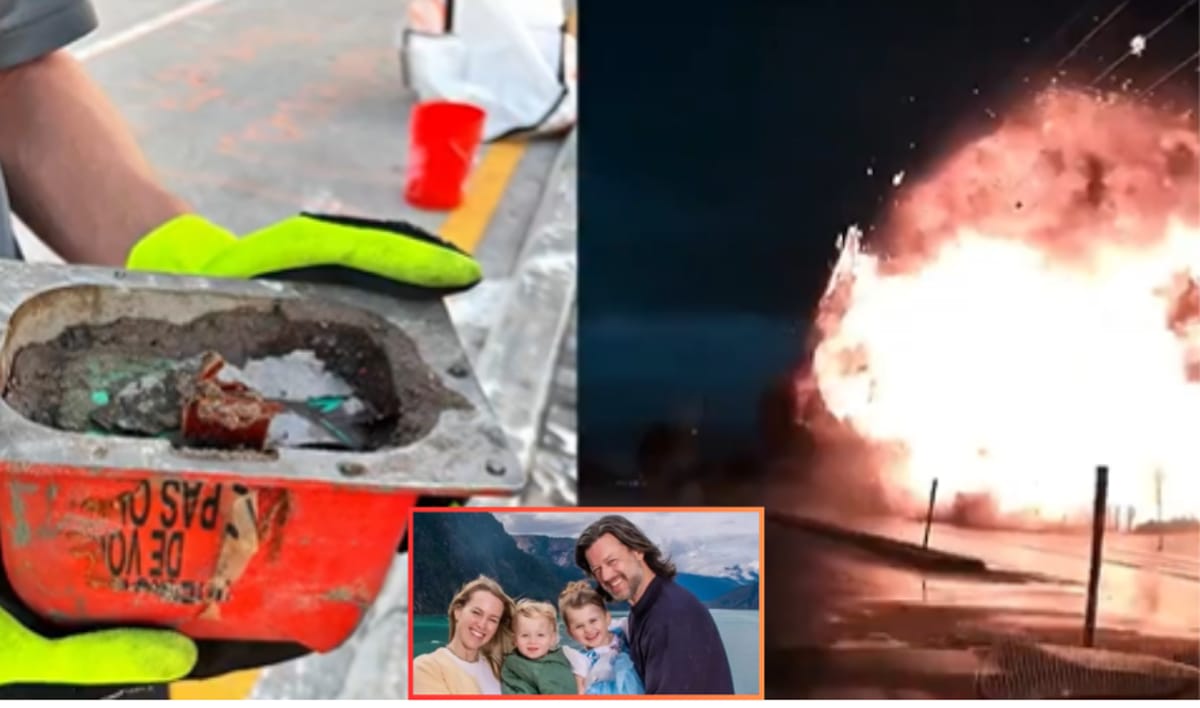
In recent days, investigators have collected debris from both wings, both engines, the cockpit, and other aircraft systems. Some of the wreckage has been sent to laboratories in Washington for analysis. The NTSB has announced that excavation work at the primary impact site has been completed after days of operations to recover aircraft remains.
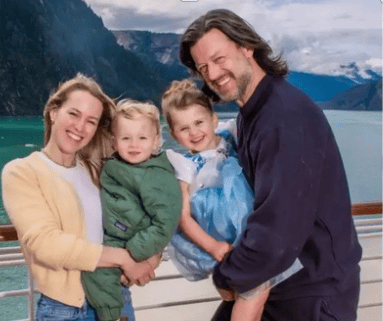
Among the nine victims were tech entrepreneur and businessman Adam Robinson, 44, his wife Helen Sharp, their two young children aged two and four, their nanny, and two family friends. The two flight crew members were also killed.
Investigators are now awaiting the results of the voice recorder examination. If the recording survived, it could provide a rare glimpse into the dramatic final moments inside the cockpit and help explain how a relatively routine flight turned into a deadly aviation disaster.