Get our mobile app
Download on the App StoreGet it on Google Play

Interim Deal Takes Shape

Mediators Push Interim US-Iran Deal

A reported framework would reopen the Strait of Hormuz and release frozen Iranian funds in exchange for limits on enrichment, while Israel's defense minister warns Tehran is trying to renew its nuclear push.

Blockade on Iran

Qatar and Pakistan are leading intensive mediation efforts toward an interim arrangement between the United States and Iran. International media reports, chiefly from Al Arabiya, say the emerging framework would cap Iran's uranium enrichment at 3.67%, release between $6 billion and $9 billion in frozen Iranian funds, reopen the Strait of Hormuz to commercial shipping and lift the American naval blockade on Iranian ports.

According to the reports, the framework would also return inspectors from the International Atomic Energy Agency (IAEA) to Iran, though the extent of their access to facilities has not been fully clarified. The 3.67% ceiling is the original level set under the 2015 nuclear agreement. The released funds already belong to Tehran but are frozen in the international financial system. In effect, the proposal is a compromise in which Iran would limit high-level enrichment, at least temporarily and on paper, in exchange for significant economic and diplomatic relief.

US President Donald Trump recently said that "there is currently no need for military action in Iran" and that "there is momentum to end the conflict." In an interview with CNN, Trump repeated five times his assessment that there would be no need to strike Iran again, while stressing that the military option remains on the table. "It depends on whether they sign a very strong deal," the president said.
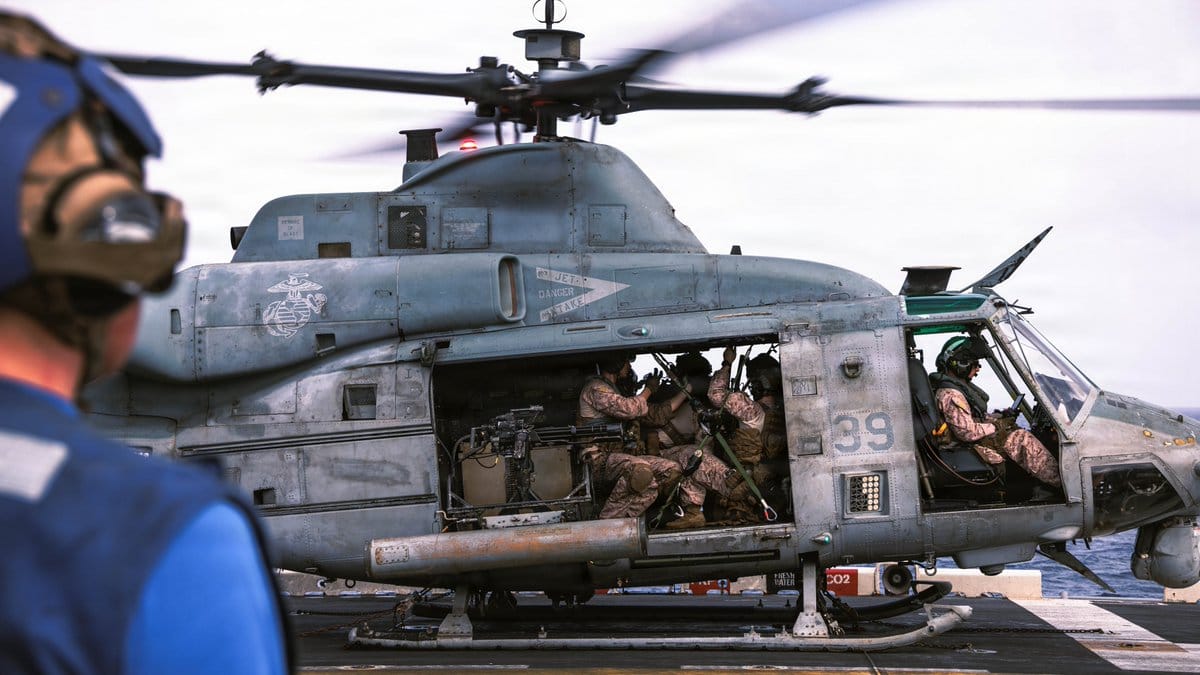
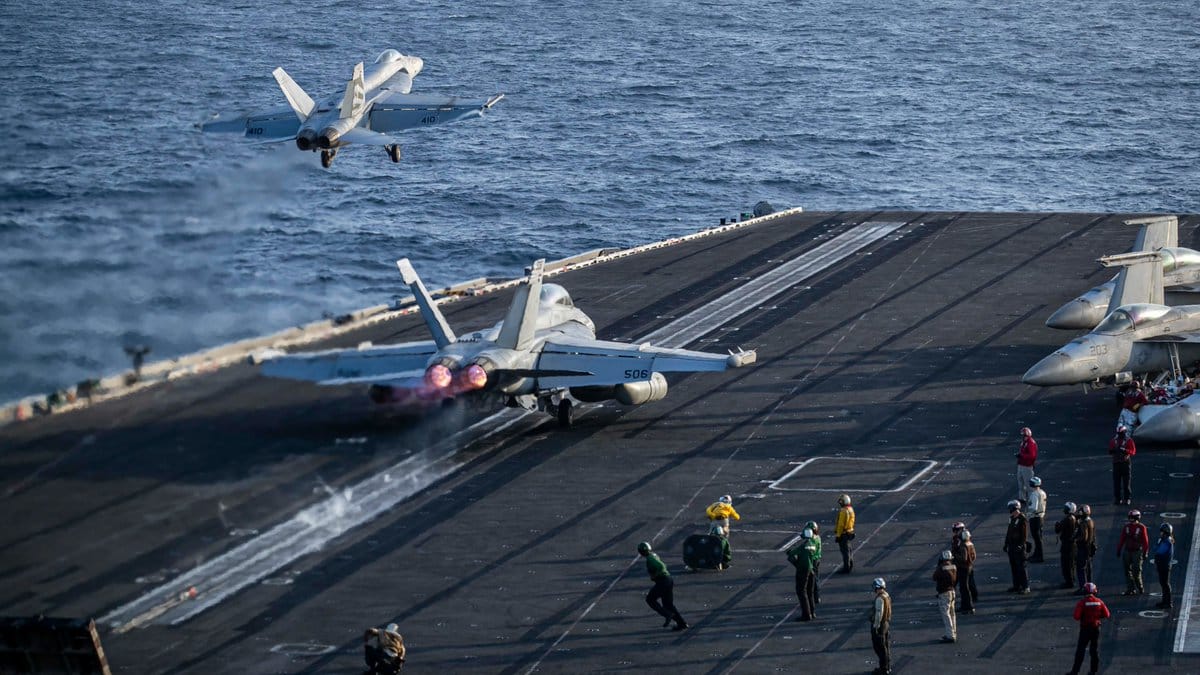
US forces in the Strait of Hormuz
US forces in the Strait of Hormuz (Photo: US Central Command (CENTCOM))

Significant gaps remain inside the administration. Vice President JD Vance is leading the diplomatic push, while other senior officials, including Secretary of State Marco Rubio, according to Kikar HaShabbat, warn against granting far-reaching economic relief without firm guarantees on the nuclear issue. Three main questions remain open. The first is who moves first, with Iran preferring relief up front and Washington demanding initial inspections. The second is what happens to Iran's stockpile of uranium enriched to 60%. The third is whether reopening Hormuz and lifting the blockade would come before a nuclear arrangement, alongside it or only after it.

Tehran's public messaging is mixed. Mohsen Rezaei, secretary of Iran's Supreme National Security Council, issued a sharply worded statement flatly denying Trump's claims that direct or indirect negotiations are taking place. "The war against Iran has already collapsed the American administration. But Washington continues to rampage like a desperate gambler," Rezaei wrote, calling on the United States to "surrender to the seven conditions Iran has presented again and again."

Iranian President Masoud Pezeshkian, however, said Supreme Leader Mojtaba Khamenei had ordered an end to the state of "no war and no peace" with the United States, and he expressed willingness to negotiate. Kikar HaShabbat said the apparent contradiction points to the complexity of Tehran's internal situation.

The outlet identified three factors behind the accelerated contacts. The naval blockade and the sharp drop in oil exports are crippling Iran's economy, and releasing billions of dollars, existing Iranian money rather than new funds, would give the regime room to maneuver and ease mounting domestic pressure. The prolonged conflict and rising energy prices have become a heavy political burden for the Trump administration, particularly after Republican losses in the midterm elections. And Qatar and Pakistan see preventing a wider war as a clear regional interest, since broad escalation would hit regional stability and the Gulf economies first.

The nuclear core of the deal turns on enrichment levels. Uranium enriched to 3.67% is suitable for civilian reactor fuel. At 20%, the distance to weapons-grade material narrows. At 60%, it is very close to military use, and 90% is generally considered weapons grade.

According to IAEA estimates, Iran currently holds about 440 kilograms of uranium enriched to 60%. The Americans are demanding that the stockpile be dealt with, either diluted or shipped out of the country. Iran firmly opposes removal and prefers dilution on its own soil under supervision. Kikar HaShabbat noted that even if future enrichment is held to low levels, without addressing the existing stockpile and without a full return of inspectors, the arrangement would amount to only a partial limitation.

A recent Western intelligence assessment published by Bloomberg indicates that Iran has preserved substantial military capability. According to the findings, the regime holds a ready arsenal of at least 1,700 ballistic missiles of various types, and its arms industry is producing about 50 new ballistic missiles a month, roughly half the pace before the fighting began.

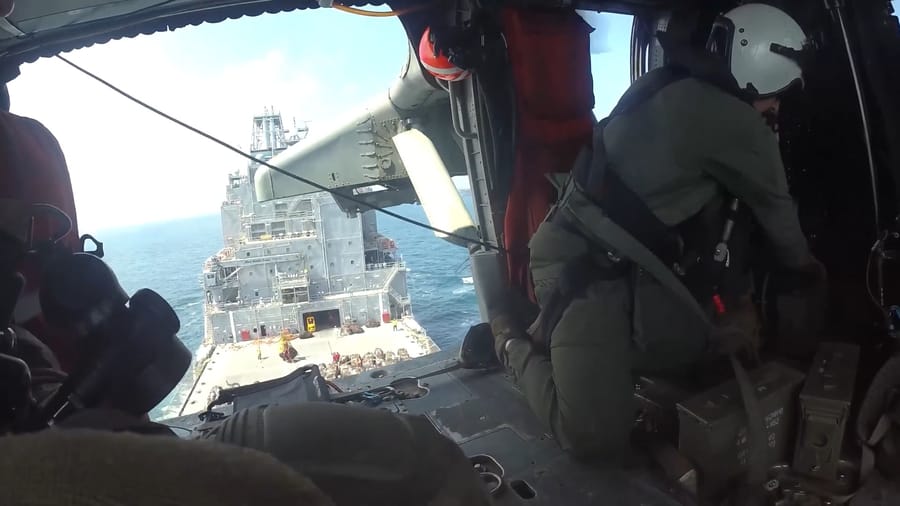
American troops in Hormuz
American troops in Hormuz (Photo: US Central Command (CENTCOM))

The Strait of Hormuz is a central bargaining chip. About a fifth of the world's oil and liquefied natural gas supply normally passes through it, and any disruption immediately affects global energy prices. For Iran, the strait is one of its strongest levers of diplomatic and economic pressure. For the United States, reopening it would restore trade, ease fuel prices and reduce the risk of a wider confrontation.

For Israel, the outlet argued, the framework carries serious strategic risks. Even with enrichment capped at 3.67%, Iran would not dismantle its facilities and would retain its knowledge, technology and infrastructure. The release of billions of dollars could free resources for Tehran's security apparatus and its proxies across the Middle East. Economic breathing room in exchange for temporary steps would also dissipate American pressure without addressing the root of the threat. Washington, Kikar HaShabbat wrote, is seeking immediate quiet and lower energy prices, while Israel needs absolute safeguards to keep Iran from becoming a nuclear threshold state.

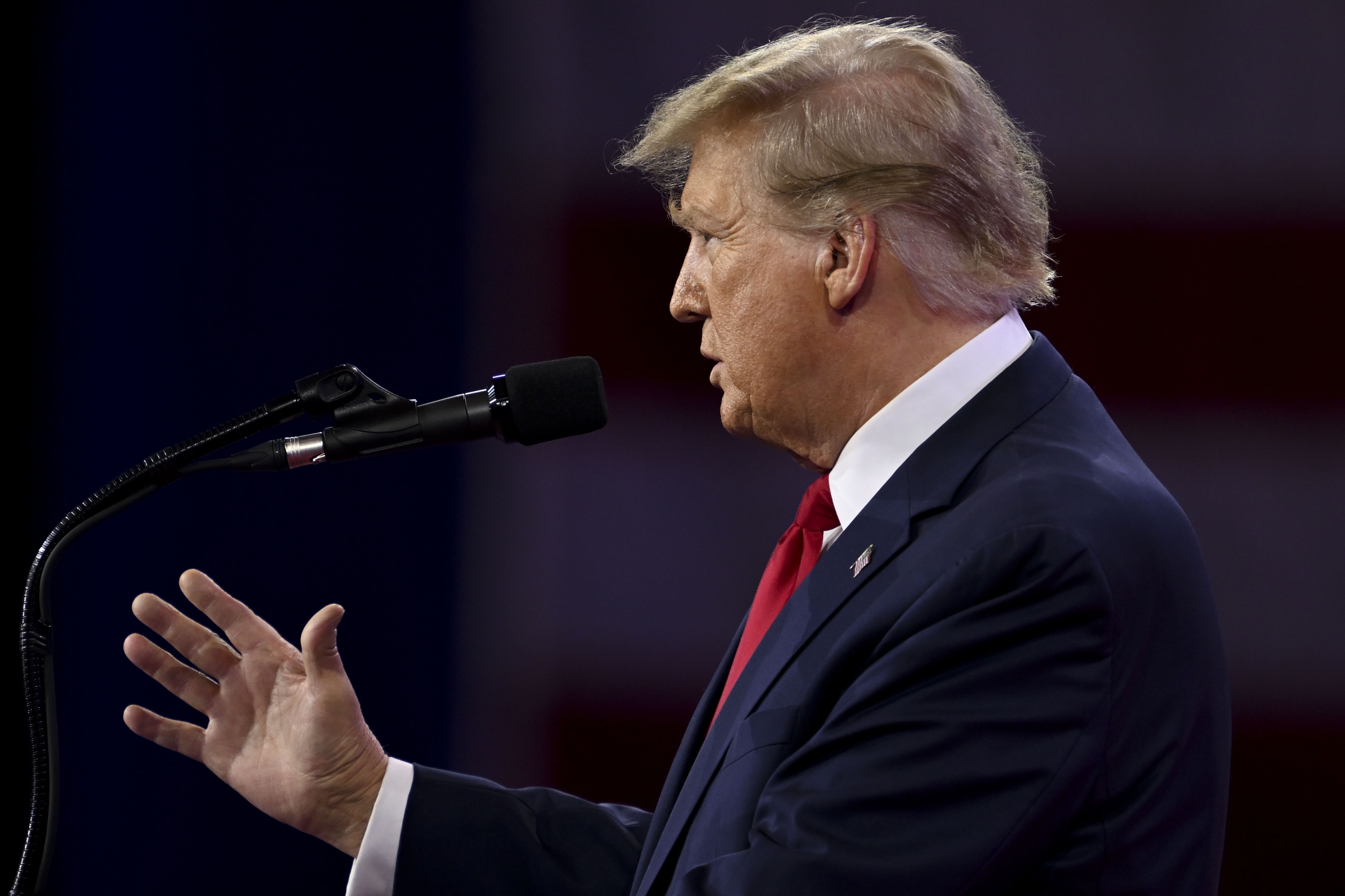
President Trump
President Trump (Photo: Shutterstock)

The outlet set out four tests for any agreement: whether the 3.67% cap will be absolute and tightly monitored, whether the 60% stockpile will be removed from Iran or diluted, whether IAEA inspectors will be allowed free access to all suspected sites, and whether Iran's commitment on the Strait of Hormuz will be complete and unconditional.

In its assessment, the emerging framework is not a peace agreement but an attempt to put out urgent fires: reopening shipping lanes, lowering energy prices and calming political tensions. The great risk, the outlet warned, is that a deal granting Iran billions of dollars and the end of the blockade without dismantling its existing uranium stockpile would prove to be a strategic trap, giving Tehran a valuable pause to rebuild its forces and return to the game from a position of great strength. The coming weeks, it said, will determine whether this is a diplomatic breakthrough or passing diplomatic noise.

Defense Minister Israel Katz issued a stark warning this week. "Iran is trying to renew its efforts to obtain nuclear weapons, alongside other serious efforts that put the State of Israel in real danger," Katz said. He stressed that "against Iran, the mission has not yet been completed," adding that "the State of Israel is determined today, more than ever, to stand firm over its fate."

Prime Minister Benjamin Netanyahu, speaking with reporters at the Knesset, said: "I cannot tell here everything I know, but there are enough people here who know what enormous challenges lie before us, and also enormous opportunities."

Kikar HaShabbat concluded that a tension may emerge between the American interest in ending the immediate conflict and the Israeli interest in ensuring the Iranian threat does not return in a new form. Reading between the lines, the outlet wrote, Israel's government and security establishment face decisive days as they weigh whether to go along with the American framework or to initiate action that, with Heaven's help, would defeat the enemy.

Ready for more?

Join our newsletter to receive updates on new articles and exclusive content.

We respect your privacy and will never share your information.

Enjoyed this article?

Yes
No
Follow Us:

Unmissable content


Loading comments...

Also of Interest