A major adjustment in maritime economic policy has emerged from the Oval Office, altering the financial landscape of the Persian Gulf war. President Donald Trump has officially announced that the United States is withdrawing its highly controversial plan to levy a twenty percent transit fee on commercial shipping vessels navigating the Strait of Hormuz. The sudden policy reversal follows intense diplomatic discussions between Washington and key leaders across the Middle East, who scrambled to find an alternative to the sweeping cargo protection tax.
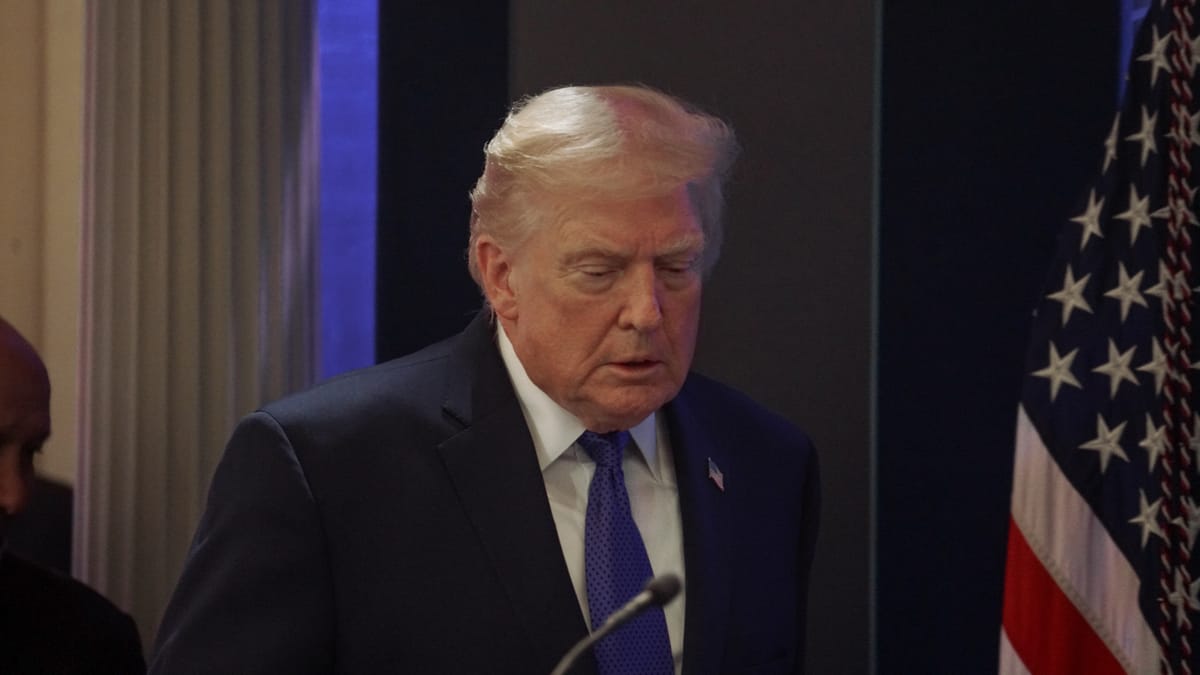
The strategic shift was finalized during a high-profile bilateral meeting at the White House, where the president hosted Iraqi Prime Minister Ali Al-Zaidi. Sitting alongside the visiting head of state, the president detailed how a barrage of communications from regional monarchs reshaped his approach to securing the vital energy chokepoint. The administration had previously asserted that international cargo fleets must pay a steep protection fee to help offset the massive operational costs incurred by the United States Navy as it guards the volatile waterway.
The president explained that the intense feedback from regional allies convinced him to trade the direct transit toll for long-term domestic economic commitments. He stated, "I was called by different people, different countries, kings and emirs and all of the people that we all love and they said we'd love to do it a different way, we'd love to invest in the United States with billions as opposed to charging a fee, and I like that actually because I don't think anybody should be able to charge a fee for the strait."
The newly negotiated framework will see various Gulf states inject billions of dollars directly into American manufacturing, defense facilities, and infrastructural plants. The White House defended the alternative arrangement by framing it as a major win for domestic labor, predicting the inbound capital will generate millions of high-paying jobs across the country. The president confirmed the policy shift in a detailed statement, writing, "Based on highly productive conversations with Middle East leadership, I have decided to replace the twenty percent United States reimbursement fee with trade and investment deals that the various Gulf States will be making into the United States."
Despite the complete cancellation of the transit fee, the military aspects of the regional lockdown remain fully in motion. The administration emphasized that the total naval blockade targeting Iranian shipping, ports, and oil exports will still be enforced by coalition warships exactly as scheduled. With major naval assets under the direction of Defense Secretary Pete Hegseth, Joint Chiefs Chairman Dan Caine, and CENTCOM Commander Admiral Brad Cooper maintaining a tight perimeter, the United States aims to completely choke off Tehran's economic capabilities while keeping the sea lanes free for compliant trade partners.