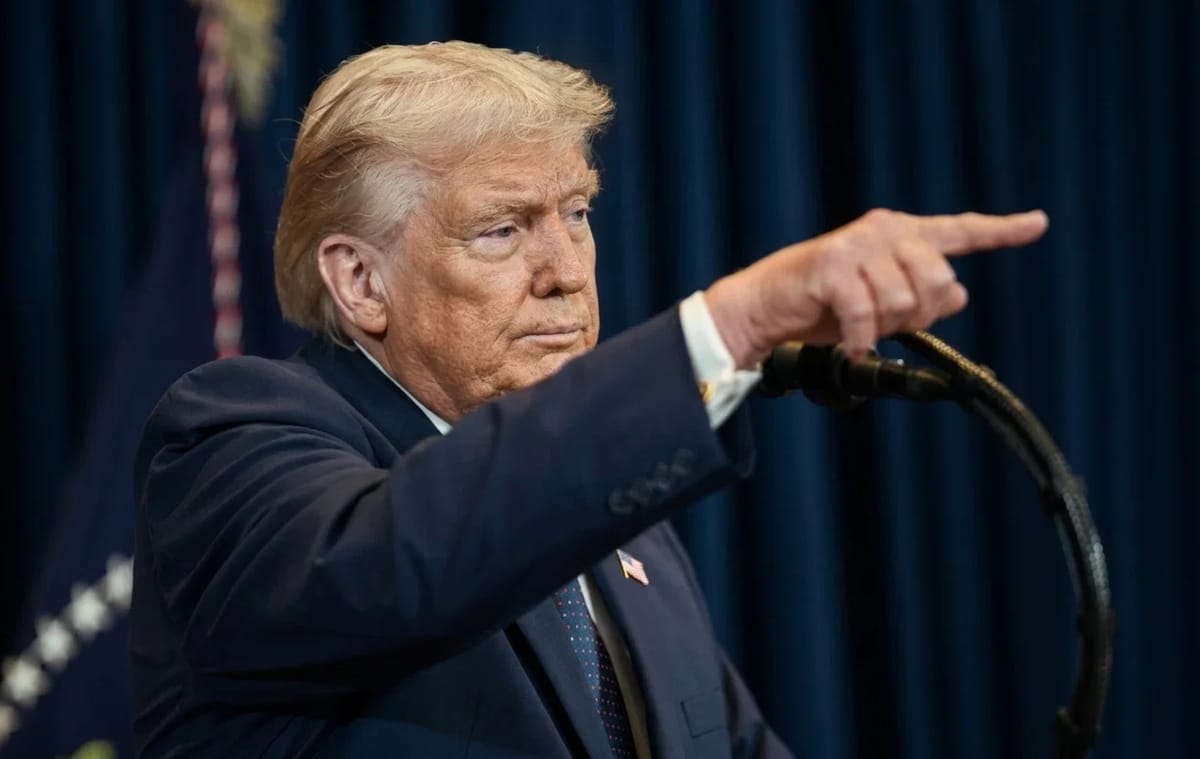
An unexpected diplomatic disconnect has emerged between Washington and Damascus following high level statements regarding the ongoing war in Lebanon. Syrian President Ahmad al Shara officially rejected the possibility of a Syrian military intervention in Lebanon, despite explicit hints made by United States President Donald Trump regarding the matter. The diplomatic tension intensified after Trump surprised attendees at the G7 summit in France by revealing a private recommendation he made to Israeli leadership. The American president publicly stated, "I suggested to Israel that Syria handle Hezbollah, because to be honest, I think they will do a better job." Trump highly praised the Syrian leader, noting that he, Turkish President Recep Tayyip Erdogan, and others had supported his rise to power, adding that al Shara has done an exceptional job rebuilding his country.
However, the leadership in Damascus views the strategic landscape in a fundamentally different light. In a comprehensive interview with the Lebanese newspaper Al Akhbar, al Shara clarified that the American president's public declarations were completely misinterpreted by the international community. The Syrian president stated, "President Trump spoke about Syria's role in searching for a secure and calm solution, but the words were misinterpreted as if Syria would enter Lebanon tomorrow morning." Al Shara emphasized his nation's refusal to be dragged into a direct military campaign, asserting, "we are part of the solution and cannot be part of the problem." He further noted that "the solution in Lebanon will not be through wars, bombings, and traditional means," concluding that halting the active hostilities requires creative solutions rather than traditional approaches.
To bypass these traditional military tracks, Damascus has independently presented a specialized diplomatic initiative to the United States, France, and several regional nations designed to end the war in Lebanon and establish a broader geopolitical arrangement. According to the Syrian president, the plan outlines a structural transition from an active combat front to a comprehensive package of economic, political, and social measures, alongside the full renewal of vital trade links and transportation corridors between Syria and Lebanon. Al Shara stressed that any strategic move must be executed exclusively through the official Lebanese state and its formal institutions, noting that the Lebanese issue has been repeatedly raised in bilateral discussions with Washington since the normalization of ties, including in his personal talks with Trump.
The proposed Syrian initiative also incorporates specific security arrangements designed to address both Syrian and Lebanese security anxieties, while even accommodating some Israeli concerns, based on the strategic principle that Lebanese stability is entirely inseparable from Syrian stability. When addressing the potential of a formal peace treaty materializing between Lebanon and Israel, al Shara warned international negotiators against trying to skip essential intermediate phases. He questioned the validity of a rushed diplomatic document, asking, "if Lebanon goes to Washington and signs a peace agreement, and then that same night a missile is launched from Lebanon toward Israel, what is the meaning of that peace? And if the opposite happens, what is the meaning of this peace?"
Furthermore, the Syrian president deliberately avoided taking a combative or hostile stance toward Hezbollah itself during the policy review. When asked directly if he would agree to hold formal talks with the organization, al Shara replied, "if it serves the interests of Lebanon and Syria, why not?" He added that he firmly believes in maintaining open dialogue even with direct adversaries, noting that closing communication channels inevitably leads to further confrontations. Ultimately, the underlying message from Damascus remains clear, while Trump continues to publicly frame Syria as a regional power capable of militarily confronting Hezbollah, the Syrian president is actively distancing his country from any combat scenarios, choosing instead to position Syria as an institutional mediator and a partner for a diplomatic settlement rather than an active participant in the war.