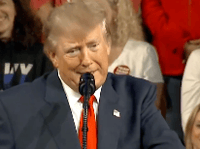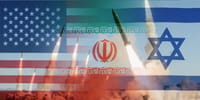
The United States is preparing a major economic offensive against Iran that will extend far beyond the Islamic Republic itself. President Trump has announced that countries continuing to conduct business with Iran will face direct and secondary sanctions, threatening significant economic consequences for several nations worldwide.
U.S. Treasury Secretary Scott Bessent is expected to soon unveil what the White House is calling an "unprecedented economic warfare" campaign. The measures will include comprehensive sanctions on Iran's regime, its operatives, supporters, and assets—but crucially, will also impose economic penalties on any country maintaining commercial relationships with Tehran. Several nations face particularly severe exposure.
China stands at the top of the list. Beijing maintains extensive trade relations with Iran, especially in the energy sector, where it is Iran's largest customer for oil and gas imports. Chinese companies purchase massive quantities of Iranian petroleum, including from reserves already under direct U.S. sanctions, benefiting from substantial discounts and preferential treatment in supply arrangements.
Until now, Washington has avoided directly targeting the Chinese economy over its Iran connections, limiting sanctions to individual businesses operating with Tehran. The new approach will force the U.S. to decide whether to confront Beijing head-on, even at the cost of heightened bilateral tensions.
Turkey presents a surprising case. Despite their image as regional rivals competing for influence across the Islamic world, Turkey and Iran maintain robust commercial ties. Iran supplies approximately one-sixth of Turkey's natural gas consumption and serves as a major source for staples of Turkish cuisine, including saffron and pistachios.
Iraq, Iran's western neighbor, also conducts substantial trade with the regime. Iran provides significant portions of Iraq's electrical power, with Baghdad purchasing billions of dollars worth of Iranian gas annually—approximately $5 billion per year for natural gas alone.
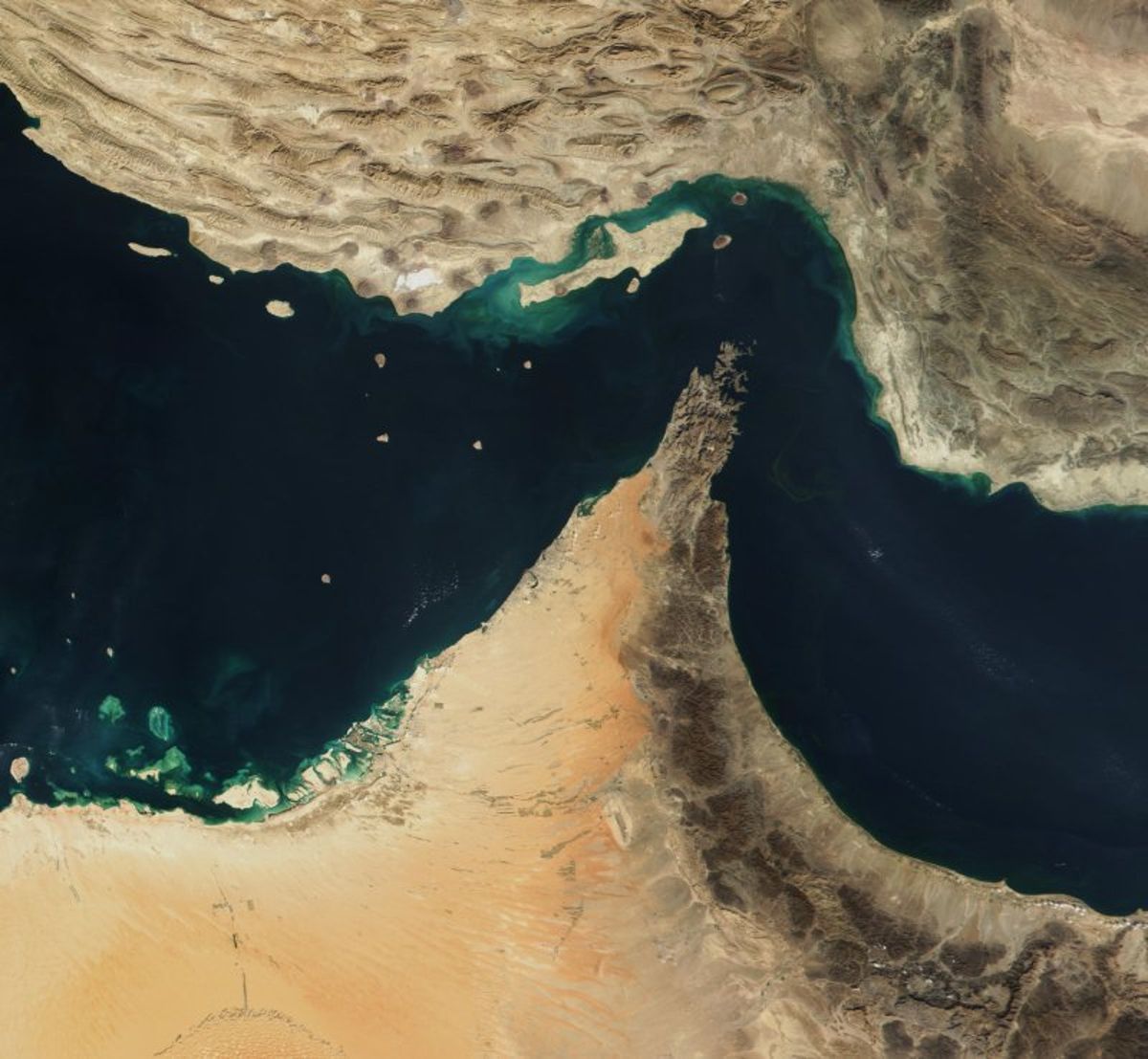
The United Arab Emirates may surprise Israeli observers. Until recently, the UAE served as one of Iran's most important trade hubs, with most Iranian goods exported through Emirati ports. However, in recent weeks, the Emirates has completely frozen economic ties with Iran and is therefore expected to avoid significant economic damage. Many analysts believe the UAE's previous economic relationship with Iran also functioned as a mechanism for monitoring Iranian cash flows, though the Emirates profited handsomely from the arrangement.