
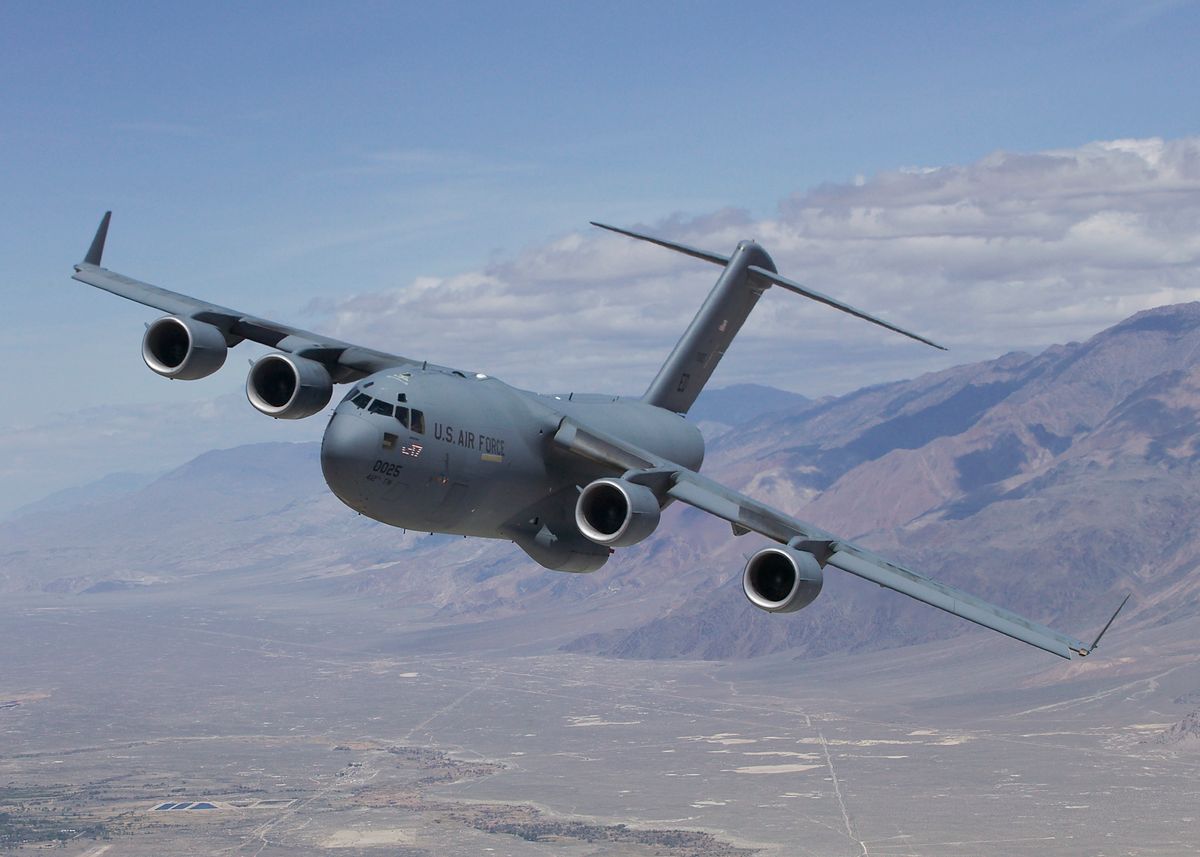
Open-source intelligence (OSINT) trackers have observed a significant surge in U.S. military transport flights deploying air and missile defense systems to key bases in the Middle East, including Jordan, Saudi Arabia, and Kuwait. These movements, involving C-17 Globemaster III aircraft, appear to be part of Washington's efforts to bolster regional defenses amid escalating geopolitical tensions.
According to multiple independent OSINT reports, overnight departures were noted from Biggs Army Airfield at Fort Bliss, Texas, home to U.S. Army Patriot air and missile defense units, on February 2-3. Flights originating from Japan toward the region are also ongoing.
Fort Hood (Robert Gray AAF), Texas: Home to the 11th Air Defense Artillery Brigade, which operates THAAD (Terminal High Altitude Area Defense). The 34 flights from here suggest a significant reinforcement of high-altitude ballistic missile interceptors.
Fort Bliss (Biggs AAF), Texas: The primary hub for Patriot (MIM-104) missile units. These are the "point defense" systems used to intercept cruise missiles, drones, and shorter-range ballistic missiles.
Kadena Air Base, Japan: A major Indo-Pacific hub. Movement from here indicates the Pentagon is drawing from Pacific stockpiles or rotating units to meet the urgent Middle East demand.
The tracked flights break down as follows:
Origins:
- 34 from Robert Gray Army Airfield at Fort Hood, Texas (associated with THAAD units);
- 6 from Kadena Air Base in Japan; and
- 4 from Biggs Army Airfield at Fort Bliss.
Destinations:
- 13 arrivals at Muwaffaq Al Salti Air Base in Jordan;
- 8 at Prince Sultan Air Base in Saudi Arabia;
- 8 at Ali Al Salem Air Base in Kuwait;
- 1 at Al Udeid Air Base in Qatar; and
- 1 at Isa Air Base in Bahrain.
This activity aligns with a broader pattern of over 36 C-17 arrivals at Muwaffaq Salti since mid-January, supplemented by tanker and cargo aircraft movements.
The urgency of these flights (nearly 40 arrivals at a single Jordanian base since mid-January) reflects a lesson learned from Operation Midnight Hammer in June 2025, when U.S. and Israeli interceptor stockpiles were nearly depleted after successfully downing Iranian drones and missiles.
Analysts suggest this current buildup serves two purposes:
- Coercive Deterrence: A visible "armada" of both naval power (the USS Abraham Lincoln) and air defense to force Tehran to de-escalate.
- Strike Readiness: Ensuring that if President Trump orders a "decisive" strike, the retaliatory "blowback" against U.S. bases in Jordan, Kuwait, and Saudi Arabia can be absorbed without significant casualties.