Developing Story

Beirut Strike Aftermath: Lebanese Clear Rubble as New Details Emerge on Targeted Commander

Lebanese civilians begin clearing debris in Dahiya district following Israeli strike • Ali al-Husseini of Imam Hossein Division was primary target | First Beirut operation in 22 days (Israel News)

Lebanese clear rubble after targeted elimintaion

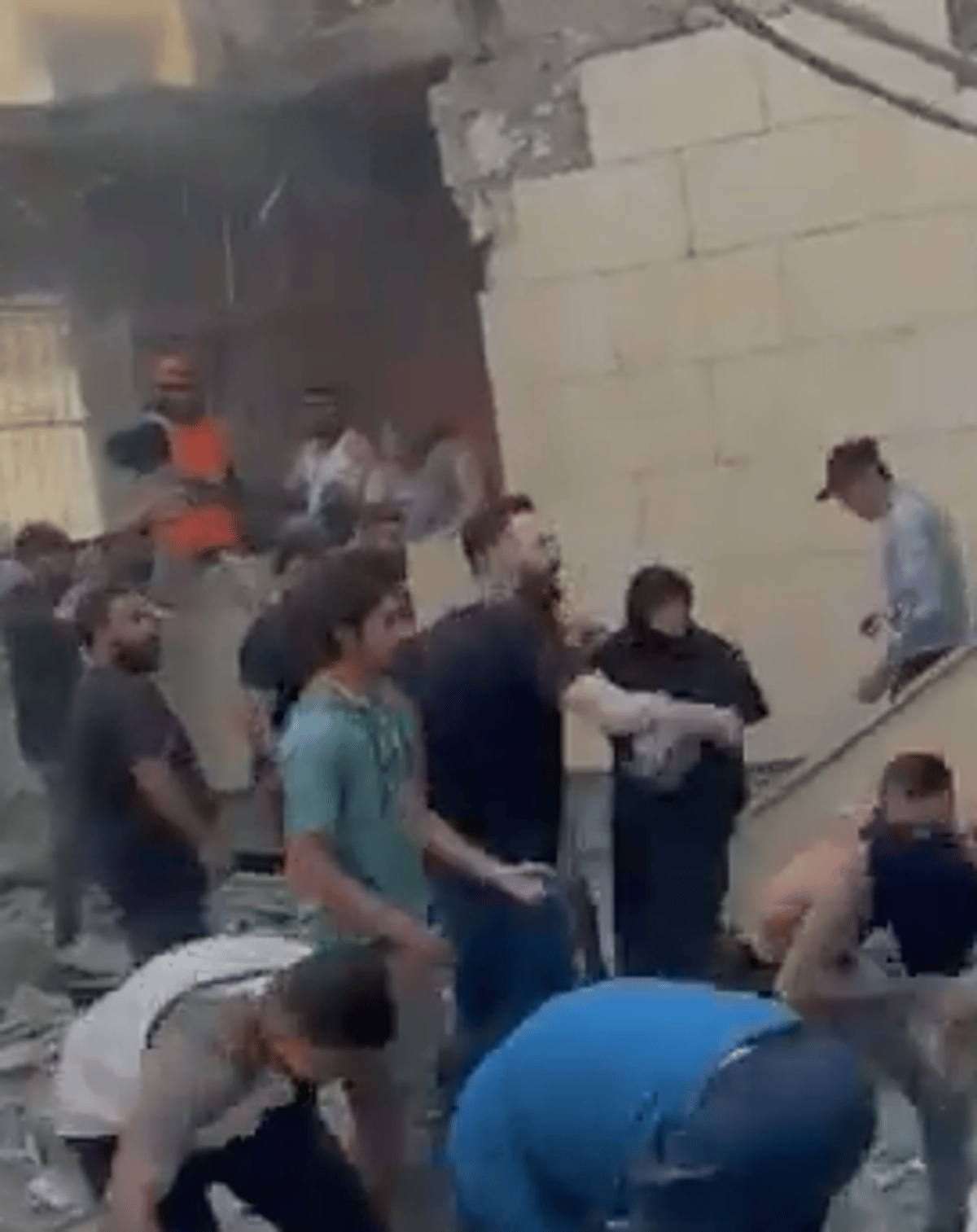
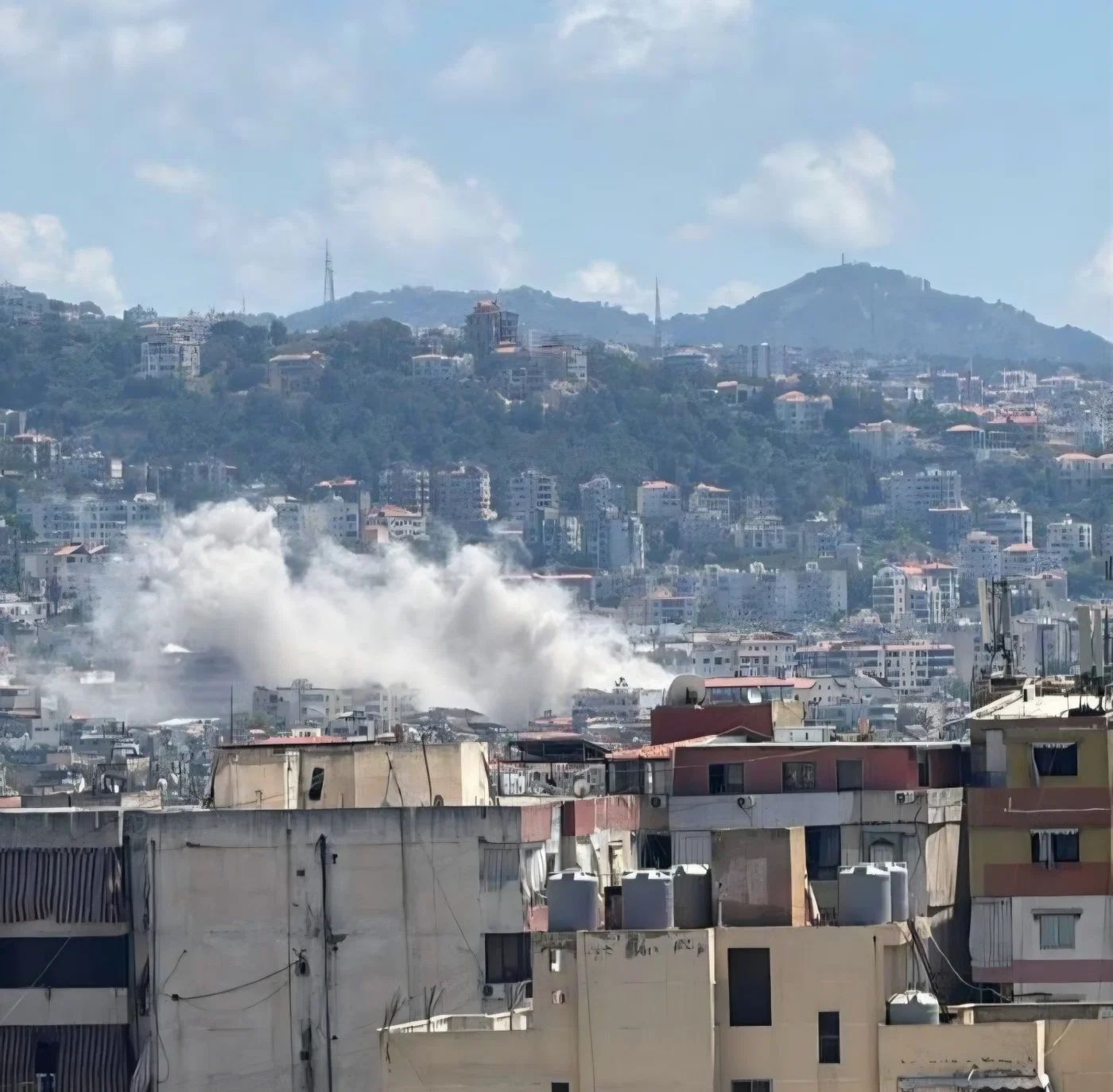
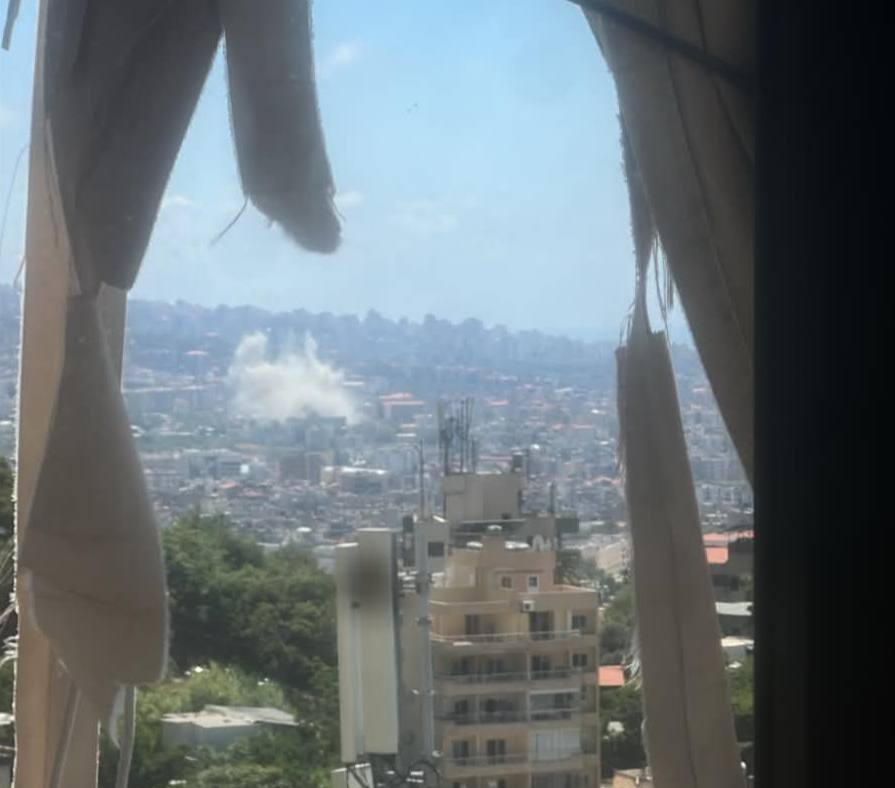
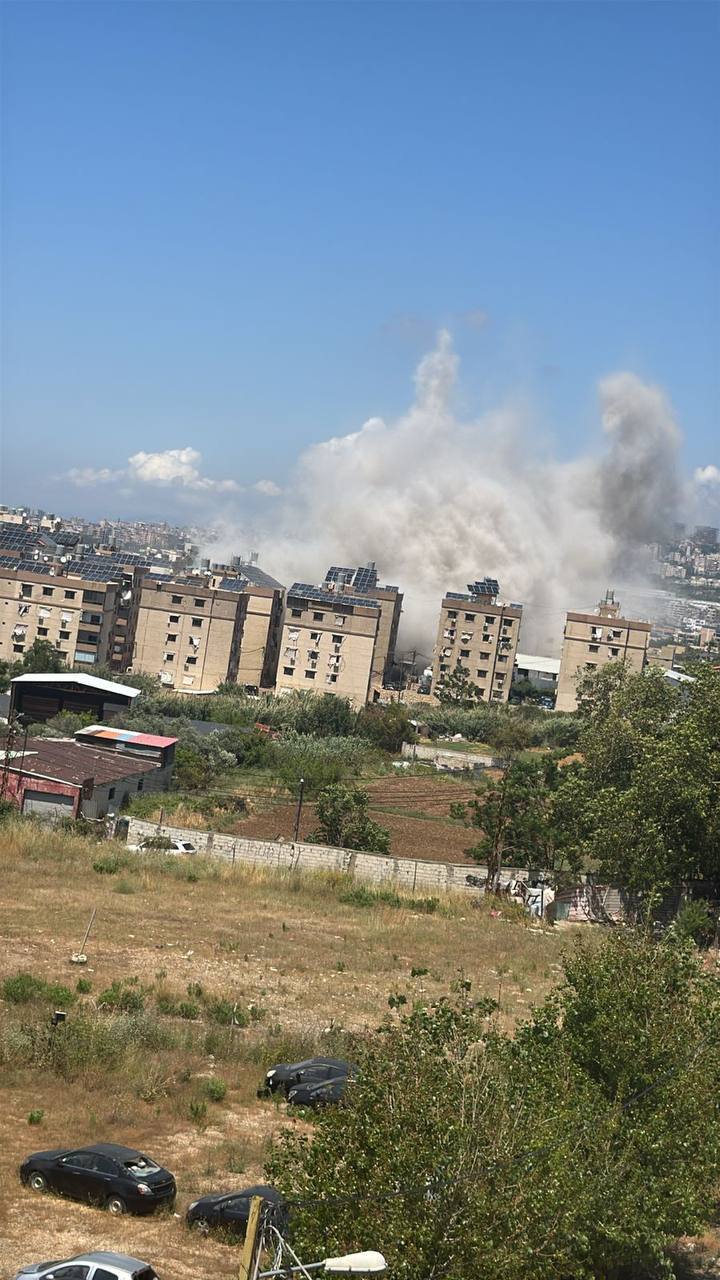
Approximately one hour after an Israeli airstrike targeted a senior terrorist commander in Beirut's Dahiya district, Lebanese civilians were documented gathering at the strike site to begin clearing rubble and debris. The operation, which marked Israel's first strike in the Lebanese capital in 22 days, targeted Ali al-Husseini, commander of missile operations for the Iranian-backed Imam Hossein Division.

Footage circulating on social media platforms showed local residents assembling near the destroyed residence of the targeted commander, methodically removing debris from the impact zone. The IDF has not yet confirmed whether the operation successfully eliminated its target, with military intelligence currently working to verify the outcome of the strike.

Target Profile: Commander of Strategic Missile Unit

According to Israeli security sources, the strike targeted al-Husseini in the al-Shuwayfat area of Beirut, specifically focusing on his role as head of the missile and rocket division within the Imam Hossein Brigade. The unit, which operates under the direct command of Iran's Revolutionary Guards Quds Force, specializes in deploying advanced Iranian weaponry against Israeli targets, including unmanned aerial vehicles, surface-to-surface missiles, and surface-to-air missile systems.

Military analyst Ron Ben-Yishai characterized al-Husseini as a "relatively marginal figure" within the broader Hezbollah hierarchy, but noted that the strike serves a strategic purpose beyond the individual target. The operation appears designed to convey a clear message to Tehran that Israel maintains operational freedom despite the fragile ceasefire arrangement brokered by the United States.

Targeted elimination in Beirut
IDF attempts to eliminate Hezbollah commander in Beirut

The Imam Hossein Division: Iran's Lebanese Proxy Force

The Imam Hossein Brigade, named after Hussein ibn Ali, a foundational figure in Shia Islam, represents one of Iran's most significant proxy militias operating in the Levant. Intelligence assessments indicate the division comprises approximately 1,000 fighters, predominantly of Lebanese origin, though the command structure includes Syrian and Iraqi nationals. The unit operates sophisticated Iranian military equipment and maintains close coordination with both Hezbollah and the Syrian military.

Since its deployment to the Israeli-Lebanese border in 2018, the division has conducted numerous attacks against Israeli positions. During 2019 alone, the unit executed multiple operations including a surface-to-surface missile strike targeting the Hermon ski resort, rocket barrages, and attempted drone infiltrations. Between 2021 and 2023, the organization expanded its operations to include attacks on American military installations in Syria's al-Tanf region and Deir ez-Zor area.

Targeted elimination in Beirut

Operational Deployment During Current Conflict

Following the outbreak of the Swords of Iron war in October 2023, the Imam Hossein Division redeployed forces across multiple fronts. Elements of the unit positioned themselves throughout southern Lebanon, from where they conducted sustained attacks against Israeli military and civilian targets using anti-tank missiles, rockets, and unmanned aerial vehicles. A drone launched by the organization from Syrian territory successfully struck a building in Eilat in November 2023, demonstrating the unit's extended operational reach.

The IDF has systematically targeted the division's leadership structure throughout the conflict. In March 2024, Israeli forces eliminated a cell operating near the town of Naqoura in southern Lebanon. During Operation Northern Arrows, the military conducted a precision strike in Beirut that killed the division's overall commander, Dhu al-Faqar Shinawi. Thursday's operation targeted his replacement and deputy, continuing Israel's campaign to degrade the unit's command capabilities.

Targeted elimination in Beirut

Strategic Context and Regional Implications

The timing of the strike carries particular significance, occurring after 22 consecutive days without Israeli operations in Beirut. Sources familiar with the situation indicated that the pause resulted from intensive diplomatic engagement with the Trump administration, which applied direct pressure on Israel to refrain from strikes in the Lebanese capital even as Hezbollah continued attacks that resulted in IDF casualties.

According to an IDF statement, the Imam Hossein Division functions as a critical military instrument for Iran's Quds Force, serving to strengthen what Israeli officials term the "axis of evil" and project force against Israeli territory and civilians. The division comprises thousands of fighters recruited from across the Middle East, including Syria, Iraq, Lebanon, Yemen, Afghanistan, Nigeria, and Sudan, with total strength estimated at approximately 6,000 combatants.

A senior Israeli security official stated that Iranian operatives who previously operated extensively in Lebanon have been largely eliminated or forced to flee, with minimal Iranian personnel currently remaining in the country. This assessment suggests the strike on al-Husseini represents part of a broader Israeli strategy to dismantle Iranian military infrastructure in Lebanon rather than an isolated tactical operation.

This is a developing story. Further updates will be provided as information becomes available regarding the outcome of the strike and any potential retaliatory actions.


Ready for more?

Join our newsletter to receive updates on new articles and exclusive content.

We respect your privacy and will never share your information.