Trump's Surrender

Iran Claims Strait Control, Rejects Trump Deal

Parliament chief declares Iranian sovereignty over strategic waterway • Defense officials warn of 'harsh response' to any miscalculation | Tehran's hardline rejection exposes fragility of Swiss negotiations (World News)

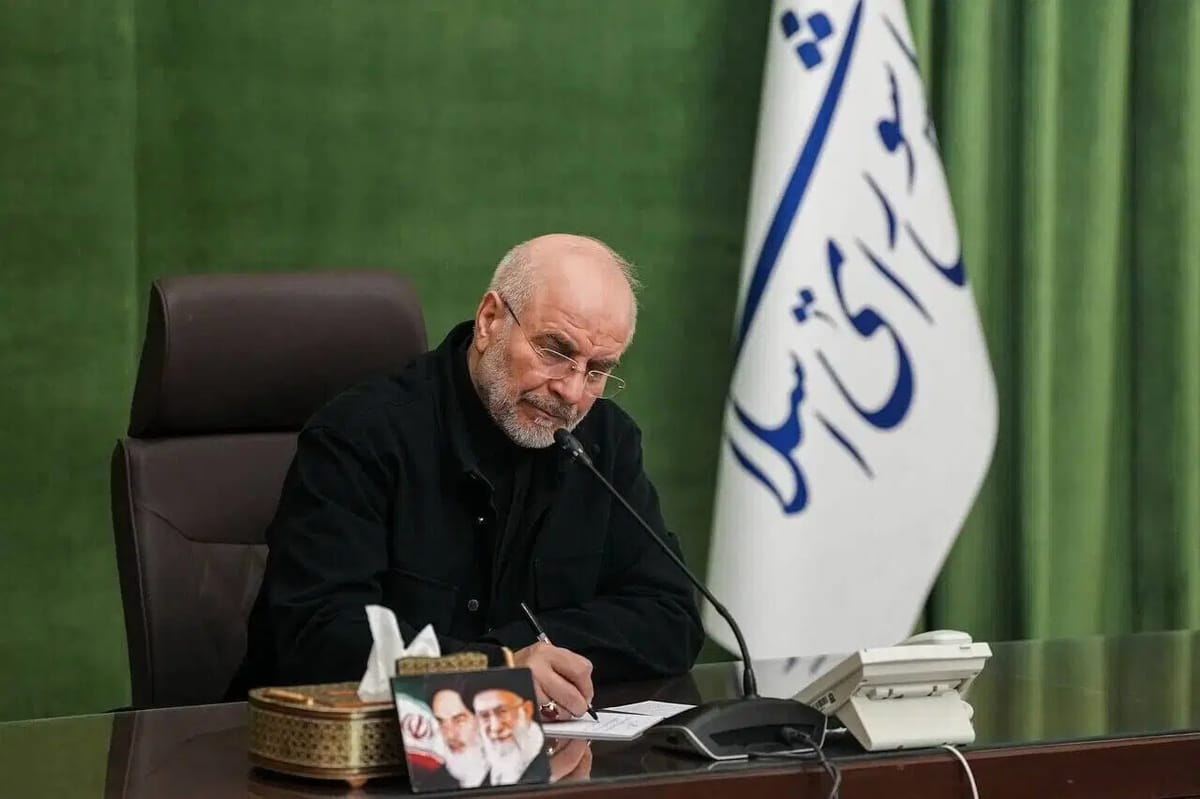
Ghalibaf

The fragile diplomatic framework Donald Trump claimed as a victory over Iran has collapsed into open defiance, with Tehran's most senior officials declaring permanent Iranian sovereignty over the Strait of Hormuz and warning of devastating military retaliation against any perceived threat. The declarations came as negotiations in Switzerland descended into crisis, exposing the hollowness of Trump's assurances that the Islamic Republic would transform into a compliant trading partner.

Mohammad Bagher Ghalibaf, speaker of Iran's parliament and head of the Iranian negotiating delegation in Switzerland, issued an unambiguous proclamation that fundamentally challenges the premise of the interim agreement. "The Strait of Hormuz will be managed by Iran and according to Iranian arrangements," Ghalibaf declared, adding with unmistakable finality: "Everyone must know — management of the Strait of Hormuz will never return to the state it was before the war."

The statement represents a direct repudiation of the maritime security provisions Trump administration officials had characterized as central to the memorandum of understanding. Ghalibaf's remarks were not diplomatic posturing but a formal declaration of Iranian control over the world's most critical oil chokepoint, through which roughly one-fifth of global petroleum supplies transit daily.
Ghalibaf, who serves simultaneously as Iran's chief negotiator and parliament speaker, proceeded to dismantle any remaining illusions about Tehran's willingness to accommodate American expectations. "We did not trust the Americans, we do not trust them, and common sense dictates that we will not trust them in the future," he stated flatly. The remarks came against the backdrop of reports that the Iranian delegation had temporarily withdrawn from the Swiss talks after Trump escalated his rhetoric, threatening to "do what I want" if progress stalled.

The military dimension of Iran's defiance emerged through parallel statements from acting Defense Minister Majid Avan al-Reza, who issued what amounted to a direct threat of escalation. "Iran's forces are at the highest level of readiness," he confirmed, before delivering an unmistakable warning: "In the event of any foolish act or new miscalculation by the attackers, they will face a harsher response than before — a response that will leave them more defeated, desperate, and regretful."

Avan al-Reza's statement revealed Iran's strategic posture during the negotiation period: maintaining full military readiness while simultaneously engaging in diplomatic talks. "Iran has the capability and willingness to advance negotiations and confront in the military arena simultaneously," he declared, adding that Tehran would "maintain our military preparedness in all domains, strengthen it, and continue it" throughout the 60-day memorandum period.

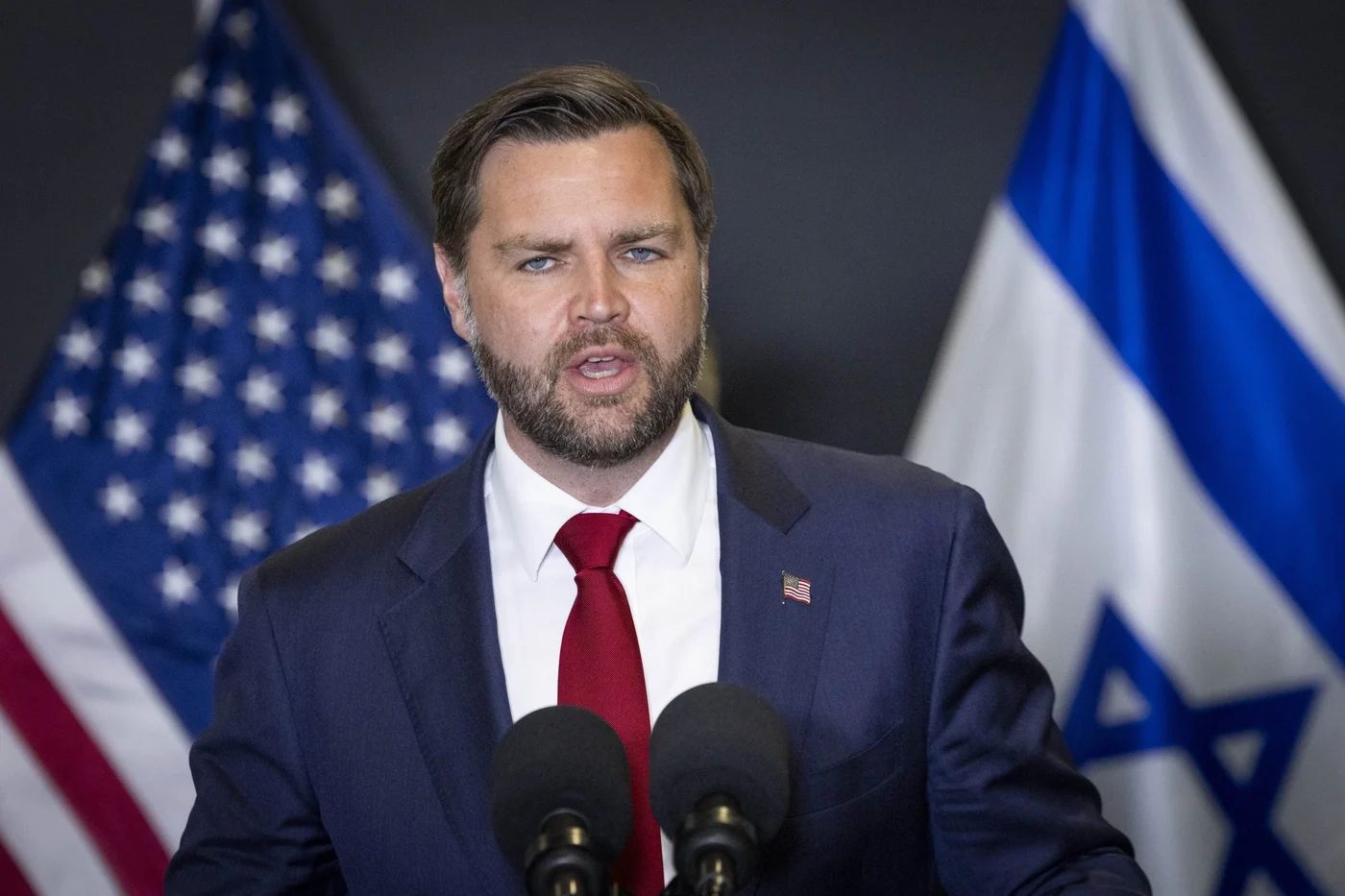
JD Vance
JD Vance (Photo: Chaim Goldberg / Flash90)

The Iranian declarations expose the fundamental disconnect between Trump's public characterization of the agreement and Tehran's actual interpretation. While the American president assured audiences that Iran's unfrozen assets would be used to purchase American agricultural products — specifically mentioning soybeans and corn — Iranian officials have flatly rejected any obligation to buy American goods, instead announcing that sanctions on oil and petrochemicals were being lifted and maritime blockades ended.

The timing of Iran's hardline statements is particularly significant given reports of Iranian military officers currently trapped in southern Lebanon. Senior defense sources have confirmed that high-ranking Iranian commanders are operating directly within active combat zones, fundamentally altering the strategic calculus and explaining Tehran's frantic diplomatic efforts to secure an immediate cessation of hostilities.

Trump, for his part, has continued projecting confidence while simultaneously issuing threats. "I solve problems, I can solve problems quickly," he stated, before warning: "If Iran doesn't adhere to the memorandum of understanding — I'll do what I have to do." The president emphasized Iran's military degradation, noting that "Iran had a powerful air force, a powerful navy four months ago — that's gone."

President Donald Trump
President Donald Trump (Photo: Rawpixel.com / Shutterstock)

Yet Iran's public declarations suggest a regime that feels emboldened rather than defeated. The simultaneous announcement of permanent control over the Strait of Hormuz, rejection of American trustworthiness, and threats of escalated military response indicate that Tehran views the current diplomatic framework not as capitulation but as an opportunity to consolidate gains while maintaining full operational freedom.

The contradictory signals emerging from Switzerland reflect a negotiation process that appears to satisfy neither side's core objectives. Mediating nations Qatar and Pakistan issued statements overnight claiming the talks proceeded "in a positive and constructive atmosphere" and that a monitoring mechanism had been established "to prevent friction in Lebanon." Yet these diplomatic niceties stand in stark contrast to Iran's public declarations of permanent territorial control and military readiness.

The collapse of Trump's narrative — that Iran would become a grateful purchaser of American agricultural exports in exchange for sanctions relief — reveals the deeper strategic failure of the agreement. The regime that has spent five decades funding Hezbollah, arming Hamas, and chanting "Death to America" has not transformed into a compliant trading partner. Instead, it has used the diplomatic opening to declare permanent control over critical maritime infrastructure while maintaining full military posture and explicitly rejecting American credibility.

As the 60-day memorandum period unfolds, the fundamental question is whether Trump's threats of unspecified action carry sufficient weight to alter Iranian behavior, or whether Tehran's public defiance signals a regime confident that the American president's options are more limited than his rhetoric suggests. Iran's declaration of permanent Strait of Hormuz control provides an early answer: the Islamic Republic is not negotiating surrender, but consolidating strategic gains under diplomatic cover.

Ready for more?

Join our newsletter to receive updates on new articles and exclusive content.

We respect your privacy and will never share your information.

Enjoyed this article?

Yes (22)
No (1)
Follow Us:

Unmissable content


Loading comments...

Also of Interest