Kfar Yona Mayor Vows to Block Haredi Convoy Protest: 'We're Done Paying the Price'
Kfar Yona Mayor Albert Tayeb announces he'll physically block Wednesday's slow-moving car convoy to Prison 10 • Residents mobilizing to prevent road closures after years of repeated demonstrations | 'This isn't about haredim — it's about our lives' (Israel News)

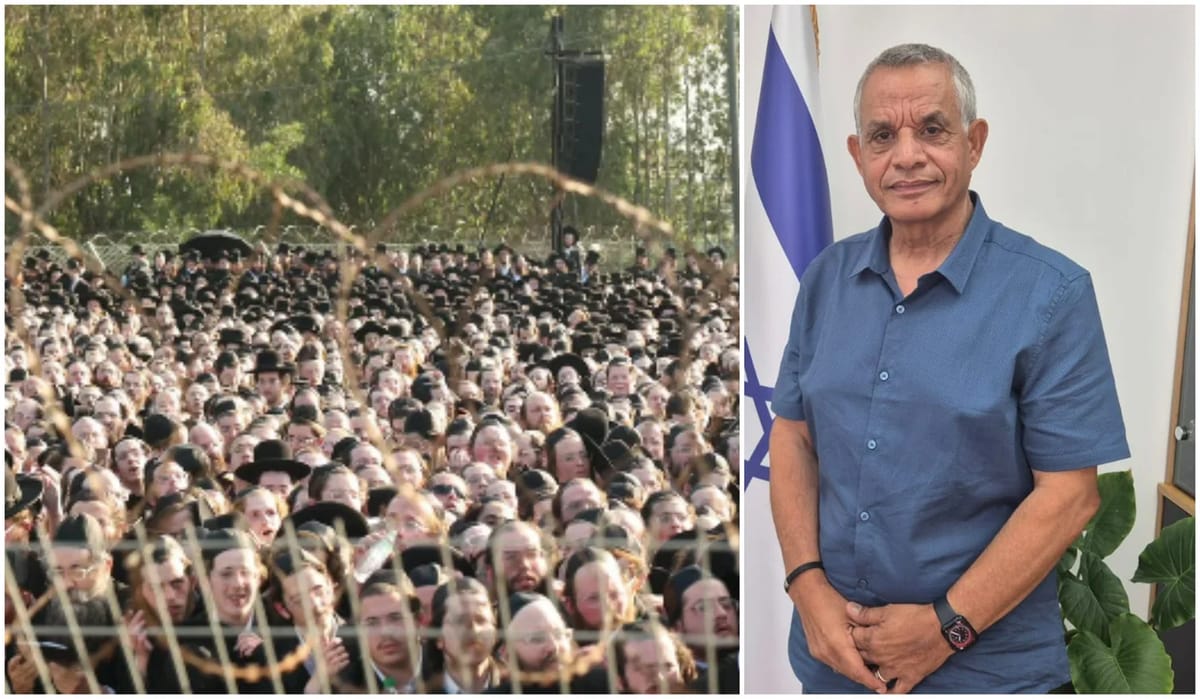
As haredi activists across Israel prepare for Wednesday evening's unprecedented slow-moving car convoy to Prison 10, they're facing an unexpected obstacle: the mayor of Kfar Yona has announced he will physically block the route, marking the first organized counter-protest by local residents fed up with years of demonstrations that have paralyzed their community.
Mayor Albert Tayeb told Kikar HaShabbat Monday that he intends to stand at the entrance to the Givat Alonim neighborhood — the route leading to the military detention facility — alongside local residents, with the explicit goal of preventing vehicle blockades and convoy entry into residential areas. The planned action represents a significant escalation in tensions between haredi protesters and the communities surrounding Prison 10, where demonstrations have become increasingly frequent and disruptive.
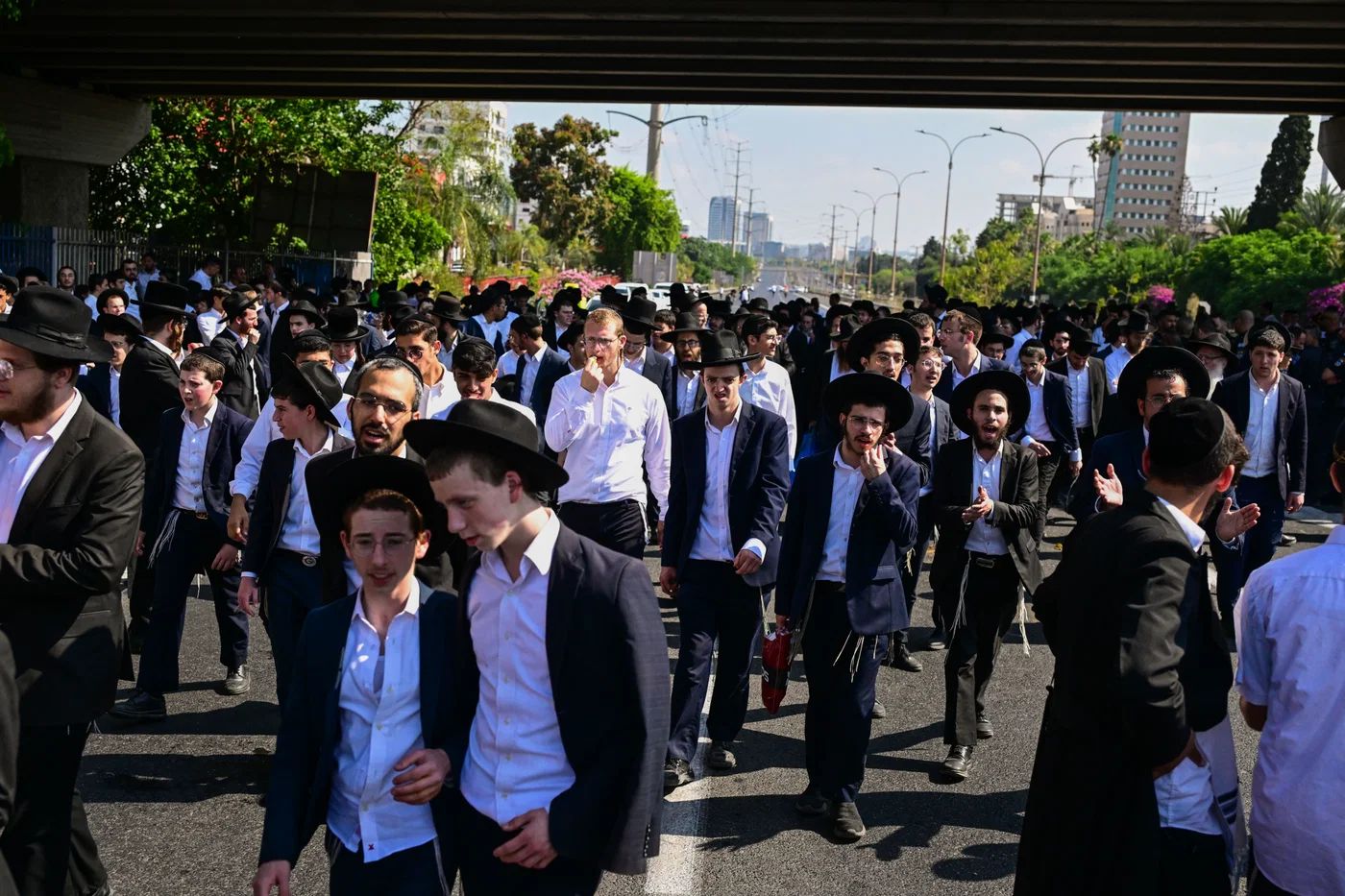
The convoy protest, scheduled for Wednesday between 4:00 PM and 8:00 PM, emerged in the wake of last week's dramatic events surrounding Yechiel Kotiner, a Ger hasid who was released from military detention following an unprecedented protest led by the Gerrer Rebbe himself. Organizers are planning slow-moving vehicle processions from multiple locations across Israel, all converging on the military prison in what activists hope will become a new model for sustained pressure against draft enforcement.
Years of Frustration Boil Over
Tayeb's statement revealed deep frustration that extends far beyond the haredi draft issue. "This isn't a personal story against haredim or against the haredi public," the mayor emphasized in his conversation with Kikar HaShabbat. "In recent years, there have been repeated demonstrations in the area by various groups, sometimes haredim, sometimes the right wing, sometimes conscientious objectors, and sometimes other groups. And every time, the residents are the ones who pay the price."
The mayor's framing signals that Kfar Yona residents view themselves as collateral damage in Israel's broader political battles. The town sits adjacent to Prison 10, making it a natural gathering point for protests targeting the military detention facility. But what began as occasional demonstrations has evolved into a pattern of recurring disruptions that local officials say have become intolerable.
The timing of Tayeb's announcement is particularly significant. It comes as haredi political leaders are threatening coalition meltdown over draft legislation, while simultaneously facing accusations of systematic police violence at anti-draft demonstrations. The Kfar Yona counter-protest adds a new dimension to the conflict: organized civilian resistance to haredi protest tactics.

A New Protest Model Meets Local Resistance
The slow-moving convoy represents a tactical evolution in haredi protest strategy. Unlike traditional demonstrations that block roads entirely, the convoy model allows vehicles to technically remain in motion while creating massive traffic disruptions through deliberately reduced speeds. Organizers view it as a way to maintain pressure while avoiding some of the legal vulnerabilities of stationary road blockades.
But Tayeb's planned counter-action suggests local communities may not accept the distinction. By positioning residents at the neighborhood entrance, the mayor is essentially threatening to force a confrontation that could prevent the convoy from reaching its destination entirely. Whether police will intervene to protect the protesters' right to demonstrate, or side with residents seeking to keep roads clear, remains unclear.
As haredi activists plan increasingly ambitious demonstrations against draft enforcement, they may find themselves facing not just police opposition, but organized resistance from communities that have simply had enough.