Get our mobile app
Download on the App StoreGet it on Google Play

The Probe Widens

More Arrests in Ra'am Vote-Buying Probe

Police have arrested several more suspects over alleged vote-buying with ballot envelopes for Ra'am, after elections chief Noam Sohlberg ordered the Shin Bet to look into suspected foreign funding of the vote.

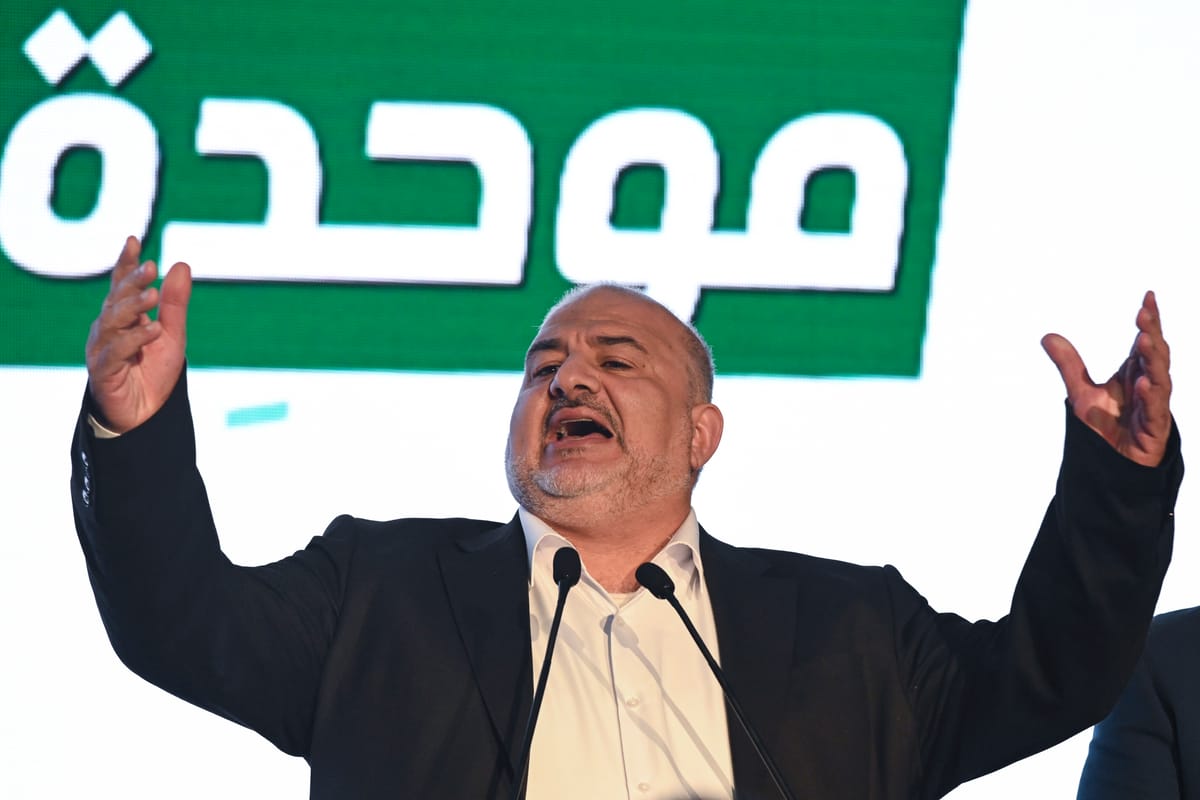
Abbas at last night's celebrations in Sakhnin

Police have arrested several more suspects in the investigation into alleged vote-buying with ballot envelopes for Ra'am, i24NEWS reported. Ra'am, formally the United Arab List, is an Islamist party led by Mansour Abbas. The affair is now part of a widening examination of the integrity of Israel's 26th Knesset election.

Supreme Court Deputy President Noam Sohlberg chairs the Central Elections Committee. JNS reported that he instructed David Zini, head of the Israel Security Agency (Shin Bet), Israel's domestic intelligence agency, to investigate suspected foreign funding and election bribery. Sohlberg's letter is dated October 28. He gave Zini one week to report any findings and cited the legal deadlines for filing election appeals.

Sohlberg wrote the letter after Zini briefed him on information described as "exceptionally grave." The suspicions concern outside actors working against Israeli interests who allegedly used foreign money to influence the vote. Sohlberg stressed that the information did not come from a political party's tips and was not a response to the fraud claims made by Likud, Prime Minister Benjamin Netanyahu's party.

"The purity of elections is the heart of democracy. Serious suspicions have been brought before me of improper influence on the elections through foreign funding from foreign entities operating against Israeli interests."

Sohlberg added that he "cannot attest to the nature of the above suspicions" but said they still had to be investigated properly. He told Zini to "do everything in your power to investigate the matter" and to use the agency's powers to find evidence. "Only in this way can we ensure public trust in the electoral process, and the purity of the democratic process," he wrote.

Ynet reported that the letter followed a meeting between the two men earlier in the week and that the affair may involve an attempt by Qatar to influence the election. The committee described the information on this as "solid."

Elections
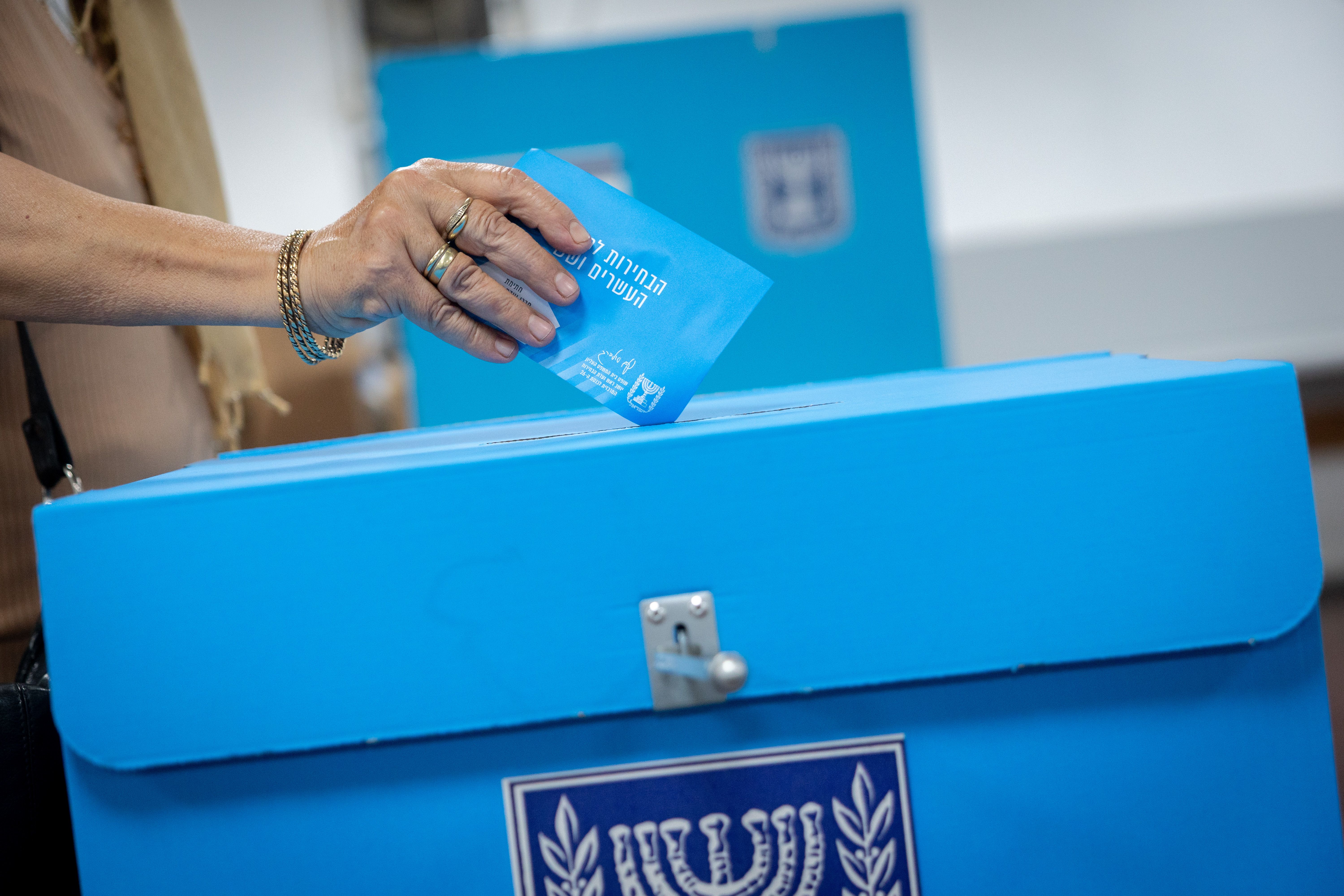
Elections (Photo: Chaim Goldberg/Flash90)

After the vote, Likud accused the Arab parties of stealing the election. It cited alleged bribery, threats, violence, forgery and banned software for mobilizing voters. The party said it was passing hundreds of testimonies and items of evidence to the police, the Shin Bet and the elections committee. Police replied that neither their investigations nor their intelligence had produced evidence to support those claims.

Police data showed 48 complaints of fraud and impersonation nationwide as of the previous night. Nearly 80 were filed during the last election, a decline of about 40%.

Gadi Eisenkot, described as the current opposition frontrunner and chief of the Yashar Party, said he was in touch with the relevant authorities and receiving updates. "The State of Israel must rigorously safeguard the integrity of the elections against any attempts at interference, political spin, or bias," Eisenkot said. Yisrael Beiteinu chairman Avigdor Lieberman called the letter "a dramatic and unprecedented development" and urged law enforcement "to act swiftly to uncover the truth as soon as possible."

Finance Minister Bezalel Smotrich called the affair "a litmus test for the State of Israel" and said the Shin Bet must question the leaders of the Arab parties that day. "The State of Israel will not be sold out to radical Islam through terror-linked funds," he declared. National Security Minister Itamar Ben-Gvir demanded that the Shin Bet order the arrest of Arab party leaders suspected of ties to Qatari funds and of other suspects, including figures within the Muslim Brotherhood and its offshoots, "provided there are legal grounds for their arrest."

The case began on election eve. The Jerusalem Post reported on October 27 that three Bedouin residents of Segev Shalom and Ar'ara BaNegev were arrested on suspicion of trying to bribe voters to back Ra'am, and that the case was transferred to Lahav 433. "We categorically reject attempts by elements within the police to link Ra'am to the compromising of electoral integrity," the party said at the time.

A group of right-wing ministers and MKs later wrote to Sohlberg and Zini demanding a criminal investigation into what they called "wholesale bribery" by Ra'am and affiliated nonprofits. The elections committee also opened its standard post-election review after receiving Likud's complaint. Further updates to follow.

Ready for more?

Join our newsletter to receive updates on new articles and exclusive content.

We respect your privacy and will never share your information.

Enjoyed this article?

Yes
No
Follow Us:

Unmissable content


Loading comments...

Also of Interest