"Israel does not need to subordinate itself to any public body"
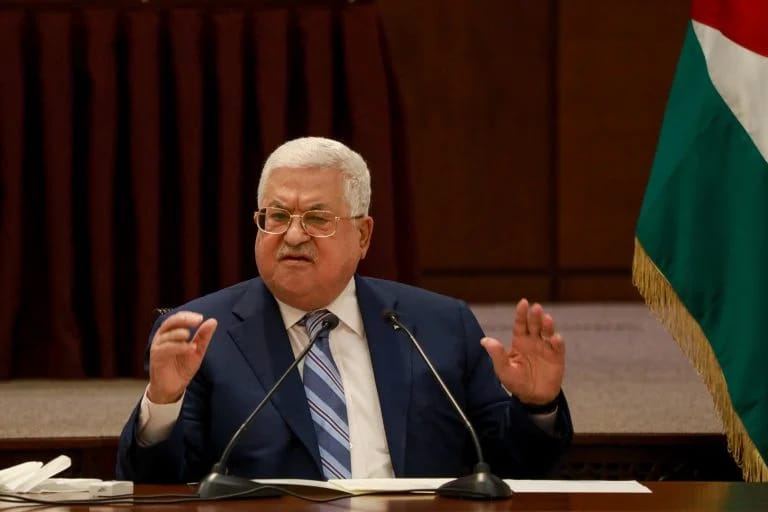
In February of this year, the UN High Commissioner for Human Rights, Volker Türk, called on the Israeli government to suspend the reform, which he referred to as 'changes that could weaken human rights.' Perhaps it is time to tell human rights advocates of all kinds to intervene less in what is happening in Israel and focus more on the findings of the report prepared by UN WATCH regarding the authoritarian regime of the Palestinian Authority towards LGBTQ+ individuals?
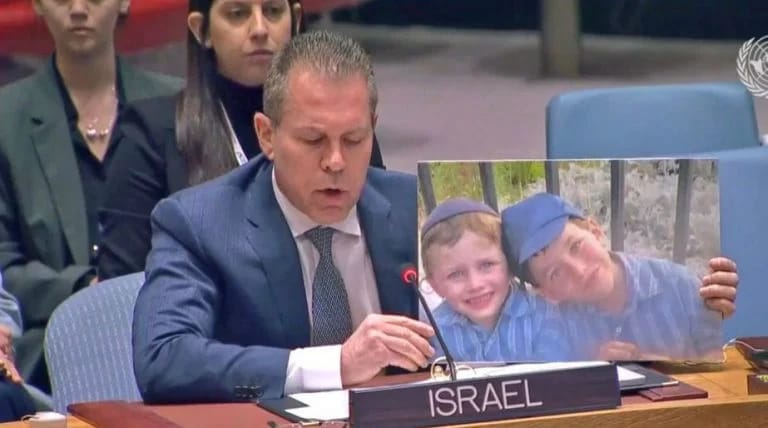
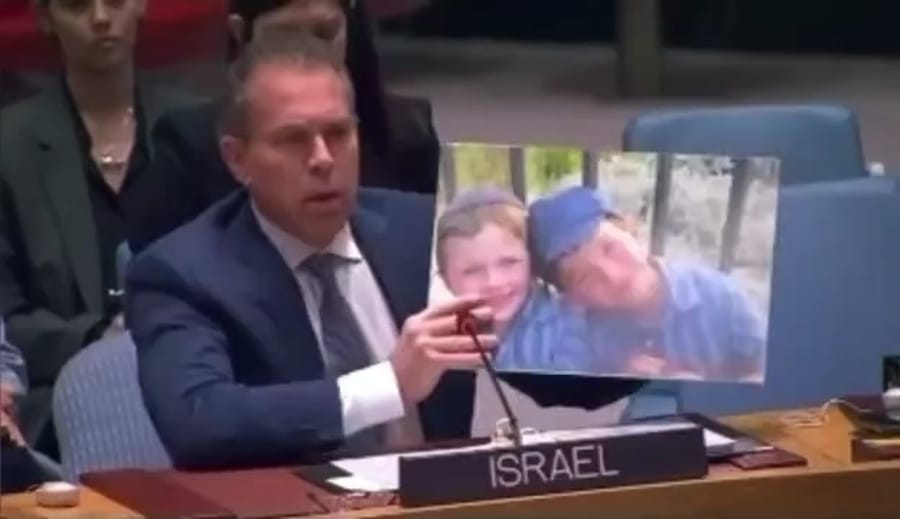
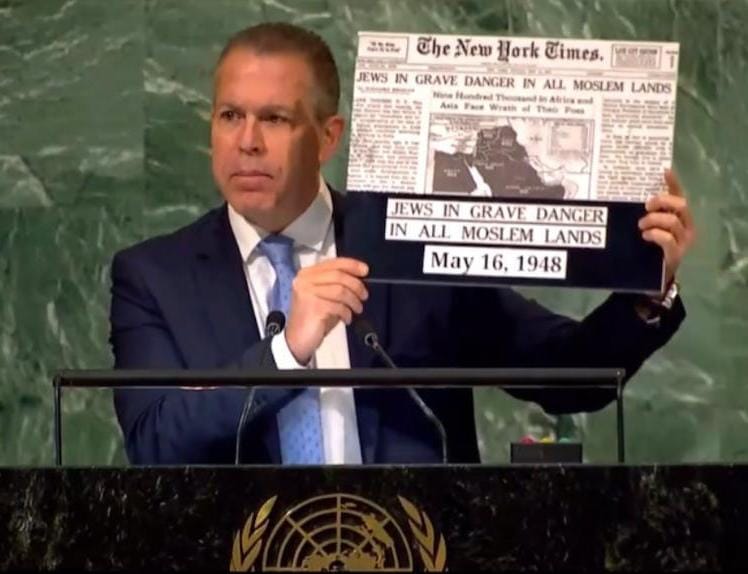
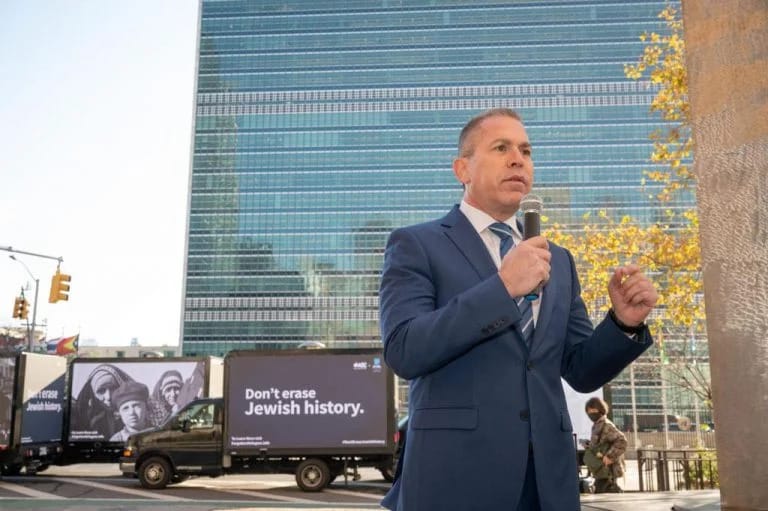
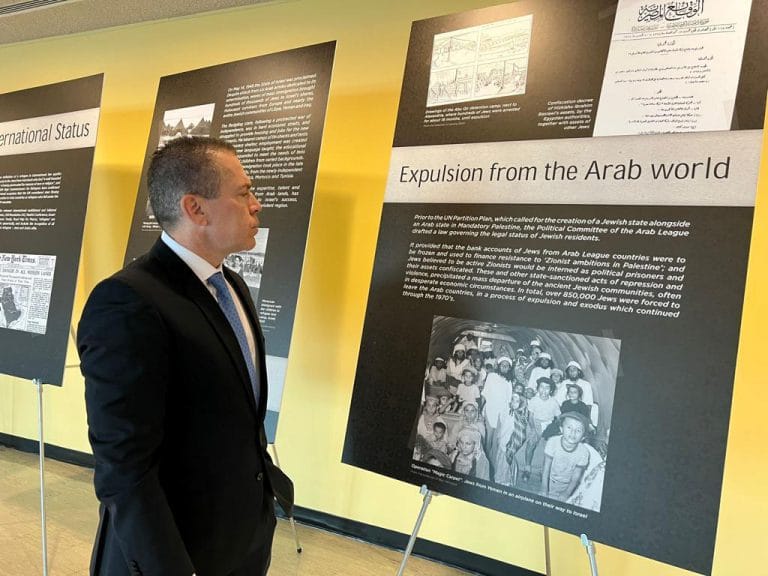
"I strongly criticized the UN High Commissioner, it's yet another moral distortion and a skewed set of priorities that exist at the UN against Israel. This is what I am fighting to present in every discussion, using creative means and provocations that I initiate here to show the UN what it should have been dealing with if it truly cared about human rights and countries that violate them. Israel is not like that, quite the opposite; we are one of the most ethical countries in the world, especially considering our neighbors and the terrorist organizations surrounding us."
According to him: "Any interference in Israel's internal affairs and on issues that are subjects of democratic debate, such as legal reform, is an audacity that is hard to imagine a greater audacity than that. I fight against this interference in every way, mobilizing countries and various methods here to block UN interference. As Ben-Gurion said, and he was partly right, sometimes you have to say "UM SHMUM" ("Ignore the UN"). It doesn't matter what the nations say, but what the Jews do. We do fight for international legitimacy, especially in the internet age, which is important and significant, and certainly not to play into the hands of those who want to destroy Israel. However, it is related to the security of our citizens and the internal democratic structure and the most internal matters of Israel. No public body should interfere with us, and we should not bow to them."
When you served as the Minister of Internal Security, you demanded that judges who lighten the penalty for throwing stones should not be promoted. When you hear the leaders of the right today about the need to change the composition of the committee for the appointment of judges, did you believe that it would cause such a big storm in the State of Israel?
"The question is very political, and as an ambassador, I cannot delve into it. You are correct that during my 7 years in office, I fought to include judges who are traditional, conservative, and of Eastern descent to balance the judicial system and ensure that violent crimes and terrorism are severely punished. As a politician, my belief has remained unchanged throughout the years that there are many balances that need to be introduced into the judicial system. Regarding today, many did not anticipate that the conflict and tension over the discussion of the judicial system would escalate to such levels. I can only wish for the new year to bring unity and unconditional love; we all need to focus on that and find ways to reduce the tension."
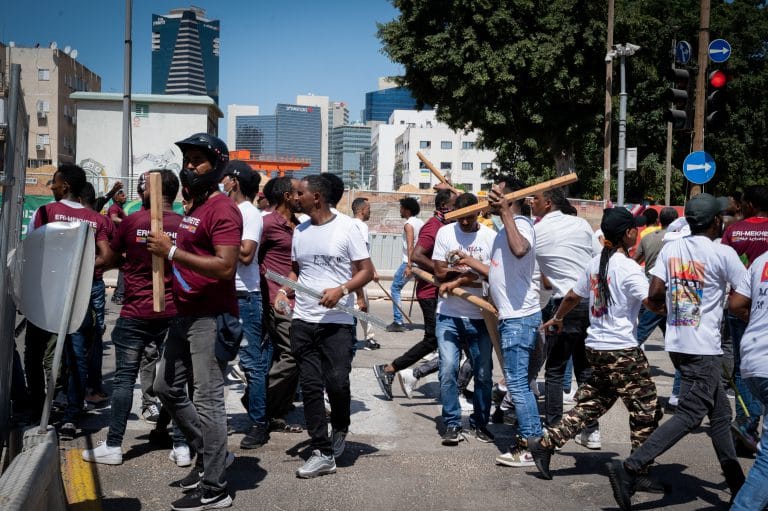
Following the events in South Tel Aviv, dozens of suspects were detained in administrative detention facilities, which drew criticism from the United Nations, claiming that it violates international law. Israel has, in the past, come to understandings, and eventually, things were resolved. In light of the UN's criticism and the regret of Deri and Netanyahu, is it possible to implement the plan again?
"I can only mention facts without getting into politics. I was the Minister of the Interior, and I formulated the plan for expulsion that was possible at the time. The legal advisor to the government, Yehuda Weinstein, could have implemented it. The idea was to deport them at our expense, plus money for the initial period. Anyone who refused, it was clear that we needed to find a way to persuade them until they agreed. There was approval to place those who refused to return to their homeland in detention. Then a petition was filed with the Supreme Court, which froze my plan, and the plan was canceled.
"The Supreme Court has had a significant negative impact for years; it's not a secret. I think it was naivety in the political system. How did it negatively affect? It severely restricted the government's ability to deport infiltrators. As for the considerations of the Prime Minister at the time not to implement the plan in the face of the UN and whether it is relevant today, I don't know; it's not my field. But certainly, immigration and entry policy to the country are within the state's jurisdiction, not the UN, and not anyone else's."