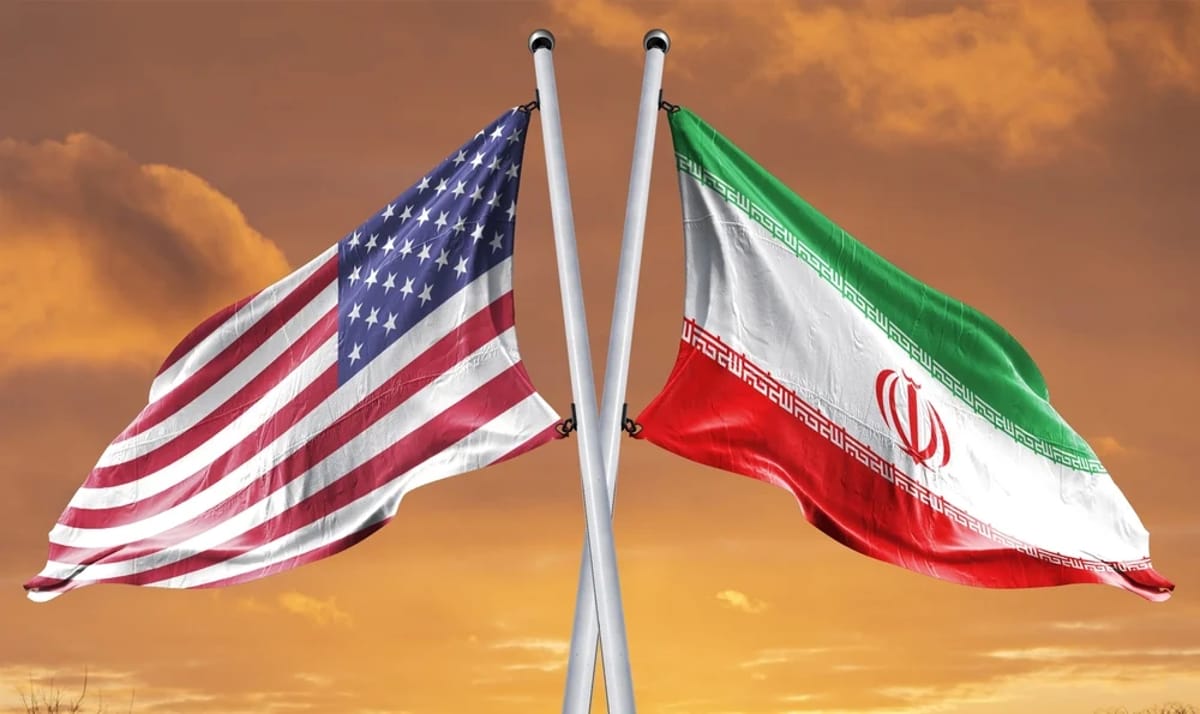
Switzerland Confirms US-Iran Deal Signing Ceremony Set for Friday at Luxury Alpine Resort
Swiss Foreign Ministry announces signing ceremony will take place Friday at Bürgenstock resort • VP Vance, Kushner, and Witkoff to represent Washington | As Israel remains shut out of full text (World News)

Switzerland's Foreign Ministry confirmed Tuesday that the signing ceremony for the memorandum of understanding between the United States and Iran will take place Friday at the Bürgenstock resort, a luxury alpine retreat overlooking Lake Lucerne, marking a dramatic acceleration of the diplomatic process that has roiled relations between Washington and Jerusalem.
The announcement came one day after American and Iranian negotiators finalized the preliminary text of the agreement, setting the stage for a formal signing that will reshape the nuclear standoff that has defined Middle Eastern security for two decades.
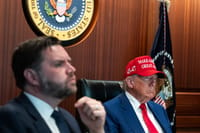
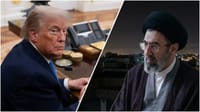
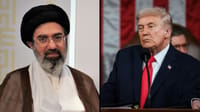
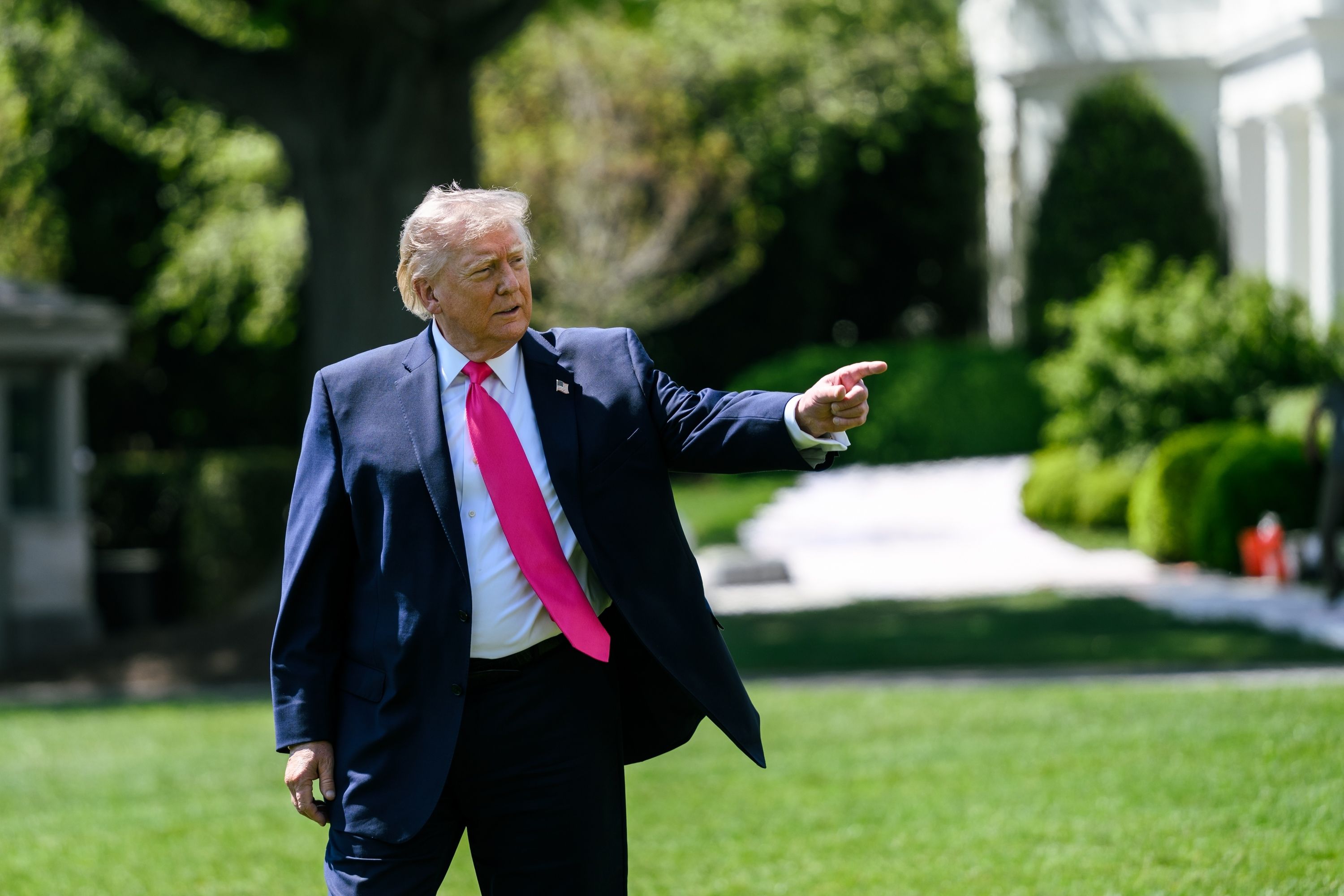
According to a senior U.S. official who briefed reporters on background, the memorandum will bear the signatures of President Donald Trump, Vice President JD Vance, and Iranian Parliament Speaker Mohammad Bagher Ghalibaf. Trump himself will not attend the ceremony, the official confirmed, with Vance leading the American delegation alongside White House advisers Steve Witkoff and Jared Kushner.
"We have direct contact with senior officials in the Iranian system, and this is something that hasn't existed for 47 years," the U.S. official stated, framing the agreement as a historic breakthrough in American-Iranian relations. The official added that Tehran had agreed to "unprecedented concessions" in exchange for steps Washington had previously refused to consider.
Bürgenstock, a secluded mountaintop resort known for hosting high-stakes diplomatic negotiations, has previously hosted peace talks and international summits requiring maximum security and discretion.
The rapid timeline from preliminary agreement to formal signing reflects the Trump administration's determination to lock in the deal before internal opposition can derail it. As JFeed previously reported, President Trump is considering firing Defense Secretary Pete Hegseth and CIA Director John Ratcliffe over their internal resistance to the memorandum, with both officials having warned that U.S. intelligence assessments cast doubt on Iran's willingness to honor its commitments.

Israel Shut Out of Full Text
The confirmation of Friday's signing comes as Israel remains locked out of the agreement's details. Israeli officials formally requested access to the complete text of the memorandum but were refused by their American counterparts, according to a Channel 12 report that laid bare the depth of the rupture between Washington and Jerusalem.
The denial is extraordinary by any measure of the decades-long U.S.-Israel intelligence partnership. Israeli officials have routinely been read into sensitive American assessments on Iranian nuclear activity, missile programs, and proxy networks. The refusal to share the text of an agreement that will determine the future of those very threats represents a fundamental break in coordination.
The move signals that the Trump administration views Israel not as a partner in the Iran negotiations but as a potential spoiler, a calculation that has infuriated Israeli officials who argue that no country has more at stake in preventing an Iranian nuclear breakout.
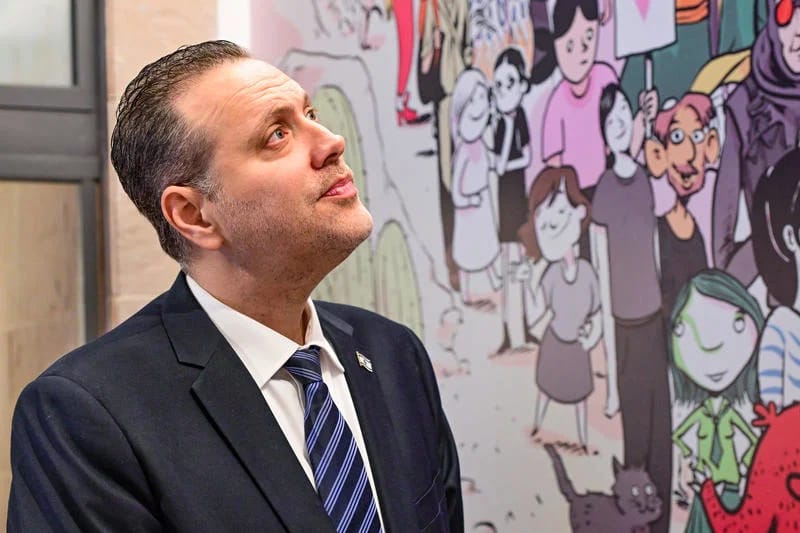
Israeli Culture Minister Miki Zohar delivered a sharp rebuke to Trump earlier this week, declaring that Israel possessed the military capability to "erase Iran from the face of the earth" but chose restraint out of respect for its alliance with the United States. The comment, made during a Channel 14 interview, reflected growing frustration in Jerusalem over what Israeli officials view as a betrayal of core security interests.

Technical Negotiations Ahead
Despite the scheduled signing, significant elements of the agreement remain unresolved. Vice President Vance confirmed in a CNN interview that "a number of issues" will require resolution during a subsequent technical negotiation phase, including verification mechanisms, enrichment limits, and the sequencing of sanctions relief.
President Trump, speaking to reporters at the G7 summit in Evian, France, projected confidence that the technical phase would proceed more smoothly than the contentious preliminary talks. "The next phase will be easier," Trump declared, dismissing concerns about the deal's viability.
The optimism stands in stark contrast to the intelligence assessments that prompted internal opposition. According to Axios, CIA Director Ratcliffe warned Trump that intercepted Iranian communications showed officials discussing the agreement in ways inconsistent with what they were telling American negotiators, a classic indicator of bad faith.
The Friday signing will formalize the framework, but the real test will come in the months ahead as negotiators attempt to translate broad principles into enforceable commitments. For Israel, watching from the sidelines without access to the full text, the uncertainty is compounded by the knowledge that its most critical security concerns may have been subordinated to Washington's diplomatic ambitions.
Further updates to follow.