Emerging Framework

America's $300 Billion Gift to Iran: The Deal Trump Is Leaning Toward

Draft framework includes massive international investment fund for Tehran • Nuclear issue postponed to second phase • Disputes remain over Hormuz Strait timeline | Trump reportedly inclined to sign (World News)

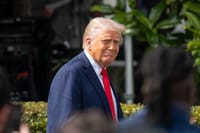
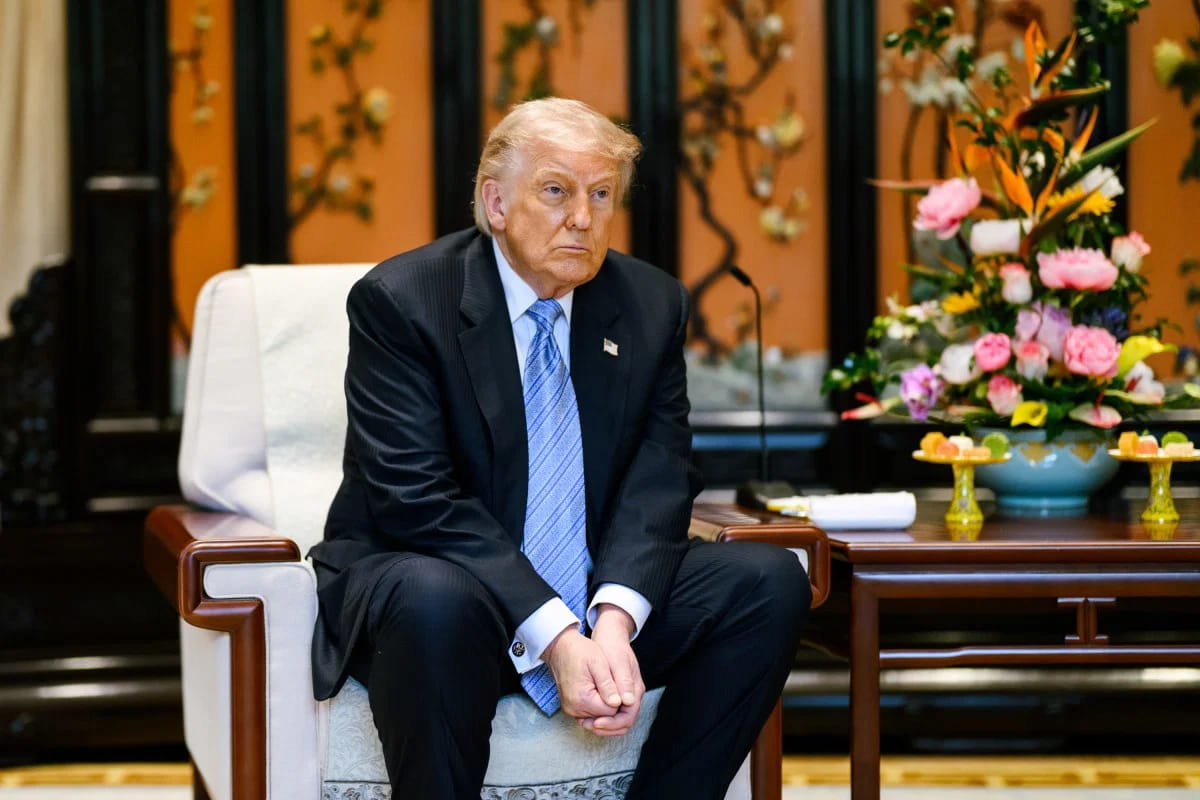
US President Donald Trump
US President Donald Trump (Photo: The White House)

The United States and Iran have made significant progress overnight in drafting a preliminary framework agreement, with President Donald Trump reportedly leaning toward approving the deal as of Thursday afternoon, according to a report by Axios.

The emerging framework, which awaits Trump's final authorization, represents a dramatic shift in American policy toward the Islamic Republic. According to the New York Times, the memorandum of understanding includes a surprising provision for an international investment fund totaling $300 billion to support Iran, contingent upon the signing of a final comprehensive agreement.

The staggering sum corresponds to the amount Iranian officials demanded as compensation for damages sustained during Operation "Mighty Wrath" bombings. Senior Iranian officials have characterized the initiative as a "reconstruction program" for bombing damages, while mediators note the proposal originated from emissaries of the President, including Jared Kushner. As part of this framework, Tehran has offered to permit American energy companies to invest within its territory.
Hormuz Strait: The Central Sticking Point

Navigation through the Strait of Hormuz has emerged as a primary point of contention between the negotiating parties. While both sides agree on reopening the critical waterway, they remain divided on timelines and conditions for implementation.

Washington demands immediate opening of the strait with gradual removal of the American naval blockade corresponding to the pace of mine clearance operations. Iran, conversely, insists on complete removal of the blockade within one month and seeks authority to collect future service fees from vessels transiting the passage. Iranian media outlets reported that the draft framework grants Tehran the right to levy transit fees on shipping traffic.

The framework also addresses cessation of hostilities throughout the negotiation period, including the suspension of fighting in Lebanon. A phased release of frozen Iranian assets abroad, valued at billions of dollars, is under consideration, with the Trump administration working to channel financial transfers through intermediary nations such as Qatar to avoid direct cash payments.

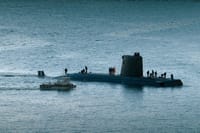
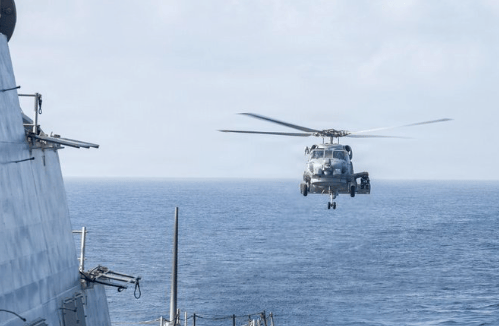
An MH-60R Sea Hawk helicopter approaches USS Delbert D. Black (DDG 119) after patrolling the Arabian Sea in support of the U.S. blockade against Iran.
An MH-60R Sea Hawk helicopter approaches USS Delbert D. Black (DDG 119) after patrolling the Arabian Sea in support of the U.S. blockade against Iran. (Photo: CENTCOM)

Nuclear Issue Postponed to Phase Two

The current draft notably defers the Iranian nuclear program to a second phase of discussions, where negotiators will address the fate of Tehran's enriched uranium stockpile. The preliminary framework stipulates that Iran will suspend its nuclear program in exchange for an American commitment not to intensify existing sanctions during the negotiation process.

Additional reports indicate that the United States has agreed to release an initial sum of $12 billion upon signing the preliminary agreement in the coming days, while Iran demands an additional $12 billion. This immediate financial relief has raised concerns among Israeli officials about Iran's commitment to substantive nuclear concessions.

The framework represents what some analysts describe as a return to the Obama-era approach of managing rather than eliminating Iran's nuclear capabilities. As veteran Israeli Arabist Zvi Yehezkeli noted, the deal mirrors the 2015 JCPOA by prioritizing temporary quiet over permanent solutions, effectively isolating Israel in confronting the Iranian threat.

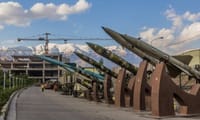
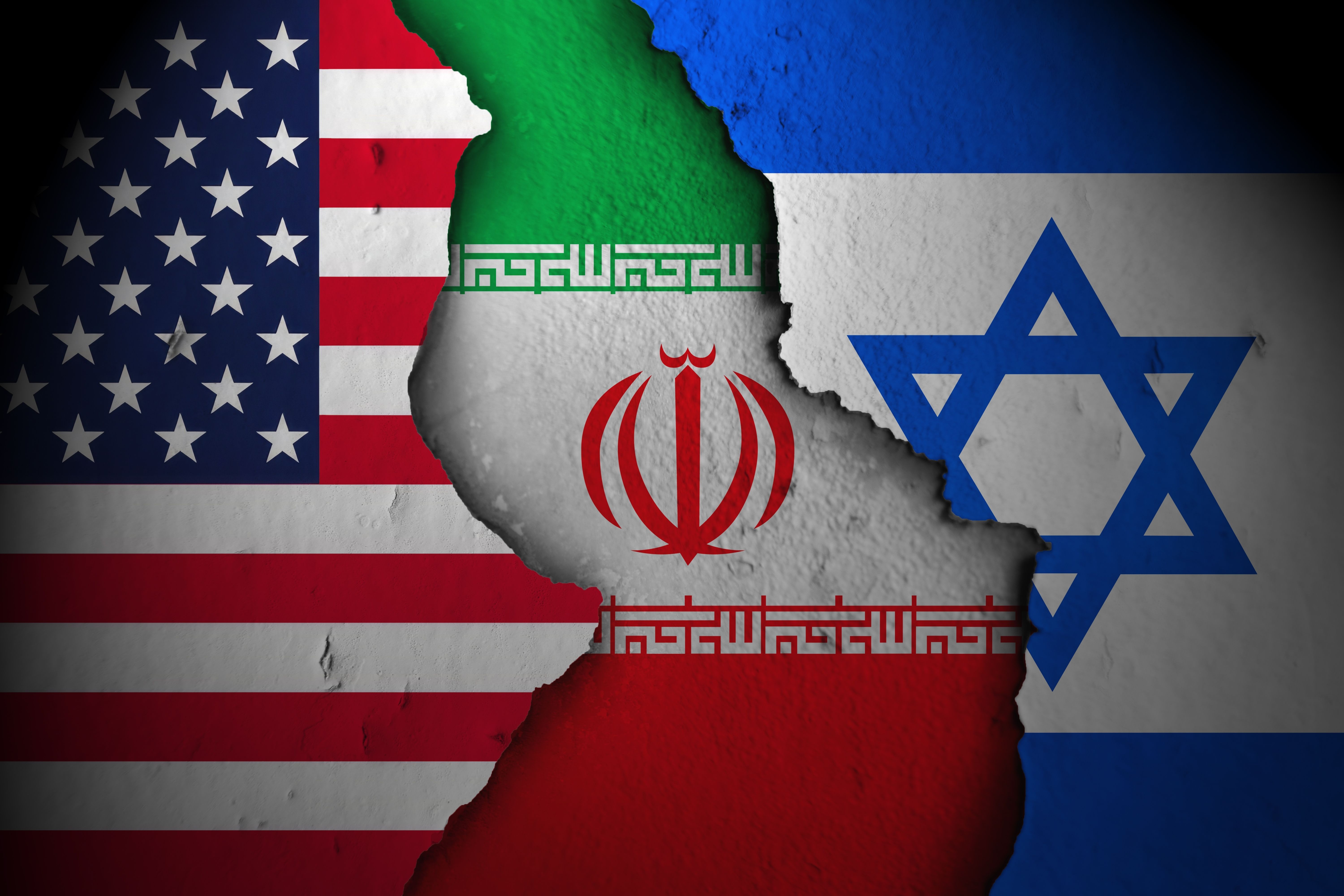
Iran between USA and Israel
Iran between USA and Israel (Photo: Shutterstock / hapelinium)

Israel's Exclusion from Negotiations

Jerusalem finds itself in an uncomfortable position, having been central to the conflict with Iran but largely excluded from the diplomatic process shaping its outcome. Prime Minister Benjamin Netanyahu stated Sunday that he spoke with Trump the previous evening, with both leaders agreeing that "any final agreement with Iran must eliminate the nuclear danger" - meaning dismantlement of enrichment sites and removal of highly enriched uranium from Iranian soil.

The carefully worded statement reflected Israel's attempt to influence a process it did not shape. Behind Netanyahu's supportive tone lies deep unease among Israeli officials, who recognize that the gap between Israel's centrality to the conflict and its near-total exclusion from negotiations has left the nation vulnerable to an agreement that may not address its existential security concerns.

As the framework moves toward finalization, the question remains whether Trump will ultimately approve a deal that provides Iran with massive economic relief while postponing resolution of the nuclear issue that sparked the conflict. For Israel, the stakes could not be higher - and the outcome remains largely beyond its control.

Ready for more?

Join our newsletter to receive updates on new articles and exclusive content.

We respect your privacy and will never share your information.