Bizarre and concerning
Trump Signals Iran May Be Allowed to Keep Enriching Uranium, Reversing Core Red Line
•news-world


Understanding the production, applications, and international concerns surrounding enriched uranium in nuclear energy, weapons programs, and global nonproliferation efforts
Enriched uranium is uranium in which the percentage of the isotope uranium-235 (U-235) has been increased through a process called isotopic separation. Natural uranium contains approximately 0.7% U-235, while the remainder is primarily uranium-238 (U-238). Through enrichment, the concentration of U-235 can be increased to levels suitable for various applications, ranging from nuclear power generation to medical isotope production and, at higher concentrations, nuclear weapons. The enrichment process and the resulting material remain central to discussions about nuclear energy, national security, and international nonproliferation efforts.
The level of enrichment determines the potential applications and security concerns associated with enriched uranium. Low-enriched uranium (LEU), containing less than 20% U-235, is commonly used in commercial nuclear power reactors and research facilities. Highly enriched uranium (HEU), containing 20% or more U-235, has applications in certain research reactors, naval propulsion systems, and medical isotope production. Weapons-grade uranium typically contains 90% or more U-235 and represents the highest proliferation risk. International regulatory bodies, including the International Atomic Energy Agency (IAEA), closely monitor enrichment activities worldwide to prevent the diversion of nuclear material for weapons purposes.
The production of enriched uranium involves sophisticated technological processes, with gas centrifugation being the most widely used method today. In this process, uranium hexafluoride gas is spun at high speeds in cascades of centrifuges, gradually separating the lighter U-235 isotopes from the heavier U-238. Other historical methods include gaseous diffusion and electromagnetic separation, though these are less efficient and largely obsolete. The technical complexity and infrastructure required for uranium enrichment make it a significant barrier to nuclear weapons proliferation, though concerns persist about states developing indigenous enrichment capabilities.
Global uranium enrichment capacity is concentrated in a handful of countries, including Russia, the United States, France, China, and several others with civilian nuclear programs. The nuclear fuel cycle, from uranium mining through enrichment to reactor use and waste disposal, involves multiple stages where enriched uranium plays a crucial role. Commercial nuclear power plants typically use uranium enriched to 3-5% U-235, providing a reliable source of low-carbon electricity. The demand for enriched uranium correlates directly with the global nuclear energy sector, which continues to evolve amid climate change concerns and energy security considerations.
International treaties and agreements govern the production, transfer, and use of enriched uranium to prevent nuclear weapons proliferation. The Treaty on the Non-Proliferation of Nuclear Weapons (NPT) establishes a framework distinguishing between peaceful nuclear activities and weapons development. Countries with enrichment programs face scrutiny regarding their intentions, particularly when enrichment levels approach or exceed those needed for weapons. Diplomatic tensions frequently arise when nations expand enrichment capabilities, as the same technology that produces reactor fuel can potentially be used to create weapons-grade material.
Security concerns surrounding enriched uranium extend beyond state actors to include the risk of nuclear terrorism. HEU represents a particular concern because relatively small quantities could potentially be used to construct an improvised nuclear device. International efforts to reduce global stockpiles of HEU, convert research reactors to use LEU fuel, and strengthen physical protection measures at facilities handling enriched uranium remain ongoing priorities. Programs such as the Global Threat Reduction Initiative work to minimize and, where possible, eliminate the use of HEU in civilian applications.
The future of enriched uranium production and use continues to evolve with technological advances and changing geopolitical dynamics. Developments in advanced reactor designs, including small modular reactors and Generation IV concepts, may alter enrichment requirements and fuel cycle approaches. Simultaneously, concerns about nuclear proliferation, environmental impacts, and long-term waste management shape policy decisions regarding enrichment programs worldwide. Understanding enriched uranium's technical characteristics, applications, and security implications remains essential for informed discussion of nuclear energy policy and international security matters.
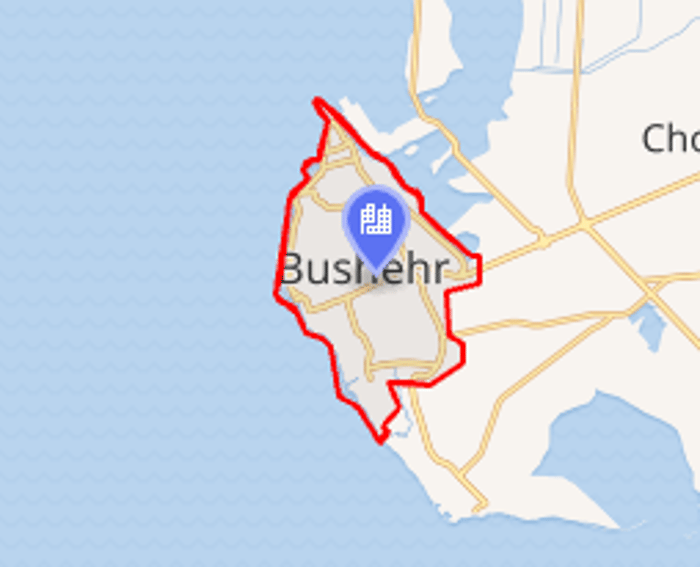
Nuclear experts warn that Iran's Bushehr power station holds enough plutonium for over 200 nuclear weapons, with weak IAEA oversight creating proliferation risks."
Bizarre and concerning

The Strategic Trap

Key terms
Way too dangerous

180 degrees

Iran has 24 hours

Emerging Framework

Nearly there
Condition of Nuclear Deal
Circular

Tinderbox about to blow