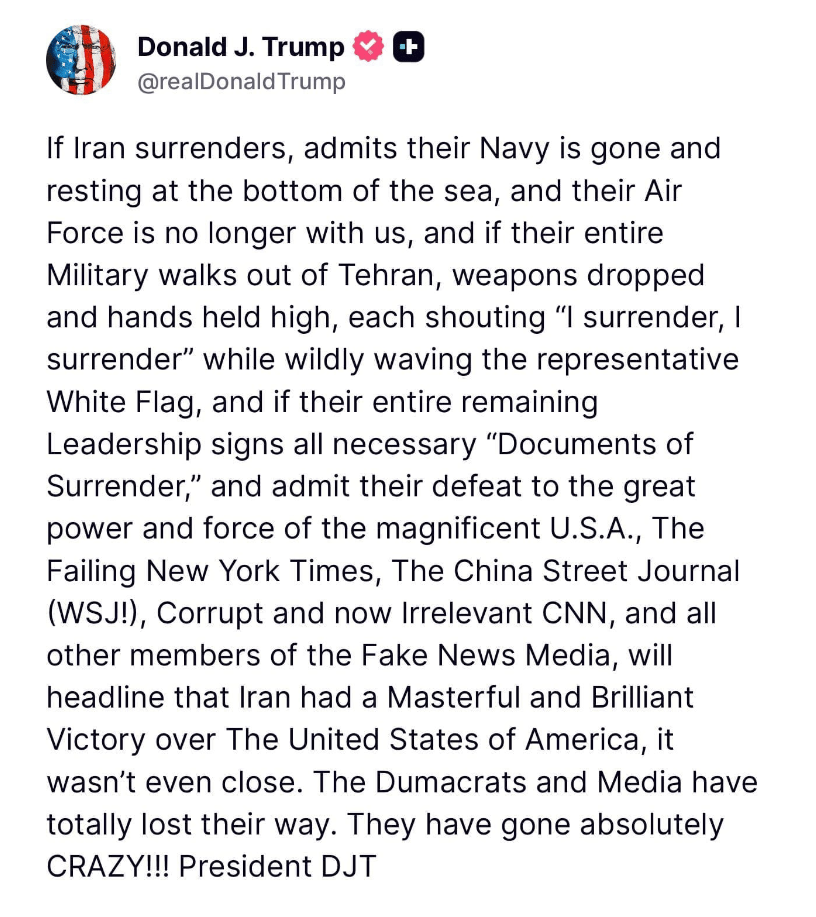

The ceasefire holding Iran and the United States apart may have days left. Two Middle Eastern officials told the New York Times that Washington and Jerusalem are now engaged in their most intense preparations for a return to combat since the guns fell silent in early April and that fighting could resume before the week is out.
The U.S. and Israel are preparing for joint attacks on Iran to resume as soon as this week, according to the Times report, which cited two Middle East officials who wished to remain anonymous. The officials described "intense preparations" for a potential resumption of hostilities, calling them the most significant since the Pakistani-brokered ceasefire was established.
What the Options Look Like
The preparations are not vague. According to U.S. officials cited by the Times, options for renewed operations include launching a more intense bombing campaign against military and infrastructure sites; seizing Iran's key oil export hub of Kharg Island in the Persian Gulf; and inserting commandos onto the Iranian mainland to extract nuclear material buried under the rubble of destroyed facilities.
The scale of assets being positioned reflects how seriously planners are treating the possibility. Bloomberg reported that U.S. Central Command has requested the long-delayed Dark Eagle hypersonic missile be sent to the Middle East for potential use against Iran, which would mark the first time Washington deployed the technology in combat. The request came after Iran shifted its missile launchers out of range of the Army's existing Precision Strike Missile system.
"We'll Know More in 24 Hours"
One official cited by the Times said: "We're preparing for days to weeks of fighting and waiting for Trump's final decision. We'll know more in 24 hours." It was unclear why the official cited that specific window.
The urgency extends to the highest levels of both governments. On May 17, Trump warned that Iran faces a pressing timeline, stating that "there won't be anything left of them" if actions are not taken soon. The following day, Axios reported that Trump is set to meet with national security advisors on May 19 to discuss potential military action.
Defense Secretary Pete Hegseth told lawmakers this week that the U.S. "has a plan to escalate, if necessary, we have a plan to retrograde, if necessary, and we have a plan to shift assets."
According to the report, the operational coordination and the massive surge in readiness across both nations' air, naval, and intelligence branches point to a very high probability that the tense calm will collapse. Officials speaking with the publication estimated that a full resumption of military strikes could occur as early as this week, with Friday identified as the most likely flashpoint.
The Diplomatic Collapse
The military buildup is a direct consequence of negotiations that have gone nowhere. Pakistani-mediated talks, supported by China, have failed to secure a settlement between the U.S. and Iran. The talks have faltered over two core issues: Iran's nuclear program and post-war control of the Strait of Hormuz.
Trump said on Friday that Iran has refused to acknowledge multiple deals already agreed to, while signaling a possible shift in his position, saying he would accept a 20-year suspension of Iran's uranium enrichment program if Tehran gave a "real" guarantee, stepping back from his earlier demand for a permanent halt.
Iran, for its part, is not standing still. Tehran is suspected of being behind a hack of systems that monitor fuel levels at gas stations across several U.S. states, an apparent act of economic disruption. U.S. officials said the hackers exploited online systems that lacked password protection and manipulated display readings without causing physical damage to the actual fuel supplies.
Israel on High Alert
Israel is on heightened alert and ramping up its own preparations. Israeli officials held a series of intensive consultations amid what they described as growing momentum toward a decision in Washington. Cabinet ministers briefed in recent days assessed that the U.S. may need to apply additional pressure, and that negotiations could collapse as early as the start of next week.
Israeli Defense Minister Israel Katz warned that while Israel supports U.S. diplomatic efforts, it may "soon be required to act again."
The ceasefire that Pakistan brokered on April 8, welcomed at the time as a fragile but real pause in a devastating conflict, is now hanging by a thread. Both sides are armed, positioned, and waiting. The next move, officials say, belongs to Trump.