Israel's security establishment is bracing for what some officials are calling its most serious Judea and Samaria threat since October 7, 2023. Intelligence warnings are mounting, Iranian and Turkish money is flowing, and 22 IDF battalions are stretched thin across hundreds of kilometers of volatile terrain.
According to a report first published by Israeli journalist Amir Bukhbut on Walla, classified Hamas documents seized by security forces in Judea and Samaria over the past two years reveal unambiguous operational intentions: the terror group has drawn up detailed plans for armed raids and mass assaults on Israeli settlements, a potential replay of the October 7 massacre, this time in the heart of Judea and Samaria.
Stretched Thin on a Long Line
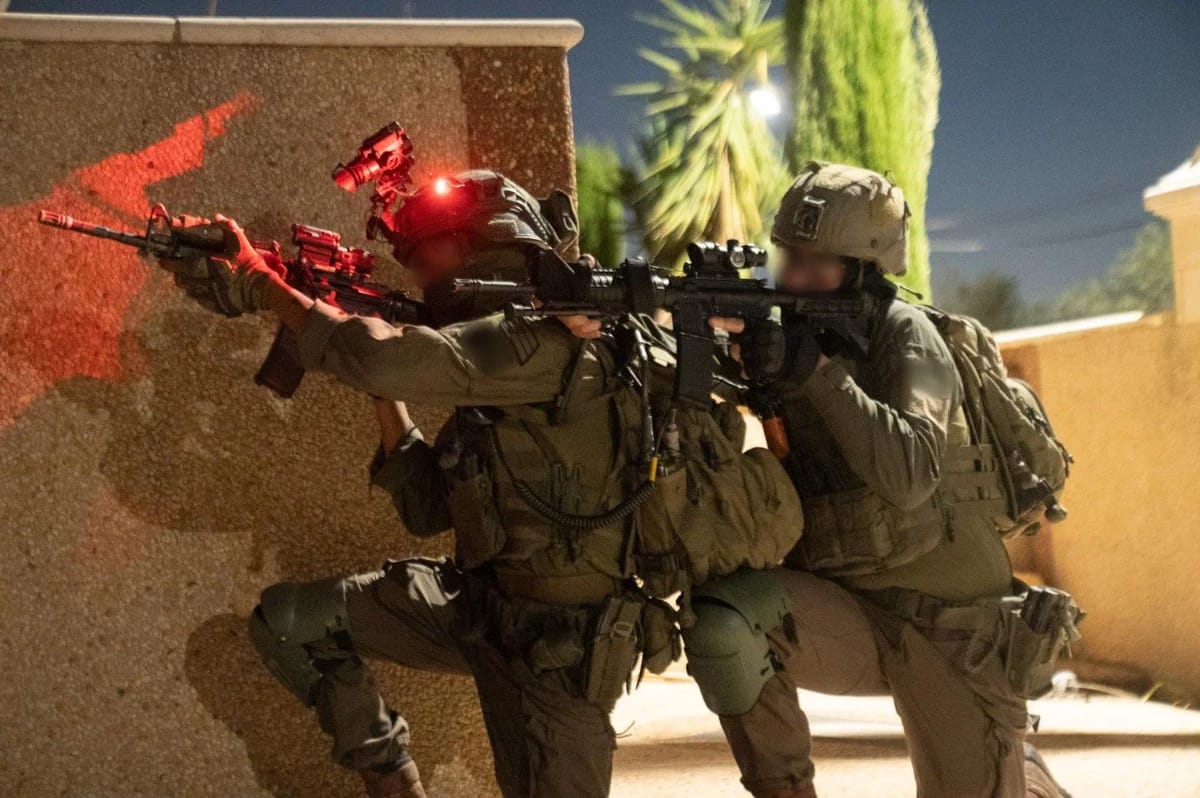
The numbers tell a story of strain. The IDF's Judea and Samaria Division, under Brigadier General Kobi Heller, currently has 22 battalions deployed to secure 525 kilometers of seam line, 60 of which have no fence at all. Officers describe the operational load as exceptional, and the wear on forces as deep.
The pressure is compounding. As Israeli settlement activity expands across the Jordan Valley and surrounding areas, friction with the local Palestinian population is increasing, and security officials say incidents of nationalist violence on both sides are trending upward in ways that are difficult to contain.
Iran, Turkey, and the Money Trail
Senior military officials are pointing to a familiar combination of external actors as the engine behind the current escalation. Iran and Turkey, they say, are serving as an uninterrupted source of funding for local terror infrastructure, applying pressure from afar, including remotely from the Gaza Strip, on armed networks to carry out suicide attacks, shootings, and explosive device attacks in the immediate term.
The arms smuggling picture reinforces the concern. Security forces are engaged in a relentless crackdown on weapons flowing in from Jordan and the black market is reflecting the effort. The street price of a Glock pistol has surged to 40,000 shekels, a record high that officials say signals both the success of interdiction efforts and the rising demand from terror groups trying to arm their operatives.
The Fatah Conference Shadow
Layered on top of all this is the political dimension. Israel's security establishment is watching closely the fallout from the recent Fatah conference, at which Palestinian Authority Chairman Mahmoud Abbas delivered a speech harshly condemning IDF operations in Gaza, Lebanon, and Judea and Samaria, and attacking Israeli settlement expansion and land expropriation laws.
Abbas declared that no international activity in Gaza would be permitted without PA involvement, and warned of a deepening financial crisis stemming from the prisoner payments issue. In a move that surprised observers, he chose not to name a successor or signal a transition, but he did call for integrating younger generations under the PLO umbrella and proclaimed the principle of "one law, one army, one weapon."
A senior Israeli security official assessed that the weeks ahead will see the street respond to the conference, with the primary fear being a violent awakening among the armed Tanzim factions.
"We Don't Wait for the Terrorists"
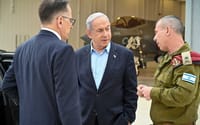
IDF Chief of Staff Lieutenant Eyal Zamir recently conducted a situation assessment at the Judea and Samaria Division. His message was direct: "We don't wait for the terrorists, we reach them everywhere."
The visit came as cabinet ministers sharpened their own rhetoric. Former Shin Bet chief and current minister Avi Dichter said at a security cabinet meeting that "all the Palestinian Authority's performances will not help, Abbas himself said the PA will continue paying terrorists' families down to the last shekel." Minister Orit Strook invoked the Book of Esther, telling Prime Minister Netanyahu that just as Mordecai had to convince King Ahasuerus that Haman was a narrow and dangerous enemy, "Netanyahu needs to convince President Trump that Abu Mazen is a narrow and dangerous enemy."
The Pay-for-Slay Backdrop
The warnings come against a backdrop of continued Palestinian Authority payments to imprisoned terrorists and their families. According to figures cited in the report, the PA transferred approximately half a billion shekels in the past year under what critics call its pay-for-slay mechanism, 395 million shekels to terrorists currently in prison, and 92 million shekels to the families of terrorists killed while carrying out attacks. Terrorists released in recent hostage deals received an additional special bonus payment from the Authority.
Israel's security establishment says the current situation demands maximum vigilance and sustained operational activity. Counterterrorism operations are continuing at high intensity, with IDF forces working around the clock to prevent the nightmare scenarios Hamas has already committed to paper.