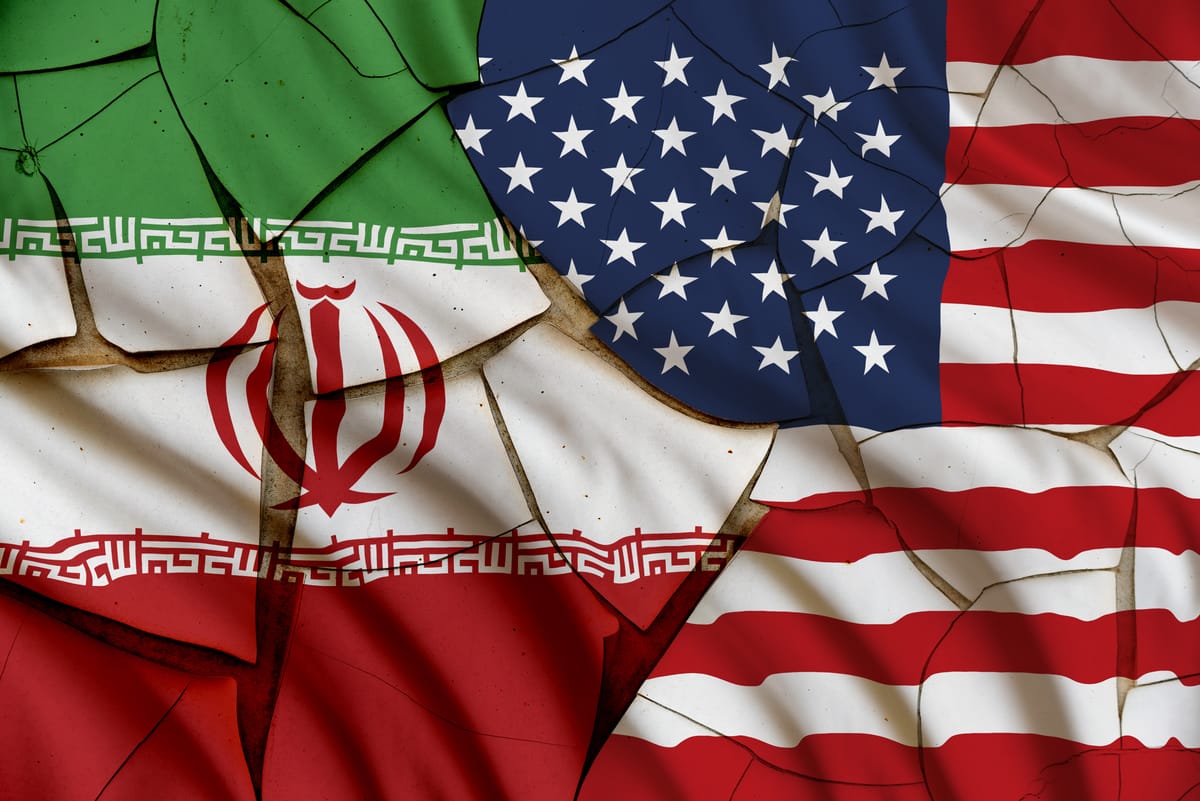
Pakistan has passed a revised Iranian proposal to the United States aimed at ending the war in the Middle East, a Pakistani source told Reuters on Sunday, as talks between Washington and Tehran remain stalled.
The source said time was running short to close the gaps between the sides.
“We don’t have much time,” the source said, adding that both the United States and Iran “keep changing their goalposts.”
Iranian Foreign Ministry Spokesperson Esmaeil Baghaei confirmed the development, stating that both Iran and the U.S. have "sent their comments regarding the latest Iranian proposal" and affirming that "talks through Pakistani mediation are ongoing." Additionally, Baghaei noted that technical teams from Iran and Oman have met to coordinate issues regarding the Strait of Hormuz.
Nuclear Enrichment Off the Table
Despite the diplomatic movement, Tehran has established a firm boundary regarding its nuclear program. Baghaei explicitly clarified that the Iranian regime is unwilling to negotiate on its uranium enrichment capabilities.
"We take Iranian principles seriously in the negotiation process and our right to enrich uranium will not be raised in the negotiations," Baghaei asserted. "We do not need recognition from any party regarding this right."
The spokesperson outlined Iran's core demands for the talks, which center on economic relief and the unfreezing of funds. "Our demands are clear, the release of all frozen Iranian assets, and the same applies to the removal of sanctions," he said, adding that Iran would not yield to "any threat or economic pressure" and would respond to "any mistake by the other side."
When questioned about the recent strike on a nuclear facility in the United Arab Emirates, Baghaei distanced Tehran from regional hostility while pointing the blame at the American military presence.
"We have no hostility toward any country in the region, including the UAE. We are neighbors and Tehran strives for peace," Baghaei stated. He criticized regional U.S. allies, declaring, "It is the American presence that places the region in constant danger, and we have criticism toward countries that place their lands and airspace at the disposal of the aggressors."
The proposal comes after days of growing uncertainty over the future of the ceasefire. US President Donald Trump has repeatedly said that Iran’s previous response was unacceptable and warned that renewed American strikes remain possible if Tehran does not agree to terms that significantly limit its nuclear program and reopen the Strait of Hormuz.
Pakistan has played a central mediating role in the talks, hosting and transmitting messages between the sides. But the process has been complicated by mistrust, competing timelines and the wider military situation. The United States has maintained a blockade of Iranian ports, while Iran has continued to restrict movement through the Strait of Hormuz, a major global energy route.
Trump met Chinese President Xi Jinping in Beijing last week, with both leaders agreeing that the Strait of Hormuz must remain open to support the free flow of energy. Washington has also been pressing Beijing, a major buyer of Iranian oil, to use its influence with Tehran.
The revised Iranian proposal was shared as US officials continue to weigh whether diplomacy can still prevent a return to major combat. The Pentagon has reportedly considered a new operation name, “Operation Sledgehammer,” if Trump orders renewed strikes, following the conclusion of Operation Epic Fury.
Israeli officials are also watching the talks closely. Security officials have said that a US-Iran deal could affect Israel’s timing in other arenas, including Gaza and Lebanon, while renewed fighting with Iran could delay operations elsewhere.