Lebanese President Joseph Aoun defended continuing direct talks with Israel, saying it is his responsibility to seek the lowest-cost path to ending Israeli military operations in Lebanon.
Speaking to local agricultural union leaders, Aoun said Lebanon’s negotiating framework remains limited to five issues: Israeli withdrawal, the ceasefire, deployment of the Lebanese army along the border, the return of displaced residents, and economic or financial assistance to Lebanon.
“Anything else being discussed otherwise is incorrect,” Aoun said, according to his office.
Aoun said the Lebanese state must pursue every possible avenue to stop the fighting and protect the country from further damage.
“It is my duty, and stemming from my position and responsibility, to do the impossible and whatever costs the least to stop the war against Lebanon and its people,” he said.
He warned that Lebanon cannot afford another extended war, citing the country’s past experience with conflict and its long-term consequences.
“We have experienced wars and where they have led Lebanon, so is there anyone who can bear their cost afterward?” Aoun said.
His remarks come after the United States announced last week that Israel and Lebanon had agreed to extend their ceasefire by 45 days following two days of US-mediated talks in Washington.
The talks are set to continue on two tracks. Military delegations from Israel and Lebanon are expected to meet at the Pentagon on May 29, while political negotiations are scheduled to resume on June 2 and 3.
The State Department said both sides had agreed to a framework based on recognition of each other’s sovereignty and territorial integrity, and on establishing security along the shared border.
The US has also emphasized that Hezbollah operates without the consent of the Lebanese government and remains a central threat to long-term stability.
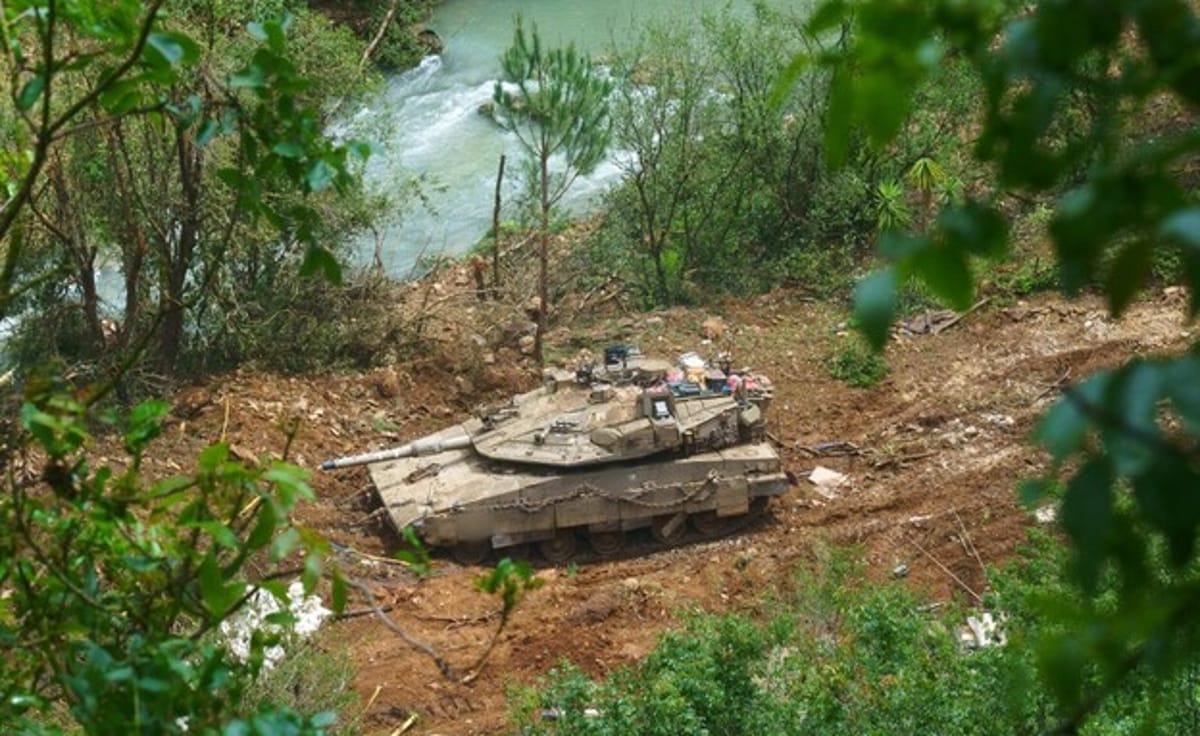
Israel has continued to strike Hezbollah targets during the ceasefire, citing repeated violations by the terrorist organization and efforts to rebuild its military capabilities in southern Lebanon. The IDF has also been preparing for the possibility of expanded ground operations if the political echelon orders them.