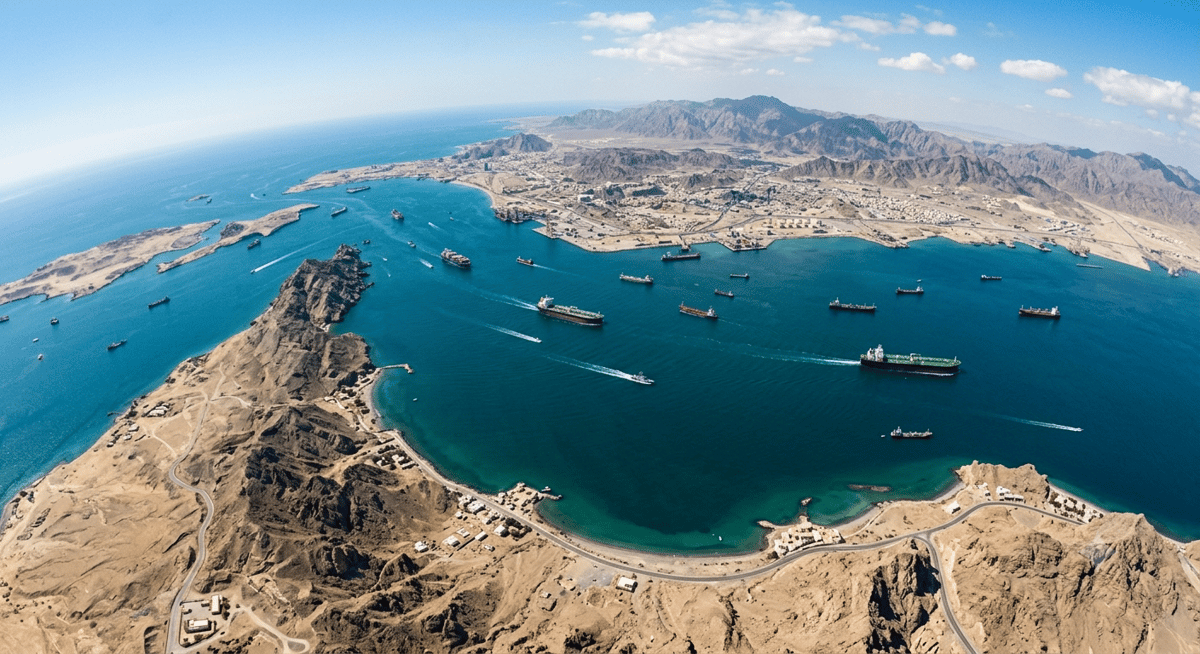
The U.S. Treasury's Office of Foreign Assets Control on Thursday sanctioned 17 more tankers in Iran's shadow fleet, the network that moves the regime's oil to foreign buyers. The department said the action "effectively neutralizes the vast majority" of what remains of the fleet, without saying how many vessels are still operating.
The shadow fleet ships Iranian oil and petroleum products abroad and earns the regime billions of dollars. To avoid detection, its tankers rely on false flags, front companies, forged paperwork and manipulated transponders.
The newly designated ships fly a wide range of flags, from the Bahamas and Panama to Hong Kong, Mongolia and Zanzibar, along with Cameroon, Comoros, Gambia, Palau, San Marino, Sierra Leone and Vanuatu. Their owners and managers are spread across more than a dozen jurisdictions. Their cargoes included crude oil, naphtha, LPG, fuel oil, bitumen, methanol and ammonia, delivered to customers in South and East Asia.
Eighteen companies were also designated for operating in Iran's petroleum or petrochemical sectors, JNS reported.
Treasury Secretary Scott Bessent cast the measures as a bid to cut off the money Tehran spends on conflict across the Middle East. The federal government "is starving the tyrannical regime in Tehran of the money it uses to wage war in the region, and we will continue exposing those who enable the regime's oil sales," Bessent said.
"No enabler of Iranian sanctions evasion is safe from the full force of Treasury's authorities." — Scott Bessent
Two container ships, HAKUNA MATATA and PINOCCHIO, came off the sanctions list. Both left the shadow fleet and were sold to non-sanctioned operators.
Thursday's designations are the latest of several rounds against the fleet under what Treasury calls "Operation Economic Outcast." The campaign rests on secondary sanctions, which expose anyone who does business with a designated person or company to penalties.